








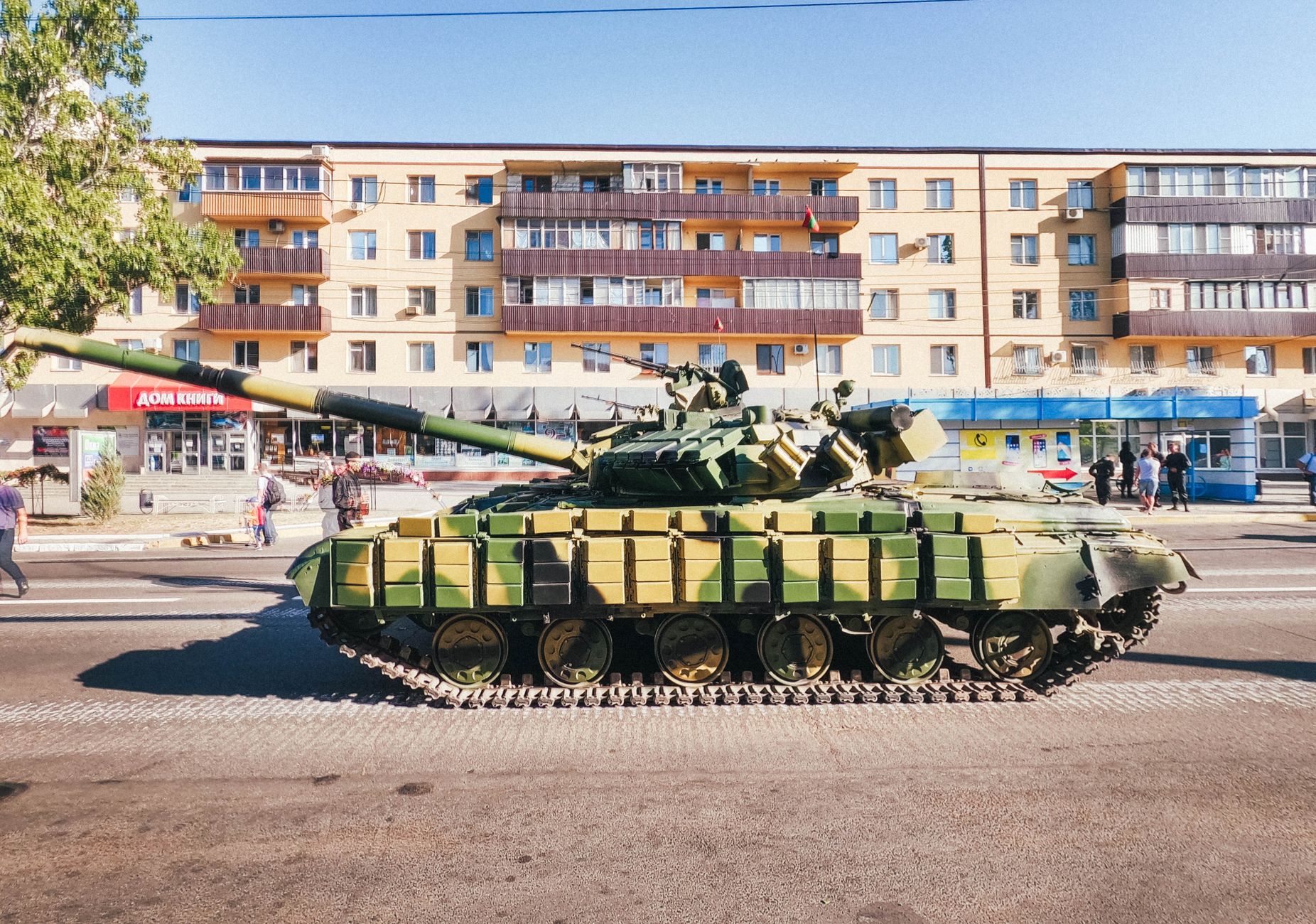
Trump military complex is now a reality in D.C., complicating the political landscape and security measures. This shift raises questions about governance and safety.
What is the Trump military complex?
The term Trump military complex refers to the significant intertwining of military interests and commercial enterprises that emerged during Donald Trump’s presidency. This phenomenon has raised concerns among policymakers and analysts regarding its implications for governance and national security.
At its core, the Trump military complex represents a shift in how military power and defense contracting are perceived and managed. Key elements include:
- Increased Defense Spending: Under Trump, defense budgets saw substantial increases, often favoring private contractors.
- Privatization of Military Operations: The reliance on private military contractors has raised questions about accountability and oversight.
- Lobbying Influence: Defense firms have significantly increased their lobbying efforts, influencing policy decisions.
- National Security Risks: The close ties between military and business interests could lead to conflicts of interest and compromised national security.
Understanding the intricacies of the Trump military complex is essential as it shapes future policy decisions and international relations.
Implications for D.C. governance
The emergence of the Trump military complex raises significant implications for governance in Washington, D.C. As military and defense interests intertwine with political agendas, several challenges are becoming apparent.
- Influence on Policy: The Trump military complex is likely to shift the focus of legislative priorities, as defense contractors may gain more influence over policy decisions.
- Budgeting Conflicts: With increased military spending, funding for essential social programs could face cuts, leading to potential backlash from constituents.
- Partisan Divides: The complex may exacerbate existing partisan divisions, as Democrats and Republicans clash over defense spending and military involvement in domestic issues.
- Public Perception: The intertwining of military interests with political power can lead to public skepticism about the motivations behind government actions, potentially undermining trust in D.C. governance.
As these implications unfold, the long-term effects on U.S. policy and public trust remain uncertain, necessitating careful scrutiny by both lawmakers and citizens.
Security concerns in the new landscape
The emergence of the Trump military complex poses significant security concerns in today’s evolving landscape. As military influence intertwines with political power, the implications for national security are manifold. Key issues have arisen, including:
- Increased militarization of civilian institutions, which may blur the lines between military and civilian governance.
- Heightened scrutiny of military operations within domestic borders, raising questions about civil liberties and oversight.
- Potential conflicts of interest as military leaders may align closely with political agendas, compromising their impartiality.
- Resource allocation concerns, particularly regarding funding for essential services versus military expenditures.
As the Trump military complex solidifies its presence, the challenge lies in balancing security needs with the preservation of democratic principles. Navigating this new terrain will require vigilance from both policymakers and citizens, ensuring that the military remains a force for good without undermining the foundations of democracy.
Public response to the military presence
The public response to the military presence in Washington, D.C. has been mixed, with significant debate surrounding the implications of the Trump military complex. Some residents express concern over the increased military visibility, fearing it may lead to a permanent state of heightened security.
Others believe that the military presence is essential for maintaining order and protecting the nation’s capital. Local businesses have reported changes in foot traffic, with some seeing a decline due to perceived instability, while others have benefitted from increased government contracts related to security services.
Community forums have emerged, providing a platform for residents to voice their opinions. The discussions often highlight:
- Concerns about civil liberties and the potential for overreach.
- Economic impacts on small businesses surrounding military installations.
- Perceptions of safety and how they vary among different demographics.
As this complex evolves, it is clear that the public sentiment will play a crucial role in shaping future policies.
Historical context of military complexes
The evolution of military complexes in the United States has been shaped by a multitude of factors, including political decisions, economic interests, and social dynamics. The Trump military complex, emerging prominently during his presidency, has historical roots that date back to significant conflicts and military engagements throughout American history.
Key points in this historical context include:
- World War II: The post-war era marked the beginning of extensive military expansion and the establishment of permanent bases around the globe.
- The Cold War: Heightened tensions led to the growth of military-industrial partnerships, influencing government policy and funding.
- 9/11 and the War on Terror: The response to terrorism resulted in a significant increase in military presence within the U.S., setting a precedent for future administrations.
As the Trump military complex takes shape, it reflects these historical trends while also introducing new complexities that challenge existing governance and security frameworks.
Analysis of political ramifications
The emergence of the Trump military complex has profound political ramifications that extend beyond the immediate landscape of Washington, D.C. The intertwining of military presence and governance raises questions about the balance of power and the implications for democratic processes. As the military becomes more entrenched in the capital, concerns arise over the potential for increased political influence by military leaders, which could overshadow civilian oversight.
Moreover, the Trump military complex complicates alliances within Congress, as legislators grapple with the shifting dynamics of power. Lawmakers may face pressure to align with military interests, which could lead to partisan divisions on national security policies. The potential for heightened scrutiny of military funding and accountability also looms large, as constituents demand transparency in how military resources are allocated.
Ultimately, the intersection of military and political spheres under the Trump administration signals a transformative era for governance in D.C., one that may redefine the relationship between elected officials and military command.
Future outlook for D.C.
The future outlook for D.C. appears increasingly complex as the implications of the Trump military complex unfold. Analysts suggest that the intertwining of military presence with political governance may lead to significant challenges in the coming years. The military’s role in the nation’s capital is expected to evolve, raising questions about democratic accountability and civil-military relations.
Key factors influencing this outlook include:
- Political polarization: The current political climate may exacerbate tensions surrounding military involvement in governance.
- Legislative changes: Adjustments to military funding and oversight could reshape the operational framework of the Trump military complex.
- Public sentiment: Growing skepticism about military influence in politics could lead to increased activism and calls for reform.
- National security assessments: Ongoing evaluations of threats may further dictate the military’s presence and role in D.C.
Ultimately, the trajectory of this complex will depend on the interplay of these factors and the responses of both policymakers and citizens.
Photo by Anna Dub on Pexels