








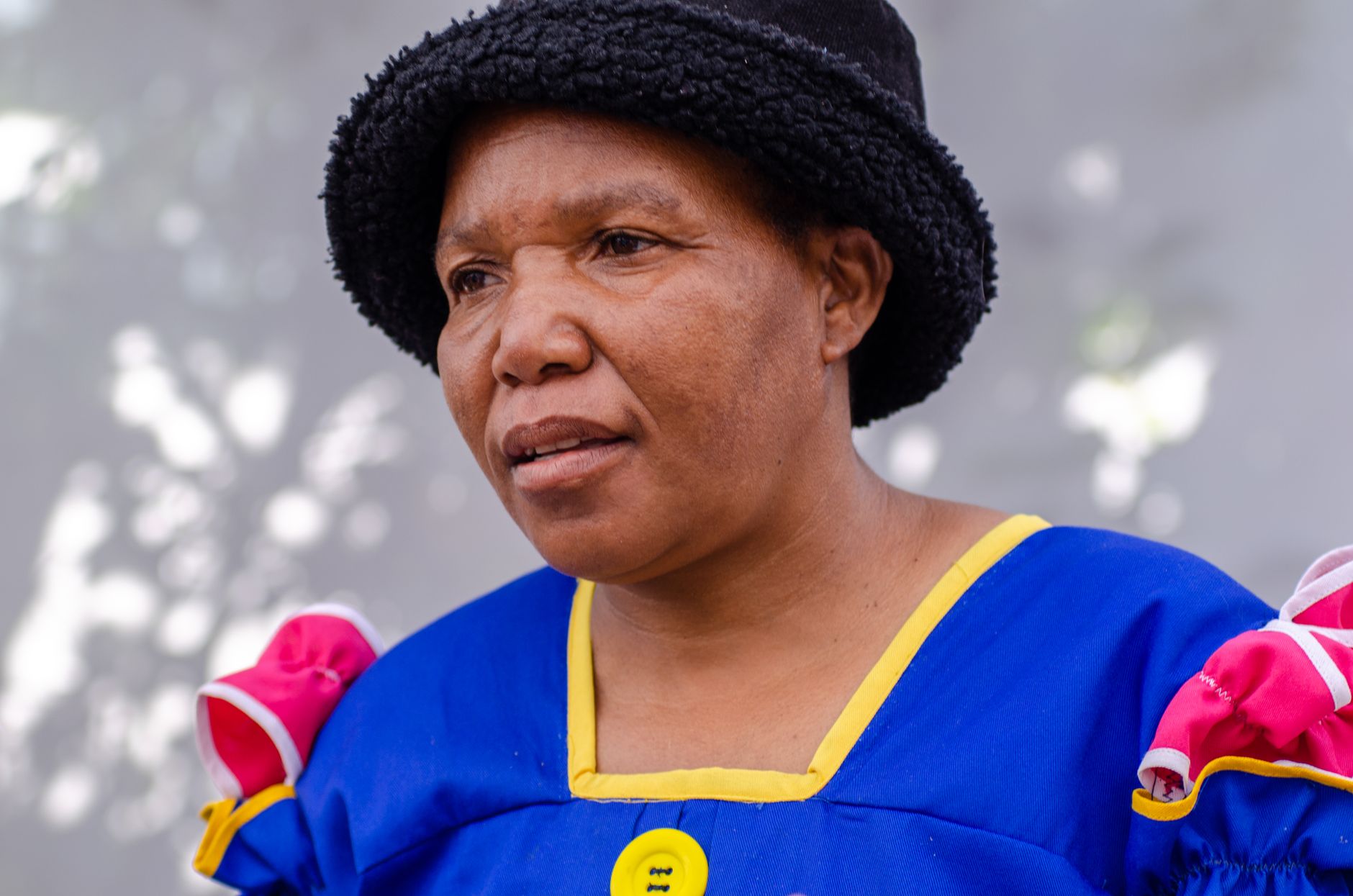
ActionSA Mashaba Zille trade has sparked discussions among political analysts. The proposed exchange raises questions about the implications for both parties involved.
Understanding the ActionSA Mashaba Zille Trade
The recent proposal by ActionSA to trade its leader, Herman Mashaba, for former Democratic Alliance (DA) leader, Helen Zille, has sparked significant discussion within the political landscape. This unexpected move raises questions about the strategic motivations behind such a trade and its implications for both parties involved.
In understanding the ActionSA Mashaba Zille trade, it is crucial to consider the following points:
- Political Strategy: The potential benefits of having Zille in a leadership position could provide ActionSA with increased visibility and support among traditional DA voters.
- Leadership Dynamics: Mashaba’s entrepreneurial approach and Zille’s political experience could create a unique synergy, appealing to a broader base.
- Public Perception: The trade may alter public opinion, affecting both parties’ standings in upcoming elections.
- Coalition Building: This trade could pave the way for new alliances, especially in the context of forming coalitions to challenge the ruling party.
As the political arena continues to shift, the ActionSA Mashaba Zille trade could set a precedent for future negotiations among opposition parties. Observers are keen to see how this proposal will unfold and whether it will lead to a more unified front against the current government.
Political Implications of the Proposed Trade
The proposed trade involving ActionSA’s Herman Mashaba and the Democratic Alliance’s Helen Zille has sparked significant political discourse across South Africa. This unexpected maneuver raises questions not only about party dynamics but also about the broader implications for governance and leadership in the country.
Supporters of ActionSA argue that trading Mashaba for Zille could strengthen their position in the political landscape. They believe that Zille’s experience and established political network could provide the party with the necessary leverage to challenge the current administration more effectively. However, critics warn that such a move could alienate core supporters who view Mashaba as a symbol of change and accountability.
Additionally, there are concerns about the message this trade sends regarding party loyalty and the prioritization of political strategy over principles. Many party activists are questioning whether this potential swap reflects a genuine commitment to addressing the concerns of constituents or simply a tactical decision aimed at gaining power.
As the political climate shifts, it remains uncertain how this trade will play out. The involvement of prominent figures like Mashaba and Zille ensures that this situation will be closely monitored. The outcome could reshape the future of ActionSA and its role in South African politics, leading to a re-evaluation of alliances and strategies moving forward.
Analysis of Ministerial Salary Increases
The recent proposal from ActionSA to trade Herman Mashaba for Helen Zille has sparked various discussions within political circles, particularly concerning the implications of ministerial salary increases. These salary hikes, which have been a topic of heated debate, may play a crucial role in the political landscape surrounding this trade deal.
Supporters of ActionSA argue that the trade could bring a fresh perspective to leadership, while critics question the timing of the salary increases in relation to the proposed swap. The salary adjustments are perceived by some as a move to pacify discontent among ministers, making them more amenable to changes in party leadership.
In examining the financial implications, it is essential to consider the following points:
- Fiscal Responsibility: Increased salaries could strain the budget, especially if linked to political trades.
- Public Perception: Voter sentiments may shift against party leaders if they appear to prioritize their financial interests over public service.
- Impact on Morale: The morale of party members might be affected by perceived inequality in salary adjustments amidst broader economic challenges.
As ActionSA navigates this potential trade involving Mashaba and Zille, the ramifications of ministerial salary increases will undoubtedly continue to shape the narrative and influence public opinion.
Public Reaction to Political Moves
The recent political maneuvering involving ActionSA, Mashaba, and Zille has sparked widespread debate among South Africans. Citizens express mixed feelings about the proposed trade, with many questioning its implications for the future of the party and its leadership.
Social media platforms have been abuzz with reactions, ranging from enthusiastic support to outright skepticism. Supporters of ActionSA argue that the trade could bring valuable experience and strategic vision to the party, potentially strengthening its position in upcoming elections. They believe that Zille’s political acumen could complement Mashaba’s leadership style, fostering a more united front.
- Proponents of the trade highlight Zille’s track record in governance, asserting that her involvement could enhance the party’s credibility.
- Critics, on the other hand, fear that this move might alienate some of ActionSA’s core supporters who view Mashaba as a more relatable figure.
- Additionally, there are concerns about the timing of this proposed trade amidst discussions regarding ministerial salary increases, which have also drawn public ire.
As the debate continues, political analysts are urging both ActionSA and its supporters to carefully consider the broader implications of the Mashaba-Zille trade. Will this be a game changer for the party, or will it create more division than unity? Only time will tell.
Comparing ActionSA’s Strategy to Other Parties
As the political landscape shifts, comparing ActionSA’s strategy to those of other parties becomes essential in understanding the implications of the Mashaba-Zille trade. Other political entities have taken distinct approaches to leadership and coalition-building, often prioritizing stability over dramatic personnel changes.
In contrast, ActionSA’s bold move to offer Mashaba in exchange for Zille signifies a willingness to disrupt the status quo in pursuit of a more dynamic political vision. This strategy can be seen in relation to the following points:
- Coalition Dynamics: Other parties, like the ANC and DA, have typically favored gradual alliances that prioritize consensus-building over assertive trades.
- Public Perception: While ActionSA aims to energize its base with high-profile trades, established parties often rely on traditional campaign strategies to maintain voter support.
- Policy Focus: Many political groups concentrate on long-term policy agendas, while ActionSA’s tactic appears more centered on individual personalities and their potential impact on governance.
The effectiveness of ActionSA’s Mashaba-Zille trade remains to be seen, particularly in how it influences voter sentiment and party cohesion. By examining these differences, it becomes clear that ActionSA’s approach may redefine political strategies in South Africa.
Future of ActionSA with Mashaba and Zille
The future of ActionSA with Mashaba and Zille appears to be a topic of significant debate and speculation among political analysts and party supporters alike. As the proposed trade deal unfolds, many are questioning whether this strategic move will strengthen ActionSA or lead to unforeseen challenges.
In recent discussions, Herman Mashaba, the party leader, has emphasized his commitment to the principles of ActionSA, suggesting that Zille’s inclusion could enhance the party’s influence in key political areas. However, this potential shift raises concerns regarding the party’s core values and its direction moving forward.
Supporters of Mashaba argue that his leadership has been instrumental in shaping ActionSA’s identity, while critics worry that Zille’s controversial past could overshadow the party’s foundational goals. The possibility of Mashaba stepping aside in favor of Zille has sparked a mix of enthusiasm and skepticism among the electorate.
- Potential Benefits: Increased visibility and political clout.
- Challenges Ahead: Balancing differing ideologies and public perceptions.
- Strategic Direction: Clarifying the party’s objectives in light of this trade.
As the political landscape continues to evolve, the dynamics between ActionSA, Mashaba, and Zille will undoubtedly play a crucial role in shaping the party’s future and its ability to connect with voters.
Expert Opinions on the Trade Deal
As the political landscape shifts with the proposed trade involving ActionSA leaders Herman Mashaba and Helen Zille, experts are weighing in on the implications of such a move. The trade deal has sparked significant debate among political analysts and commentators, many of whom see it as a strategic maneuver aimed at consolidating power within the party.
According to Dr. Linda Nkosi, a political analyst at the University of Johannesburg, “The ActionSA Mashaba Zille trade could redefine the party’s approach to governance and opposition, potentially enhancing its visibility and influence in the political arena.” She emphasizes that this trade could allow ActionSA to leverage Zille’s experience while simultaneously retaining Mashaba’s grassroots appeal.
Conversely, Professor Thabo Mbeki, a seasoned political strategist, warns that “this trade could backfire if not managed carefully.” He suggests that the party must ensure that both leaders’ visions align to avoid internal conflicts that could destabilize ActionSA’s progress.
In addition to these views, public sentiment remains mixed, with some supporters expressing enthusiasm over the potential for a stronger leadership duo, while others fear the implications of trading such prominent figures. As the political landscape evolves, the true impact of the ActionSA Mashaba Zille trade remains to be seen, with experts continuing to dissect its potential outcomes.
ActionSA Mashaba Zille has sparked a heated debate among political analysts regarding the potential impact of their collaboration on local governance. Critics argue that ActionSA Mashaba Zille may prioritize political gain over the needs of the community.
Photo by Steward Masweneng on Pexels