


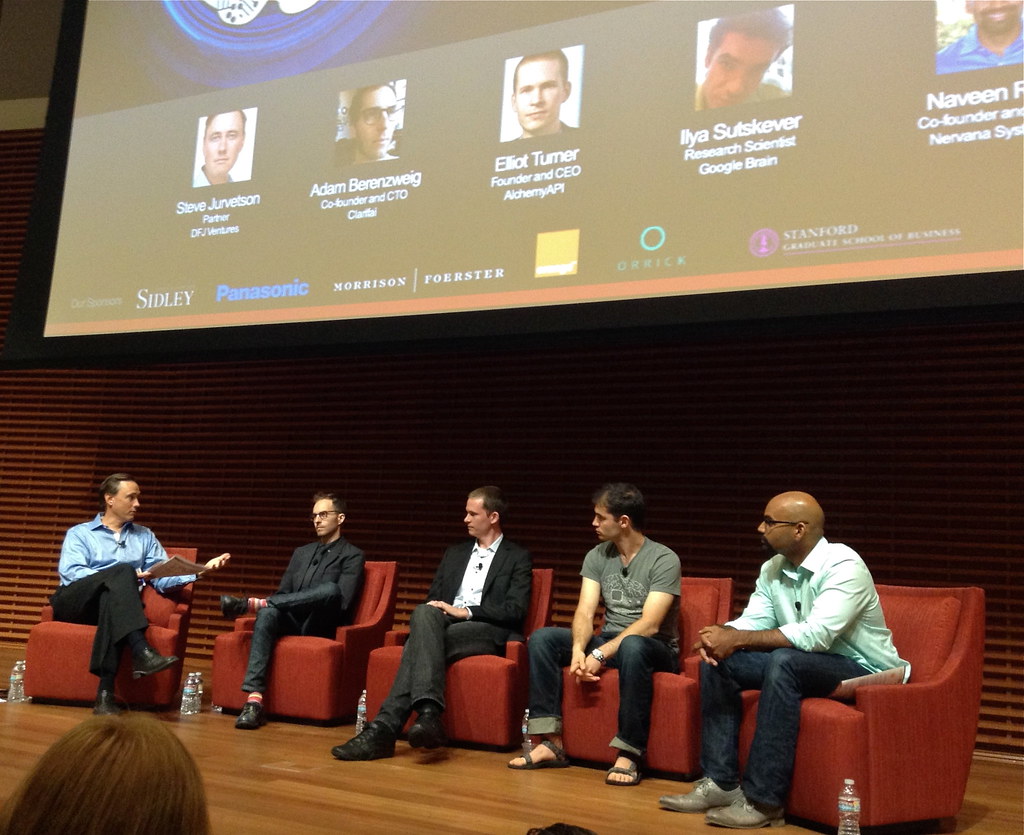
AI in diagnostics is revolutionizing the way healthcare professionals see disease and understand the patient. This innovative technology is paving the way for more accurate diagnoses and personalized treatment plans.
Understanding AI in Diagnostics
AI in diagnostics is revolutionizing the way healthcare professionals identify and treat diseases. By utilizing advanced algorithms and machine learning, these technologies can analyze vast amounts of medical data rapidly and accurately. This capability not only enhances the precision of diagnoses but also improves patient outcomes.
Some of the most notable applications of AI in diagnostics include:
- Image Recognition: AI can interpret medical images, such as X-rays and MRIs, with remarkable accuracy.
- Predictive Analytics: By examining historical data, AI can forecast potential health risks and suggest preventive measures.
- Personalized Medicine: AI systems can tailor treatment plans based on individual patient profiles, leading to more effective care.
As these technologies continue to evolve, their integration into clinical practice promises to transform patient care significantly.
The Impact of AI on Patient Care
The integration of AI in diagnostics has revolutionized the way healthcare providers approach patient care. By leveraging advanced algorithms, medical professionals can now analyze vast amounts of data to identify diseases with unprecedented accuracy.
One of the key impacts of this technology is the enhancement of early detection. With AI tools, clinicians can identify potential health issues before they become critical, allowing for timely intervention. Furthermore, these technologies streamline the diagnostic process, reducing the time patients spend waiting for results.
Another significant benefit is the personalization of treatment plans. AI systems can evaluate individual patient data and recommend tailored therapies that align with specific health needs, improving overall outcomes.
However, it is essential to consider the ethical implications of using AI. Maintaining patient privacy and ensuring equitable access to these technologies remain crucial challenges for the healthcare industry.
Proven Benefits of AI in Diagnostics
The integration of AI in diagnostics has brought substantial benefits to patient care, enhancing both accuracy and efficiency in medical evaluations. Here are some of the proven advantages:
- Increased Accuracy: AI algorithms can analyze complex data sets with remarkable precision, reducing the likelihood of human error in diagnosing conditions.
- Faster Results: By automating routine tasks, AI can expedite the diagnostic process, leading to quicker treatment decisions for patients.
- Enhanced Predictive Analytics: AI tools can identify patterns and predict disease progression, allowing for proactive interventions.
- Cost Efficiency: Implementing AI solutions can lower overall healthcare costs by minimizing unnecessary tests and hospitalizations.
As healthcare continues to evolve, the role of AI in diagnostics stands out as a transformative force, significantly improving patient outcomes.
Future Trends in Healthcare Technology
As the healthcare landscape evolves, the integration of AI in diagnostics is set to transform patient care significantly. Several future trends are emerging that promise to enhance diagnostic accuracy and efficiency.
- Personalized Medicine: AI algorithms will increasingly analyze genetic information, tailoring treatments to individual patients.
- Remote Monitoring: Wearable devices powered by AI will provide real-time health data, allowing for timely interventions and proactive care.
- Enhanced Imaging Techniques: Advanced AI tools will improve the interpretation of medical images, leading to faster and more precise diagnoses.
- Predictive Analytics: By leveraging vast amounts of data, AI will help predict disease outbreaks and patient outcomes, reshaping preventative care strategies.
These trends highlight the crucial role of AI in diagnostics, paving the way for a more efficient and effective healthcare system.
By jurvetson via Openverse
Where this came from
Related stories
Mar Menor rents: The Quick Rise in Los Alcázares Prices · Bangkok floodwaters ease: A quick guide to recovery efforts · Data Centers Impact: The Clear Change in America’s Landscape