








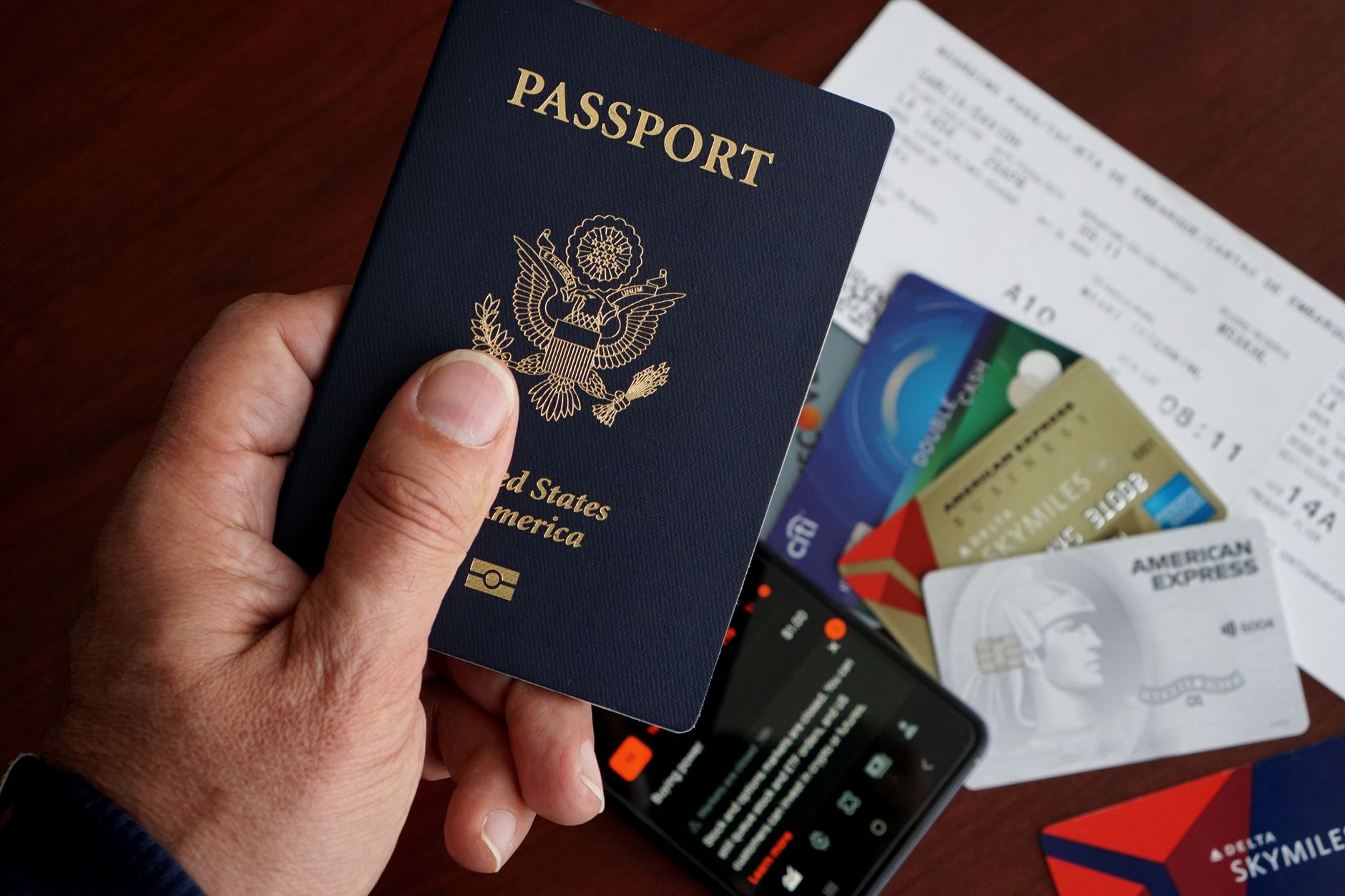
US green card freeze has significant implications for Indian IT firms and their employees. Major companies like Cognizant and Infosys are directly impacted.
Understanding the US green card freeze
The recent US green card freeze has raised significant concerns among professionals in the Indian IT sector. This unprecedented suspension impacts several major firms, including Cognizant, Infosys, TCS, Wipro, and HCL, which collectively employ thousands of highly skilled workers.
As these companies navigate the new regulations, many employees face uncertainty regarding their immigration status and future employment opportunities in the United States. The freeze is believed to be a response to increasing scrutiny over employment-based immigration and its effects on the local job market.
The repercussions of this freeze are particularly severe for Indian IT professionals who rely on green cards for long-term work and residency in the US. Key points highlighting the situation include:
- Delays in green card processing for skilled workers.
- Increased competition for existing green card slots among applicants.
- Potential job losses or relocations for affected employees.
- Longer wait times for new hires looking to work in the US.
As the situation evolves, the full extent of the impact on Indian IT jobs remains to be seen.
Impact on major IT companies
The recent US green card freeze has raised concerns among major IT companies, particularly those based in India. The suspension of green card processing has significant implications for firms like Cognizant, Infosys, TCS, Wipro, and HCL. These companies rely heavily on skilled workers from India who often seek permanent residency in the United States.
As many as eight IT firms have been affected, leading to potential disruptions in their operations. The lack of green cards limits the ability of these companies to retain top talent, which could hinder their growth and competitiveness in the global market. The following points outline the specific impacts:
- Talent Shortage: With fewer employees able to transition to permanent status, there is a risk of losing valuable expertise.
- Increased Costs: Companies may face higher costs due to the need to recruit and train new workers locally.
- Delayed Projects: Many ongoing and future projects could face delays owing to staffing challenges.
- Market Share Impact: Competitors who can secure talent may gain an advantage in the market.
The US green card freeze has thus created a ripple effect, threatening the future of Indian IT jobs and the overall industry landscape.
Job market implications for Indian workers
The recent US green card freeze has raised significant concerns for Indian workers, particularly those in the IT sector. As major firms like Cognizant, Infosys, TCS, Wipro, and HCL face suspensions, the ramifications on job security and growth opportunities are becoming increasingly evident.
Many Indian IT professionals rely on green cards to secure their long-term residency and work status in the United States. With the freeze in place, the following implications can be observed:
- Employment Opportunities: A halt in green card processing may lead to a reduction in job offers from US-based companies, as firms reassess their hiring strategies.
- Career Growth: Indian workers may encounter stagnation in their career paths, as the inability to transition to permanent residency limits advancement opportunities.
- Migration Trends: The green card freeze may prompt a shift in migration patterns, with IT professionals considering other countries for employment.
As the situation unfolds, the future of Indian IT jobs hangs in the balance, intensifying the urgency for a resolution to the US green card freeze.
Responses from affected firms
The recent US green card freeze has prompted a wave of responses from various Indian IT firms, who are now grappling with the implications of this sudden policy change. Major companies such as Cognizant, Infosys, TCS, Wipro, and HCL have expressed their concerns over the potential disruption to operations and talent retention.
Many firms are worried about the long-term ramifications on their workforce, particularly as the US remains a key market for IT services. A spokesperson from TCS stated, “The freeze on green cards could hinder our ability to bring in skilled professionals from India, which is crucial for maintaining our competitive edge.”
In light of these developments, several companies are exploring alternative strategies:
- Enhancing local hiring initiatives to reduce dependency on foreign talent.
- Investing in training programs to upskill existing employees.
- Strengthening partnerships with universities to create a pipeline of local talent.
As the situation unfolds, the industry remains on high alert, with the US green card freeze seen as a significant challenge for Indian IT jobs.
Future outlook for US immigration policies
The future outlook for US immigration policies remains uncertain as the recent US green card freeze continues to stir concern among IT professionals and companies alike. Experts suggest that the long-term ramifications of this freeze could reshape the landscape of global talent acquisition.
Many industry leaders believe that the current restrictions may prompt Indian IT firms to reconsider their business strategies. With the US being a significant market, companies such as Cognizant, Infosys, TCS, Wipro, and HCL may need to diversify their operations to maintain competitiveness without relying heavily on US-based talent.
Furthermore, the freeze could incentivize firms to invest more in automation and artificial intelligence, reducing dependence on foreign labor. This shift may lead to a transformation in job roles, with a greater emphasis on upskilling the existing workforce.
Despite the challenges, some analysts argue that this could also lead to opportunities for other countries to attract skilled workers. As the global job market adapts, the fate of many Indian IT professionals may hinge on future immigration reforms in the US.
Photo by DΛVΞ GΛRCIΛ on Pexels