




The Trump Federal Reserve conflict is becoming increasingly significant as interest rates continue to rise. This clash could have far-reaching implications for the economy and financial markets.
Understanding the Trump Federal Reserve Conflict
The ongoing Trump Federal Reserve conflict has raised significant concerns regarding the future of interest rates in the United States. Tensions have escalated as former President Donald Trump has publicly criticized the Federal Reserve’s monetary policy, particularly its decisions on interest rates.
Trump argues that low interest rates are essential for economic growth, while the Federal Reserve maintains that raising rates is necessary to combat inflation.
This clash has profound implications for various sectors, including:
- Consumer borrowing: Higher rates could increase costs for loans and mortgages.
- Investment strategies: Investors may shift portfolios based on anticipated rate changes.
- Overall economic stability: A misalignment between the administration and the Federal Reserve can create uncertainty.
Understanding this conflict is crucial for predicting future economic trends.
Current Interest Rate Trends
As the Trump Federal Reserve conflict continues to unfold, current interest rate trends are drawing significant attention from economists and investors alike. The Federal Reserve has maintained a cautious approach, with rates currently hovering near historic lows. This stance aims to support economic recovery and encourage borrowing.
However, President Trump has repeatedly expressed dissatisfaction with the Fed’s policies, urging for lower rates to stimulate growth. This tension is creating uncertainty in the markets, leading to varied predictions about future rate changes.
Analysts are keeping a close eye on:
- The potential impact of Trump’s influence on Fed decisions
- Inflation trends and their effect on interest rates
- Global economic factors that could sway rate adjustments
As this conflict evolves, the implications for interest rates will remain a critical focus for all stakeholders in the economy.
How the Federal Reserve Sets Rates
The Federal Reserve plays a crucial role in setting interest rates, influencing both the economy and the markets. The process begins with the Federal Open Market Committee (FOMC), which meets regularly to assess economic conditions and determine the appropriate monetary policy.
Key factors influencing their decisions include:
- Inflation Rates: The Fed aims to maintain price stability, targeting a specific inflation rate.
- Employment Levels: High employment often encourages rate hikes, while rising unemployment may lead to cuts.
- Economic Growth: The Fed monitors GDP growth to gauge overall economic health.
As the Trump Federal Reserve conflict unfolds, these factors remain essential in understanding how rate decisions may shift in response to political pressures and market reactions.
Implications for the Economy
The ongoing Trump Federal Reserve conflict raises significant questions about the future of the U.S. economy. As tensions escalate, the implications for interest rates become increasingly pronounced. Investors are left to navigate a landscape of uncertainty, which can lead to volatility in financial markets.
Specifically, the conflict may influence consumer borrowing costs and business investment decisions. Key implications include:
- Higher borrowing costs: If the Federal Reserve feels pressure to adjust rates, this could lead to increased costs for loans and mortgages.
- Market reactions: Sharp changes in interest rates can provoke swift reactions from investors, impacting stock prices.
- Economic growth: Prolonged uncertainty may hinder business confidence and slow down economic expansion.
Ultimately, the Trump Federal Reserve conflict could reshape the financial landscape in ways that affect everyday Americans.
Investor Reactions to Rate Changes
Investor reactions to rate changes amid the Trump Federal Reserve conflict have been mixed, reflecting a deep uncertainty in the market. Some investors have expressed concern that the ongoing tension between the Trump administration and the Federal Reserve could lead to increased volatility in interest rates.
Many are closely monitoring the Fed’s decisions, as they directly impact borrowing costs and investment strategies. Some key reactions include:
- Increased Risk Aversion: A number of investors are adopting a more conservative approach, opting for safer assets like government bonds.
- Stock Market Sensitivity: Equities have shown heightened sensitivity to any signals from the Fed, with fluctuations based on anticipated rate adjustments.
- Long-Term Outlook: Some investors remain optimistic, believing that stability will eventually return once the Trump Federal Reserve conflict is resolved.
Historical Context of Fed Decisions
The historical context of the Federal Reserve’s decisions reveals a complex relationship with presidential administrations. Traditionally, the Fed operates independently, yet the Trump Federal Reserve conflict has highlighted tensions between economic policy and political influence. Throughout history, presidents have attempted to sway Fed decisions, particularly during times of economic uncertainty.
During the late 1970s, President Carter faced criticism for high inflation, leading to significant rate hikes by the Fed. Similarly, in the 2000s, President Bush saw the Fed respond to economic downturns with rate cuts, showcasing the influence of presidential priorities on monetary policy.
The current landscape, marked by Trump’s vocal criticisms of Fed Chair Jerome Powell, adds layers of political pressure, challenging the longstanding principles of Fed autonomy in setting interest rates.
Future Outlook for Interest Rates
The future outlook for interest rates remains uncertain as the Trump Federal Reserve conflict heats up. Analysts suggest that the ongoing tensions between the former president and the central bank could influence monetary policy decisions in the months to come.
Several key factors will likely shape the trajectory of interest rates:
- Inflation Trends: Persistent inflation could prompt the Fed to adopt a more aggressive rate hike strategy.
- Political Pressure: The influence of political figures, including Trump, may impact the Fed’s independence and decision-making processes.
- Global Economic Conditions: Changes in the international market could also play a role in rate adjustments.
As these elements evolve, investors and consumers alike will be watching closely for cues about future rate movements.
Key Takeaways from Recent Developments
As developments unfold regarding the Trump Federal Reserve conflict, several key takeaways emerge. First, the tension between the Trump administration and the Federal Reserve has intensified, particularly concerning interest rate policies. This discord has raised questions about the Fed’s independence and its ability to make decisions based solely on economic indicators.
Second, market volatility is likely to increase as investors react to statements from both Trump and Federal Reserve officials. Interest rates could see unexpected fluctuations that may impact borrowing costs for consumers and businesses alike.
Lastly, public sentiment is shifting, with many Americans expressing concerns over how political pressures might influence monetary policy. In this context, the Trump Federal Reserve conflict remains a pivotal issue that could shape the economic landscape in the coming months.
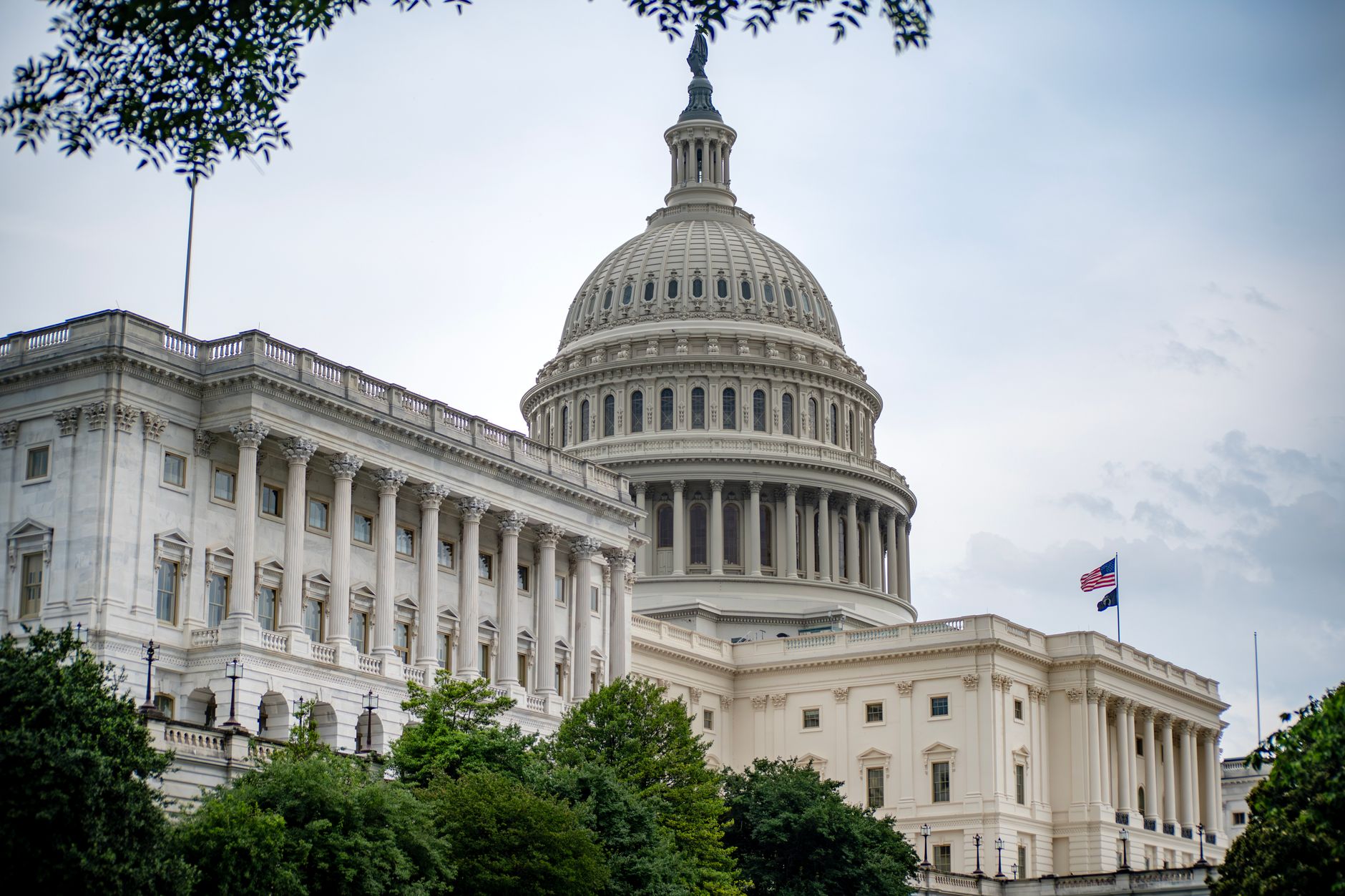
Photo by Ramaz Bluashvili on Pexels