







Khalistan movement Canada is a topic of significant discussion as an envoy states India has ‘zero problem’ with peaceful advocacy. This stance highlights the complexities of international relations.
Understanding the Khalistan Movement
The Khalistan movement, advocating for a separate Sikh state in India, has found a significant presence in Canada. This movement has sparked both support and controversy within the country, reflecting a complex interplay of cultural identity and political aspirations.
Historically, the roots of the Khalistan movement can be traced back to the late 20th century, primarily fueled by grievances related to the treatment of Sikhs in India. In Canada, a substantial Sikh diaspora has emerged, leading to a stronger voice for those who identify with the movement.
Supporters of the Khalistan movement in Canada argue that their pursuit is a peaceful expression of cultural and political rights. They emphasize the importance of dialogue and understanding, aiming to raise awareness about Sikh history and identity.However, the movement also faces criticism, with some accusing it of promoting divisiveness and extremism.
In recent discussions, Canadian officials have sought to balance these perspectives. As highlighted by Indian envoy statements, there is an acknowledgment of the need for peaceful discourse regarding the Khalistan movement. Such sentiments aim to foster cooperation between India and Canada while addressing the concerns of the Sikh community.
Ultimately, the conversation around the Khalistan movement in Canada remains intricate, involving passionate voices on both sides advocating for peace and understanding in the pursuit of identity and rights.
India’s Position on Peaceful Advocacy
India’s position on the Khalistan movement in Canada emphasizes a clear distinction between peaceful advocacy and extremism. The Indian government has expressed that it has “zero problem” with individuals advocating for the Khalistan movement, provided their activities remain non-violent and respectful. This statement comes amid rising tensions surrounding the movement, as many in Canada continue to voice their support for Sikh separatism.
Indian officials have reiterated that while they recognize the right to peaceful expression, they are firmly against any form of extremism that threatens public safety or communal harmony. This stance highlights India’s ongoing concerns about the potential for radicalization among diaspora communities. The Indian High Commissioner to Canada has urged individuals involved in the Khalistan movement to refrain from “bringing filth” into the discourse, advocating for a peaceful dialogue instead.
In this context, it is essential for advocates of the Khalistan movement to promote their cause through peaceful means. The distinction made by Indian authorities reflects a desire for constructive engagement rather than confrontation. By fostering an environment of understanding, both India and the Canadian Sikh community can work towards a resolution that honors the aspirations of the Khalistan movement while maintaining peace and stability in the region.
Ultimately, the call for peace resonates strongly as both nations navigate the complexities surrounding identity, rights, and advocacy.
The Role of Canadian Politics
The Khalistan movement in Canada has garnered significant attention, especially in the context of Canadian politics. As the movement seeks to advocate for the rights of Sikhs and promote a separate Khalistan state, its presence in Canada has become a topic of political discourse.
Canadian politicians have had varied responses to the movement, often reflecting the diverse opinions within their constituencies. Some see it as a legitimate expression of cultural identity and political rights, while others view it as a potential source of division and conflict.
Key factors influencing Canadian politics regarding the Khalistan movement include:
- Community Engagement: The Sikh community plays a vital role in Canadian society, contributing to the political landscape through active participation and representation.
- International Relations: Canada’s relationship with India is delicate, and politicians must navigate these waters cautiously, especially when addressing issues related to the Khalistan movement.
- Public Perception: The views of the general public towards the movement can shift based on media portrayal and political rhetoric, impacting how politicians approach the topic.
As the Khalistan movement continues to evolve in Canada, the balance between advocating for peaceful dialogue and addressing concerns about separatism remains a crucial challenge for Canadian politics.
International Reactions to the Envoy’s Statement
The recent statement made by the Indian envoy regarding the Khalistan movement in Canada has elicited a wide range of international reactions. Many countries are closely monitoring the situation, as it touches on issues of sovereignty, diaspora relations, and human rights.
Among the reactions, several key points have emerged:
- Support for Dialogue: Diplomatic circles in the United States and the United Kingdom have expressed support for peaceful discussions about the Khalistan movement. They emphasize the importance of dialogue in resolving conflicts and maintaining harmony within diverse communities.
- Concerns Over Extremism: Some nations have raised concerns about potential extremist elements within the movement. They advocate for a balanced approach that discourages violence while respecting the right to peaceful advocacy.
- Balancing Relations: Countries with significant Indian and Sikh populations are navigating a complex landscape. They aim to foster good relations with both India and the Canadian Sikh community, recognizing the multifaceted nature of the Khalistan movement.
- Calls for Respect: International observers have called for mutual respect among nations, urging them to refrain from inflaming tensions. The envoy’s assertion that India has ‘zero problem’ with a peaceful Khalistan movement in Canada has been acknowledged as a crucial step towards fostering understanding.
In summary, the global response underscores the need for careful diplomacy as discussions surrounding the Khalistan movement continue.
Implications for India-Canada Relations
The ongoing discourse surrounding the Khalistan movement in Canada has significant implications for India-Canada relations. The recent comments made by the Indian envoy highlight a delicate balancing act both countries must navigate. While India has reiterated its stance against any form of separatism, it has also expressed a willingness to engage with peaceful advocacy. This dual approach reflects India’s broader strategy to maintain diplomatic ties while addressing security concerns.
As the Khalistan movement garners attention in Canada, it has the potential to strain bilateral relations. Canada’s acceptance of diverse political voices, including those advocating for Khalistan, often clashes with India’s perspective on national integrity. This divergence can lead to tensions in diplomatic discussions, particularly in matters related to security and counter-terrorism.
The implications extend beyond political rhetoric. Increased activism surrounding the Khalistan movement could lead to public demonstrations in Canada, putting pressure on the Canadian government to respond. In turn, India may view these actions as a failure to address its concerns, potentially impacting trade agreements and cooperation on international platforms.
Furthermore, as both nations strive to maintain a constructive partnership, the challenge will be finding a common ground that respects India’s sovereignty while upholding Canada’s commitment to freedom of expression. Navigating these complexities will be crucial for fostering a future of peace and collaboration.
Public Opinion on Khalistan in Canada
The Khalistan movement has garnered significant attention within Canada, leading to a complex tapestry of public opinion that reflects diverse perspectives. While some individuals express support for the movement, viewing it as a legitimate pursuit of self-determination for the Sikh community, others express concerns about its potential to incite division and unrest.
According to recent surveys, public sentiment is divided. A notable portion of the Canadian population recognizes the historical grievances of Sikhs and expresses empathy towards the Khalistan movement. These supporters argue that advocating for Khalistan in Canada is an extension of democratic rights, emphasizing the importance of peaceful dialogue.
- Supporters: Many believe that the Khalistan movement represents a voice for marginalized communities and a pathway to justice.
- Critics: Conversely, others worry that endorsing such movements may jeopardize Canada’s multicultural fabric and lead to social discord.
The government’s stance appears cautious, balancing its commitment to free speech with the potential ramifications for national security and diplomatic relations with India. The recent statement from the Indian envoy, which emphasized a “zero problem” approach regarding peaceful advocacy, reflects a growing recognition of the complexities involved in the Khalistan movement in Canada.
As discussions continue, the central challenge remains: how to navigate the aspirations of the Khalistan movement while ensuring a peaceful coexistence within Canada’s diverse society.
Future of the Khalistan Movement
The future of the Khalistan movement in Canada remains a topic of intense debate and scrutiny. As discussions continue, various perspectives emerge on what this movement signifies for both the Sikh diaspora and the broader geopolitical landscape.
Supporters of the Khalistan movement argue that it is a legitimate expression of cultural and political aspirations. They believe that advocating for a separate Sikh state is crucial for preserving their identity and ensuring their rights in a multicultural society. Many in Canada view this movement as a peaceful pursuit of self-determination, aligning with the values of democracy and freedom of expression.
However, critics warn that the movement could incite tensions, both within Canadian society and between Canada and India. The concern is that while peaceful advocacy is welcomed, any escalation towards extremism could undermine the goodwill between the two nations. The Indian government has made it clear that it respects peaceful movements but will not tolerate any actions that promote violence or separatism.
As the Khalistan movement evolves, the role of Canadian policymakers will be pivotal. They must navigate the delicate balance between respecting cultural expressions and maintaining national security. The ongoing dialogue will shape not only the future of the Khalistan movement in Canada but also the dynamics of India-Canada relations in the years to come.
The Khalistan movement Canada has sparked intense debate about the balance between cultural identity and national unity. Understanding the motivations behind the Khalistan movement Canada is essential for fostering dialogue and peace in the community.
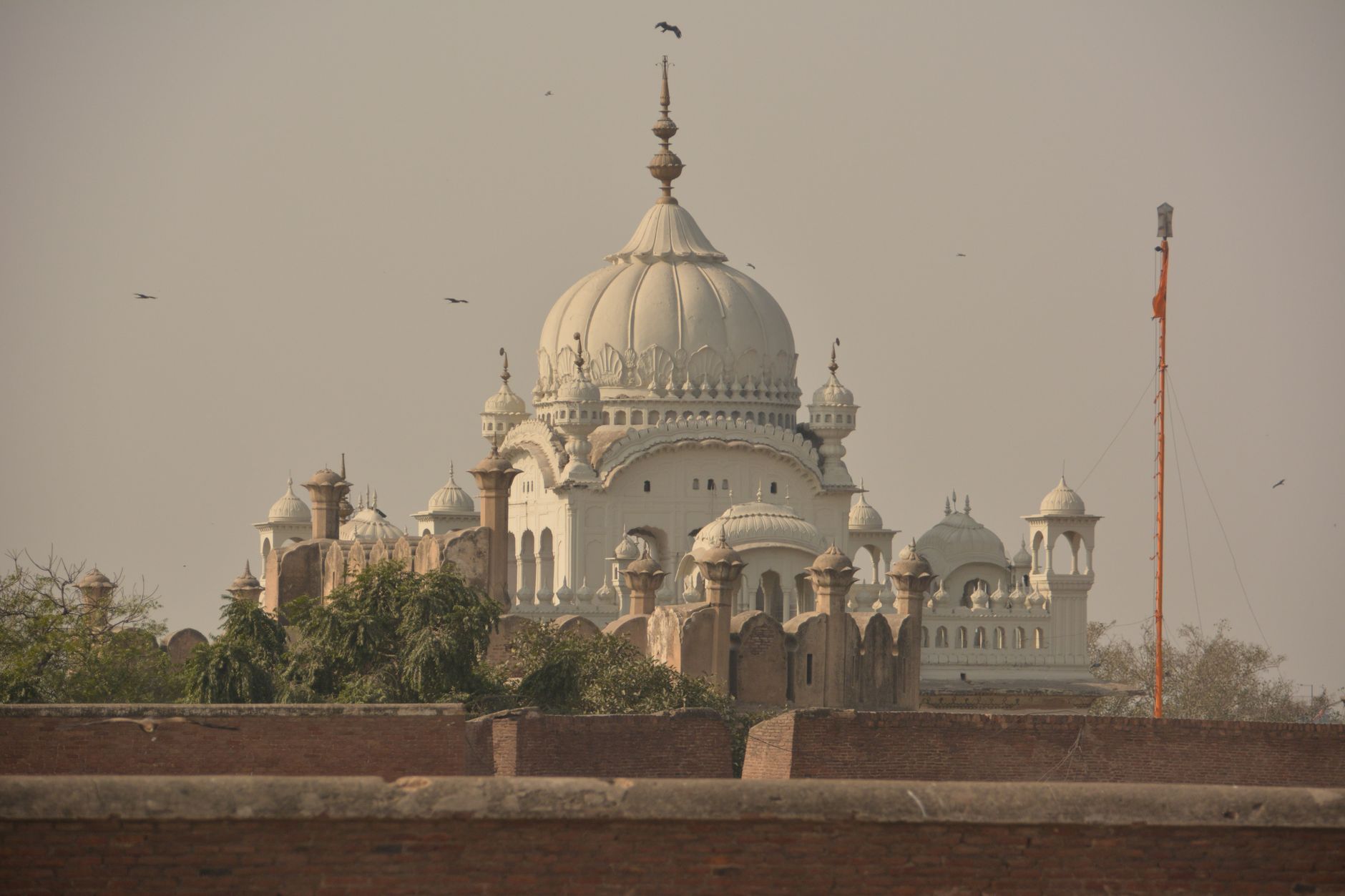
Photo by Salman Rafique on Pexels