

inferior ST-elevation myocardial infarction is a critical condition that can often go unnoticed. This article explores a recent case involving an elderly man presenting with dizziness.
Understanding ST-Elevation Myocardial Infarction
ST-elevation myocardial infarction (STEMI) is a critical medical condition that occurs when blood flow to a part of the heart is blocked for an extended period, resulting in heart tissue damage. Among the various types of STEMI, inferior ST-elevation myocardial infarction is particularly concerning due to its subtle presentation and the potential for misdiagnosis.
Patients experiencing an inferior STEMI often exhibit symptoms that can be mistaken for less serious conditions. Common symptoms include:
- Chest pain or discomfort
- Shortness of breath
- Dizziness or lightheadedness
- Nausea or vomiting
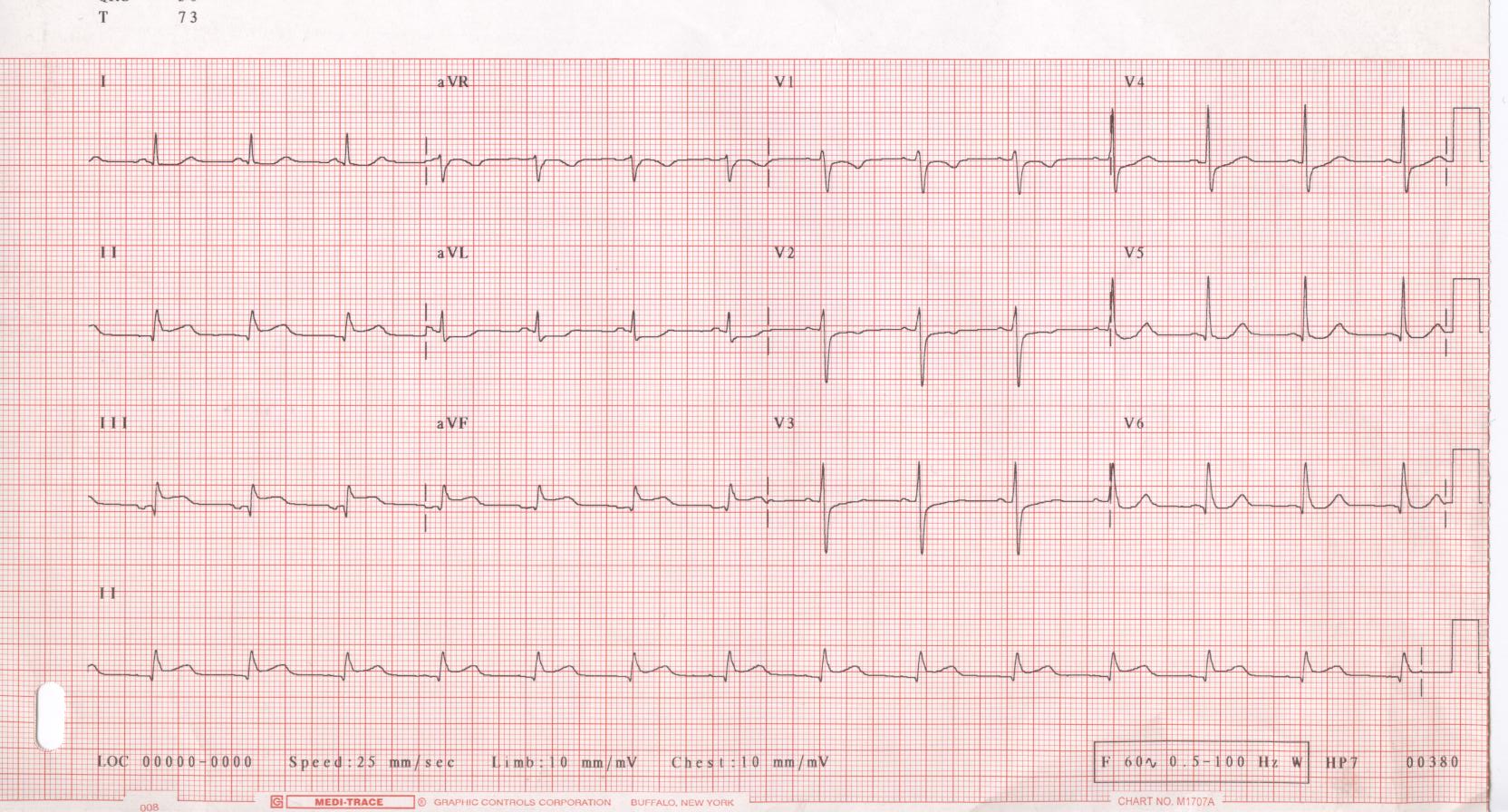
In some cases, such as the recent incident involving an elderly man who presented with dizziness, the inferior ST-elevation may be identified on an electrocardiogram (ECG) during triage rather than through typical symptom recognition. This highlights the importance of thorough ECG interpretation, particularly in at-risk populations.
Understanding the implications of an inferior STEMI is crucial for timely intervention. Delay in treatment can lead to severe complications, including heart failure or sudden cardiac arrest. Consequently, healthcare providers must maintain a high index of suspicion for inferior STEMI, especially in elderly patients or those presenting with atypical symptoms.
Symptoms and Risks of This Condition
Inferior ST-elevation myocardial infarction (STEMI) presents a unique set of symptoms and risks that can often be overlooked. Understanding these signs is crucial for timely diagnosis and treatment, especially since many patients may not exhibit classic symptoms.
Common symptoms of inferior STEMI include:
- Chest pain: Often described as a pressure or squeezing sensation, this pain may radiate to the arms, neck, jaw, or back.
- Shortness of breath: Patients may experience difficulty breathing, which can occur with or without chest discomfort.
- Nausea or vomiting: Gastrointestinal distress can be a misleading symptom, particularly in older adults.
- Dizziness or lightheadedness: Many individuals may feel faint or weak, which can be mistaken for other conditions.
The risks associated with inferior STEMI are significant. Individuals with this condition may face:
- Heart failure: Damage to heart muscle can lead to decreased pumping efficiency.
- Arrhythmias: Abnormal heart rhythms can develop, increasing the risk of sudden cardiac arrest.
- Cardiogenic shock: This life-threatening condition occurs when the heart cannot pump enough blood to meet the body’s needs.
Recognizing the symptoms and understanding the risks associated with inferior ST-elevation myocardial infarction is vital for effective patient management and improving outcomes.
Case Study: Elderly Man’s Experience
In a recent case study, an elderly man presented to the emergency department with complaints of dizziness. His medical history was largely unremarkable, and he was initially assessed for potential causes of his symptoms. However, a routine triage electrocardiogram revealed an unexpected finding: an incidental inferior ST-elevation myocardial infarction.
This case highlights the silent nature of inferior ST-elevation myocardial infarctions, which can occur without the typical chest pain that many patients associate with heart attacks. The patient’s dizziness was ultimately linked to his cardiac condition, emphasizing the importance of thorough cardiovascular assessments in elderly patients.
Upon further examination, the medical team identified the following key factors:
- Age: The patient was in his late 70s, making him more susceptible to cardiac events.
- Comorbid Conditions: He had a history of hypertension and diabetes, both of which increase the risk of heart disease.
- Electrocardiogram Findings: The ST elevations were primarily located in the inferior leads, indicating a blockage in the right coronary artery.
- Subsequent Treatment: The patient underwent immediate intervention, including angioplasty, to restore blood flow.
This case serves as a reminder that inferior ST-elevation myocardial infarctions may present subtly, warranting vigilance in diagnosis and treatment.
Importance of Early Diagnosis
Early diagnosis of inferior ST-elevation myocardial infarction is crucial for effective treatment and better patient outcomes. This type of myocardial infarction can often present with atypical symptoms, leading to delays in recognizing the condition. Understanding the importance of prompt medical intervention can make a significant difference in the prognosis for patients.
Several factors emphasize the need for immediate diagnosis:
- Timely Treatment: Rapid identification allows for interventions such as angioplasty or thrombolysis, which can restore blood flow and minimize heart damage.
- Symptom Recognition: Patients may not exhibit classic symptoms of a heart attack, such as chest pain. Instead, they might present with dizziness, shortness of breath, or fatigue, which can lead to misdiagnosis.
- Risk Stratification: Early detection aids healthcare providers in categorizing patients based on their risk levels, ensuring that those at higher risk receive immediate attention.
- Patient Education: Educating patients about the signs and symptoms of inferior ST-elevation myocardial infarction can empower them to seek medical help sooner, potentially saving lives.
In conclusion, recognizing the signs of inferior ST-elevation myocardial infarction and acting quickly can significantly impact treatment effectiveness and overall recovery. The ongoing education of both healthcare professionals and patients remains essential in improving outcomes for this condition.
Preventative Measures for Heart Health
Maintaining heart health is crucial for preventing conditions such as inferior ST-elevation myocardial infarction. Implementing effective preventative measures can significantly reduce the risk of heart-related issues.
Individuals can adopt several lifestyle changes to promote heart health:
- Regular Exercise: Engaging in at least 150 minutes of moderate aerobic activity each week can strengthen the heart and improve circulation.
- Balanced Diet: Consuming a diet rich in fruits, vegetables, whole grains, and lean proteins while limiting saturated fats, sugars, and sodium can lower cholesterol levels and blood pressure.
- Weight Management: Maintaining a healthy weight reduces the strain on the heart and lowers the risk of heart disease.
- Avoiding Tobacco: Quitting smoking and avoiding secondhand smoke can improve overall cardiovascular health.
- Regular Check-ups: Routine health screenings can help identify risk factors early, allowing for timely intervention.
- Managing Stress: Practicing stress-reduction techniques such as meditation, yoga, or deep breathing can positively impact heart health.
By taking proactive steps and being aware of the warning signs, individuals can significantly mitigate the risks associated with inferior ST-elevation myocardial infarction and enhance their overall well-being.
By http://en.wikipedia.org/wiki/User:Glenlarson via Openverse