







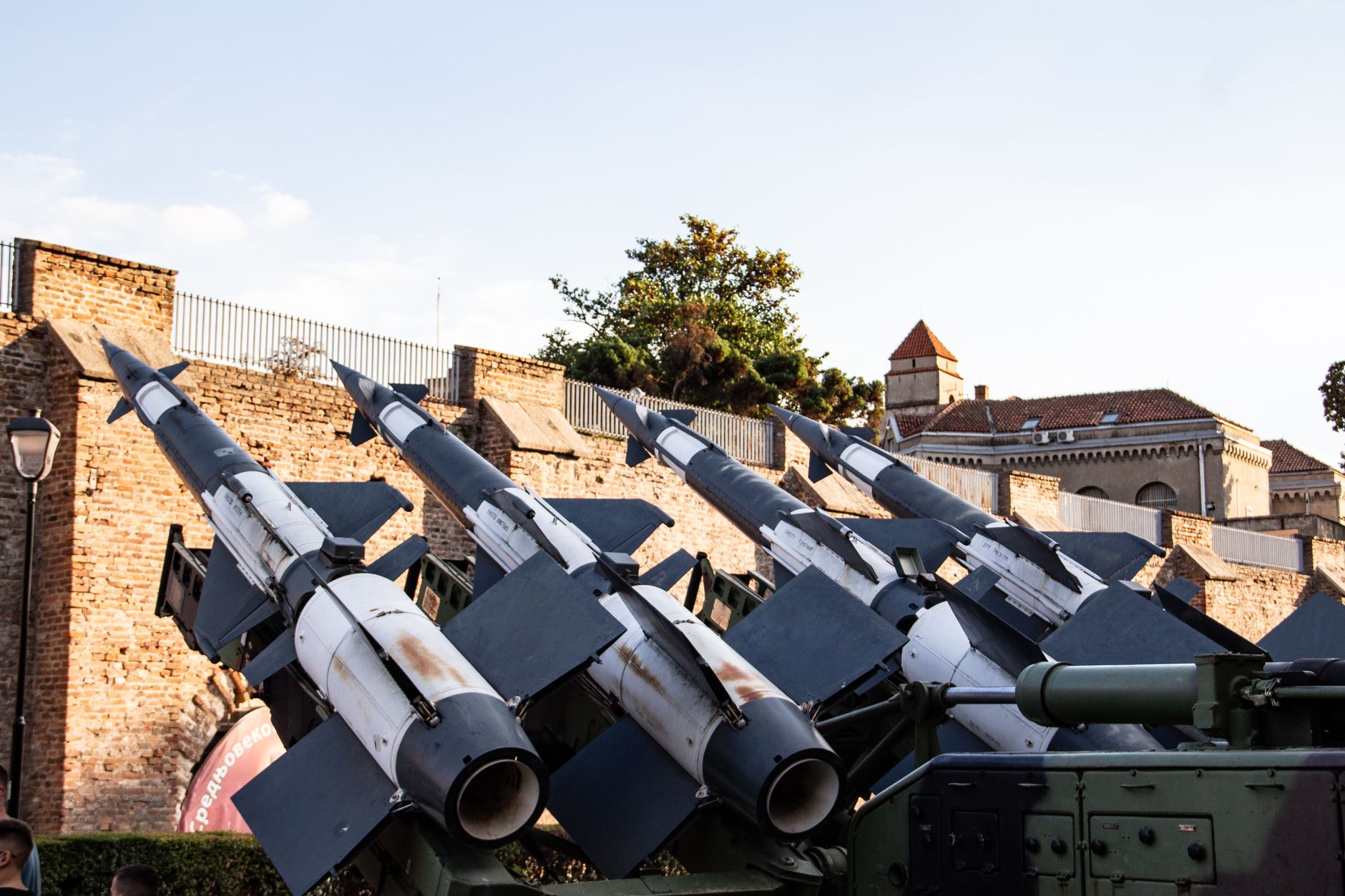
Houthi missiles intercepted has become a significant topic as Saudi Arabia successfully thwarted missile and drone attacks. The group has denied targeting Mecca, raising concerns about regional security.
Overview of the Incident
In a significant escalation of tensions in the region, Saudi Arabia successfully intercepted several Houthi missiles aimed at its territory. This incident marks a continuation of the ongoing conflict between the Saudi-led coalition and the Iran-aligned Houthi movement in Yemen. The Saudi air defense systems engaged multiple threats, effectively neutralizing them before they could reach their intended targets.
The intercepted missiles were reportedly launched in a series of attacks that included drones, showcasing the Houthis’ advancing military capabilities. According to Saudi officials, the interception of these Houthi missiles prevented potential damage and loss of life, underscoring the effectiveness of the kingdom’s defense systems.
In a statement following the incident, the Houthi group denied any intention to target the holy city of Mecca, insisting that their actions were purely defensive. Despite their claims, the incident has raised alarms among regional allies and has sparked discussions about the need for enhanced security measures in the area.
As tensions continue to rise, the international community watches closely, with many emphasizing the importance of a diplomatic resolution to the conflict to avoid further escalations.
Saudi Arabia’s Defense Capabilities
Saudi Arabia’s defense capabilities have been put to the test in recent months, particularly following incidents involving Houthi missiles intercepted by the Saudi military. The kingdom has invested significantly in advanced missile defense systems to safeguard its territory and critical infrastructure.
Key aspects of Saudi Arabia’s defense strategy include:
- Advanced Technology: The deployment of state-of-the-art missile defense systems, such as the Patriot missile system and the THAAD (Terminal High Altitude Area Defense), has enhanced the country’s ability to detect and intercept aerial threats.
- Intelligence Sharing: Collaborative efforts with international allies, particularly the United States, have bolstered Saudi Arabia’s situational awareness and response capabilities against missile threats.
- Rapid Response Units: The establishment of specialized military units trained for quick deployment during aerial attacks ensures timely interception of any incoming missiles.
These measures reflect a commitment to national security and stability in the region, especially in light of the persistent threats posed by Houthi forces. The recent incidents underscore the importance of maintaining robust defense systems to protect against potential attacks.
Houthi Group’s Response
The Houthi group, officially known as Ansar Allah, has responded to the interception of their missiles by Saudi Arabia with defiance. In a statement released shortly after the incident, a spokesperson for the group emphasized that their missile operations are targeted towards military sites and strategic locations, not civilian areas.
According to the Houthi leadership, their actions are a legitimate response to what they describe as ongoing aggression from Saudi-led coalition forces. They maintain that their military capabilities are a form of resistance against foreign intervention in Yemen. The group has reiterated its commitment to continue its operations, which they claim are a means of defending their sovereignty.
In the wake of the intercepted missiles, the Houthis have called for a united front among their supporters, urging them to remain vigilant against what they perceive as an escalating threat from Saudi Arabia. The group has also denied any intent to target Mecca, insisting that their military objectives are focused elsewhere.
- Key Points from Houthi Response:
- Affirmation of missile operations as defensive
- Denial of targeting civilian areas
- Call for unity among supporters
Impact on Regional Security
The recent interception of Houthi missiles by Saudi Arabia has raised significant concerns about regional security. The successful defense against these threats highlights the ongoing volatility in the Middle East, where various factions continue to engage in hostilities. This incident underscores the importance of advanced missile defense systems in safeguarding critical infrastructure and civilian populations.
Analysts believe that the interception of Houthi missiles is a pivotal moment that may influence the strategic calculations of neighboring countries. With the Houthis asserting their capability to target key locations, including Mecca, the threat level has escalated, prompting a unified response from regional powers.
Several key factors contribute to the shifting dynamics:
- Increased Military Preparedness: Nations are likely to enhance their defensive measures and military readiness in response to the perceived threat.
- Diplomatic Tensions: The incident may exacerbate existing tensions between Saudi Arabia and Iran, particularly as the Houthis are supported by Tehran.
- Coalition Responses: Regional alliances may be tested as countries reassess their strategies and partnerships in light of recent events.
In summary, the interception of Houthi missiles not only protects Saudi Arabia but also signals a need for greater vigilance and cooperation among regional actors.
International Reactions
Following the recent incident where Saudi Arabia intercepted Houthi missiles, international reactions have poured in, highlighting the global concern over regional stability. Various countries have expressed their support for Saudi Arabia’s defensive measures, emphasizing the importance of safeguarding its sovereignty.
- United States: The U.S. government reaffirmed its commitment to Saudi Arabia’s security, stating that it stands ready to assist in bolstering the kingdom’s defense capabilities.
- United Kingdom: A senior UK official condemned the Houthi group’s actions, asserting that such missile attacks pose a threat not only to Saudi Arabia but to the broader region.
- United Nations: The UN called for immediate de-escalation of tensions and urged all parties to engage in dialogue to prevent further provocations.
- Regional Allies: Several Gulf Cooperation Council (GCC) member states expressed solidarity with Saudi Arabia, stressing the need for a collective response to Houthi missiles intercepted during the recent escalation.
As the situation unfolds, the international community remains vigilant, aware that any further aggression could escalate conflicts in an already volatile region.
Future Implications for Saudi Arabia
The recent interception of Houthi missiles marks a significant moment for Saudi Arabia, highlighting the ongoing security challenges the kingdom faces. As tensions persist in the region, the implications of these incidents extend far beyond immediate threats.
First and foremost, the successful interception strengthens Saudi Arabia’s defense posture, showcasing its reliance on advanced missile defense systems. However, the frequency of these attacks raises concerns about the potential for escalation. Analysts suggest that the Houthi group may intensify its efforts, leading to a possible arms race in the region.
Moreover, the geopolitical ramifications could prompt Saudi Arabia to enhance its military alliances. The kingdom may seek closer cooperation with international partners to bolster its defense capabilities against such threats. In particular, the United States and other allies might be called upon to provide additional support in monitoring and addressing missile threats.
Additionally, the intercepted missiles serve as a reminder of the ongoing instability in Yemen, which could impact humanitarian efforts. As the conflict continues, the need for a comprehensive peace strategy becomes increasingly urgent to ensure regional stability and security.
The recent incident of Houthi missiles intercepted by defense systems highlights the ongoing threats faced by the region. In response, it is crucial for nations to strengthen their collaborative defense strategies to ensure safety and security.
Photo by Boris Hamer on Pexels