



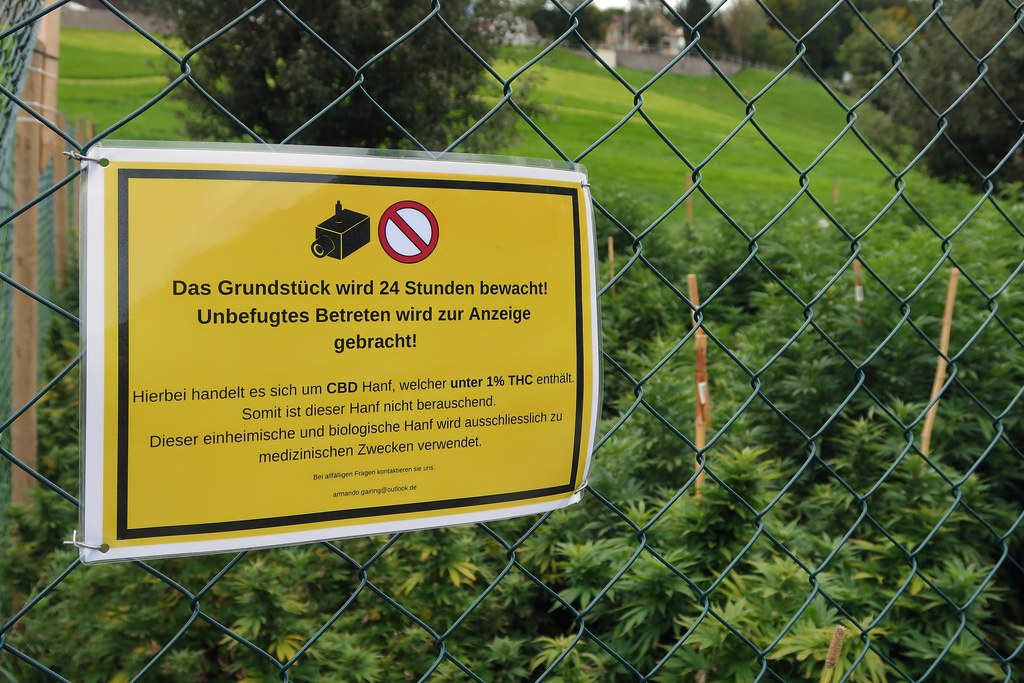
The hemp THC industry is facing significant challenges as it grapples with a looming federal ban. This $28 billion sector is fighting for its survival amid increasing regulatory pressures.
Overview of the Hemp THC Industry
The hemp THC industry has rapidly grown into a significant market, valued at approximately $28 billion. This expansion has been fueled by the increasing acceptance of hemp-derived products across various sectors, including wellness and recreation. However, the industry now faces an unprecedented challenge as federal regulations threaten to impose strict bans on hemp THC products.
Proponents argue that these regulations could stifle innovation and limit consumer access to beneficial products. The industry relies heavily on the following key elements:
- Consumer Awareness: Education about the benefits of hemp THC is crucial.
- Quality Standards: Ensuring product safety and consistency is a priority.
- Regulatory Compliance: Adapting to changing laws to maintain market stability.
As the battle against federal restrictions intensifies, the future of the hemp THC industry hangs in the balance.
Impact of Federal Regulations
The hemp THC industry faces significant challenges due to impending federal regulations. These regulations threaten to disrupt a market that has rapidly grown to an estimated $28 billion. As lawmakers consider stricter guidelines, industry stakeholders express deep concerns about the future of their businesses.
Many producers and retailers fear that a federal ban would not only stifle innovation but also eliminate jobs and reduce access for consumers. The impact of such regulations could be profound, affecting everything from local economies to agricultural practices.
Key issues at stake include:
- Job Losses: Thousands of jobs could be at risk.
- Market Stability: Uncertain regulations lead to market volatility.
- Consumer Access: Patients and consumers may face reduced access to hemp THC products.
The fight to maintain a thriving hemp THC industry is ongoing and critical for many stakeholders.
Current Market Trends
The hemp THC industry is currently facing significant challenges as it navigates a rapidly changing market landscape. With increasing consumer demand for hemp-derived products, the industry has seen substantial growth, projected to reach $28 billion. However, this expansion is threatened by potential federal bans that could disrupt market stability.
Key trends influencing the hemp THC market include:
- Product Diversification: Companies are expanding their offerings to include a variety of hemp-derived products, attracting a broader consumer base.
- Consumer Education: Increased awareness about the benefits of hemp THC products has led to higher sales, as consumers seek alternative wellness solutions.
- Investment Opportunities: As the market grows, more investors are looking for opportunities within the hemp THC sector, driving innovation and competition.
Despite its potential, the future of the hemp THC industry remains uncertain as it confronts regulatory hurdles.
Challenges Facing Hemp Producers
The hemp THC industry is currently grappling with numerous challenges that threaten its survival. Producers are facing significant hurdles due to federal regulations that lack clarity and consistency. Many are concerned about the potential for a nationwide ban on hemp-derived THC products, which could cripple their operations.
Key challenges include:
- Regulatory Ambiguity: Conflicting state and federal laws create confusion for producers and consumers alike.
- Market Access: Some retailers are hesitant to stock hemp THC products due to legal uncertainties.
- Consumer Education: There is a pressing need to inform the public about the differences between hemp THC and marijuana-derived products.
As these challenges persist, many in the hemp THC industry are rallying to advocate for clear regulations that will protect their livelihoods and ensure market viability.
Future of Hemp Legislation
The future of hemp legislation remains uncertain as stakeholders in the hemp THC industry brace for potential federal restrictions. Advocates argue that clear regulations could foster growth and innovation within the sector, while ensuring consumer safety. However, a looming federal ban threatens to stifle progress and undermine years of effort in establishing a robust market.
Experts suggest that the hemp THC industry must unite to push for comprehensive legislation that balances regulation with accessibility. Potential positive outcomes of such legislation include:
- Market Stability: Establishing clear guidelines could help stabilize prices and enhance consumer confidence.
- Increased Research: With federal support, more research could be conducted on the benefits and risks associated with hemp THC.
- Economic Growth: A regulated industry could create jobs and drive economic development in rural areas.
Ultimately, the future of the hemp THC industry will depend on the ability of advocates to effectively influence policymakers.
Consumer Demand for Hemp Products
The consumer demand for hemp products continues to surge, significantly impacting the hemp THC industry. As awareness of the benefits of hemp-derived THC grows, more consumers are seeking alternatives to traditional cannabis products.
Market research indicates that:
- Health Benefits: Many consumers are turning to hemp products for their potential therapeutic effects, including pain relief and anxiety reduction.
- Diverse Offerings: The industry is witnessing a rise in various formats, such as edibles, tinctures, and topicals, catering to different consumer preferences.
- Accessibility: Hemp products are often more accessible than traditional marijuana, attracting a broader audience.
Despite challenges posed by federal regulations, the increasing demand underscores the resilience of the hemp THC industry. As consumers continue to embrace these products, the industry is pushing for greater acceptance and clarity in legislation.
Advocacy Efforts to Save the Industry
Advocacy groups representing the hemp THC industry are mobilizing to combat potential federal bans that threaten their livelihoods. With the industry valued at approximately $28 billion, these organizations are emphasizing the importance of responsible regulation rather than outright prohibition.
Key strategies employed by advocates include:
- Lobbying efforts: Engaging lawmakers to highlight the economic benefits of the hemp THC sector.
- Public awareness campaigns: Educating consumers about the safety and benefits of hemp-derived products.
- Coalition building: Uniting stakeholders from various sectors to strengthen their voice against federal restrictions.
As discussions around regulation continue, the advocacy efforts aim to ensure that the hemp THC industry can thrive while adhering to safety standards and promoting responsible consumption.
Potential Outcomes of the Ban
The potential outcomes of the federal ban on the hemp THC industry could be far-reaching and transformative. If the ban is implemented, small businesses and farmers may face severe financial hardships, resulting in job losses and a significant decline in market activity.
Furthermore, consumers may find themselves with limited access to a variety of hemp-derived products, which have gained popularity for their therapeutic benefits. The prohibition could also push the industry underground, complicating regulation and safety measures.
On a broader scale, a federal ban could hamper innovation in the hemp THC industry, stifling research and development efforts. As a result, many stakeholders, including advocates and consumers, are mobilizing to combat the ban, emphasizing the need for responsible regulation rather than outright prohibition.
In summary, the implications of a federal ban could reshape not just the hemp THC industry, but the entire landscape of hemp production in the United States.
By Kecko via Openverse