








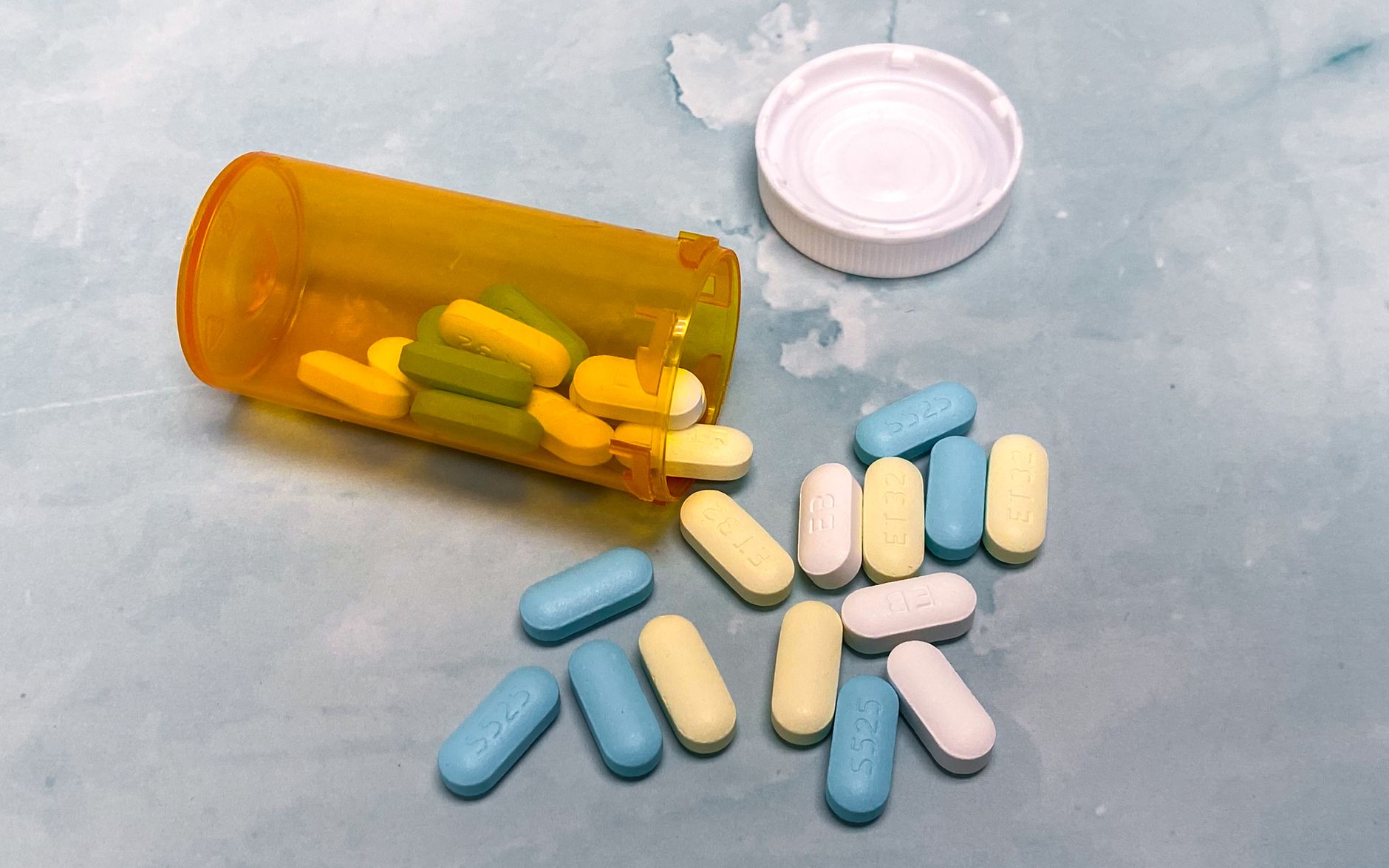
FDA nominee pushback has emerged as a significant issue for the White House, prompting discussions on the next steps to address bipartisan concerns.
Understanding the FDA Nominee Controversy
The nomination of the next leader of the Food and Drug Administration (FDA) has sparked significant controversy, leading to considerable pushback from both sides of the political aisle. This situation reflects deep-seated concerns regarding the nominee’s qualifications and approach to public health issues.
As the Biden administration navigates this complex landscape, understanding the various factors at play is essential. Key points of contention include:
- Public Health Policy: Critics question whether the nominee’s past decisions align with the evolving needs of the nation’s health system.
- Regulatory Experience: Opponents point to a perceived lack of sufficient experience in regulatory matters that the FDA handles.
- Bipartisan Concerns: The nominee faces pushback not only from Republicans but also from some Democrats, highlighting a rare moment of unity in skepticism.
In light of this bipartisan pushback, the White House is weighing its options, considering whether to stand firm on the nomination, seek a compromise candidate, or delay the decision altogether. The outcome will significantly impact the FDA’s direction and its ability to respond to pressing health crises.
Bipartisan Concerns Explained
In recent weeks, the FDA nominee has faced significant bipartisan pushback, raising questions about the future of the appointment. Lawmakers from both sides of the aisle have expressed concerns regarding the nominee’s qualifications and past actions, leading to a contentious dialogue in Congress.
Key issues contributing to this pushback include:
- Regulatory Experience: Critics argue that the nominee’s background lacks sufficient experience in regulatory affairs, which is essential for leading such a critical agency.
- Industry Connections: There are apprehensions about potential conflicts of interest due to previous ties to pharmaceutical companies, prompting calls for a more transparent vetting process.
- Public Health Record: Some lawmakers question the nominee’s record on public health issues, particularly during the COVID-19 pandemic, where decisive leadership was paramount.
As the Biden administration weighs its next steps, it will need to address these bipartisan concerns to move forward effectively. Navigating this pushback will be critical not only for the nominee’s confirmation but also for restoring confidence in the FDA’s leadership during a pivotal time for public health policy.
Next Steps for the White House
As the Biden administration navigates the challenges surrounding its FDA nominee, the White House is faced with several strategic decisions to address the ongoing FDA nominee pushback. With bipartisan concerns mounting, officials are considering a multifaceted approach to move forward.
First, it is crucial for the administration to engage in open dialogue with key stakeholders, including both Republican and Democratic lawmakers. This engagement may involve:
- Hosting meetings with influential senators to discuss their reservations
- Soliciting feedback from public health experts and advocacy groups
- Clarifying the nominee’s vision for the future of the FDA
Additionally, the White House may need to reassess the nominee’s qualifications or previous statements to address specific points of contention. By demonstrating a willingness to adapt and respond to concerns, the administration can foster a more favorable environment for the nominee’s confirmation.
Moreover, leveraging public opinion could play a significant role in shaping the narrative around the nominee. The White House might consider launching a campaign highlighting the nominee’s strengths and the importance of swift FDA leadership in addressing pressing public health issues.
Impact on Health Policy
The ongoing FDA nominee pushback is poised to significantly impact health policy in the United States. As the Biden administration navigates this controversy, the implications are far-reaching for both regulatory practices and public health outcomes.
First and foremost, the delay in confirming a new FDA leader has raised concerns about the agency’s ability to respond to pressing health issues, such as drug approvals and public safety regulations. Stakeholders fear that without strong leadership, critical initiatives may stall, hindering advancements in medical innovation and safety protocols.
Moreover, the bipartisan nature of the pushback underscores a growing concern among lawmakers regarding the nominee’s qualifications and stance on pharmaceutical regulation. This discontent can compel the administration to reconsider its approach and potentially select a candidate who can bridge the divide between differing political views.
Additionally, the outcome of this nomination process could set a precedent for future FDA appointments, signaling to the public and industry stakeholders the level of scrutiny that nominees will face moving forward.
Ultimately, the resolution of the FDA nominee controversy will not only affect the leadership of the agency but also shape the trajectory of health policy in the coming years, impacting everything from drug pricing to public health initiatives.
Historical Context of FDA Nominations
The history of FDA nominations has often been fraught with political challenges, especially when the nominee’s background raises questions about their ability to navigate the complex landscape of public health. Over the years, several nominees have faced significant pushback, particularly when their ties to the pharmaceutical industry or controversial policy decisions came to light. This historical context is crucial for understanding the current FDA nominee pushback.
In the past, nominations have been scrutinized not only by political opponents but also by advocacy groups concerned about the implications for public health. For instance, during the Obama administration, the nomination of Dr. Margaret Hamburg was met with both support and criticism, reflecting the polarized nature of health policy debates.
Moreover, the Trump administration saw its share of contentious nominations, with some candidates withdrawing due to mounting pressure. These events have set a precedent, leading to heightened expectations for transparency and accountability among FDA nominees.
As the Biden administration navigates this latest nomination, it must take into account the lessons learned from previous confirmations. Understanding the historical context of FDA nominations will be essential in addressing the bipartisan concerns and moving forward with a candidate who can gain broad support.
Responses from Key Senators
In recent days, key senators have voiced their concerns regarding the FDA nominee, reflecting a growing bipartisan pushback that could impact the confirmation process. Both sides of the aisle have expressed reservations, leading to a complex situation for the Biden administration as it navigates this nomination.
Among the notable voices of dissent is Senator Susan Collins, who highlighted the importance of the nominee’s experience and ability to tackle pressing health issues. She stated, “We need a leader at the FDA who can unite our efforts to protect public health.”
On the Democratic side, Senator Joe Manchin has also raised questions, emphasizing the necessity for transparency and accountability in the nomination process. His position signifies a shift in support that could complicate the administration’s plans.
Additionally, Senator Bernie Sanders remarked on the nominee’s previous positions, suggesting that they may not align with the progressive values essential for the FDA’s role in public health. This sentiment echoes a broader concern among Democrats about the nominee’s potential impact on health policy.
The responses from these key senators illustrate the challenges facing the White House as it seeks to address the FDA nominee pushback while ensuring a smooth confirmation process.
Public Opinion on FDA Nominees
As the controversy surrounding the FDA nominee continues to unfold, public opinion appears to be shifting in response to the bipartisan pushback. Many citizens are expressing their concerns regarding the qualifications and the potential influence of the nominee on critical health policies.
Recent polls indicate that a significant portion of the American public is apprehensive about the nominee’s ability to navigate complex health issues effectively. The following sentiments have been highlighted:
- Trust in Leadership: A majority of respondents believe that the FDA nominee should possess extensive experience in public health and regulatory affairs.
- Transparency: Many voters are calling for greater transparency in the nomination process, emphasizing the need for clear communication from the White House.
- Public Health Impact: Concerns about how the nominee’s policies may affect ongoing public health initiatives have also been raised.
Additionally, some advocacy groups are mobilizing to ensure that the nominee’s track record is thoroughly scrutinized. The FDA nominee pushback reflects broader anxieties regarding governance and accountability in health-related matters. As the Biden administration weighs its next steps, it will need to consider these public sentiments carefully to foster trust and confidence in its leadership.
Future Implications for the Administration
The recent FDA nominee pushback raises significant implications for the Biden administration as it navigates the complexities of healthcare leadership during a critical time. The controversy surrounding the nomination has not only stalled the confirmation process but has also highlighted the increasing scrutiny from both sides of the political aisle.
As the administration considers its next steps, it must weigh several factors:
- Strategic Communication: The White House needs to effectively communicate the nominee’s qualifications and vision for the FDA to regain bipartisan trust.
- Reassessing Priorities: There may be a need to revisit the administration’s health policy priorities to align more closely with the concerns raised by senators.
- Engagement with Stakeholders: Increased dialogue with key stakeholders, including healthcare professionals and patient advocacy groups, could help mitigate some of the pushback.
- Potential Alternatives: The administration might consider alternative candidates who could have broader bipartisan support, ensuring a smoother confirmation process.
Ultimately, the outcome of this situation will likely influence the Biden administration’s approach to health policy and governance moving forward, making it a pivotal moment in the current political landscape.
The ongoing FDA nominee pushback has raised significant questions about the administration’s approach to regulatory appointments. As the Senate prepares to address the FDA nominee pushback, Biden must outline a clear strategy to move forward.
Photo by Etatics Inc. on Pexels
Where this came from
You might also like
AI exploits security patches: The worst threat revealed · Spinners Bowling Yorkers: The Right Techniques for Success · Air India payment partnership: The Smart Solution for Travel Agencies