






Engineered rice disease resistance is making headlines as scientists develop a new variety that can combat a devastating crop disease. This breakthrough promises to safeguard food security and enhance agricultural resilience.
What is Engineered Rice?
Engineered rice is a groundbreaking approach in agricultural biotechnology aimed at enhancing crop resilience, particularly against diseases that threaten yield and food security. By employing advanced genetic engineering techniques, scientists are able to introduce specific traits into rice plants that bolster their defenses against various pathogens.
One of the most significant advancements in this field is the development of engineered rice disease resistance. Researchers have successfully modified the genetic makeup of rice to produce proteins that can effectively combat specific pathogens. This not only helps in reducing crop losses but also minimizes the need for chemical pesticides, making farming more sustainable.
Key features of engineered rice include:
- Enhanced Resistance: Improved capability to withstand common rice diseases.
- Increased Yield: Higher productivity due to reduced disease impact.
- Sustainability: Lower reliance on chemical treatments, promoting environmental health.
As scientists continue to refine these genetic modifications, engineered rice holds promise for transforming agricultural practices and ensuring food security in the face of changing climate and rising global populations.
The Science Behind Disease Resistance
The development of engineered rice disease resistance is rooted in advanced genetic engineering techniques that enhance the plant’s ability to withstand specific pathogens. Researchers have identified key genes responsible for natural disease resistance in wild rice varieties. By incorporating these genes into commercially viable rice strains, scientists aim to create a resilient crop capable of withstanding threats from devastating diseases.
In the lab, scientists use techniques such as CRISPR-Cas9, a powerful tool for editing genes with precision. This method allows for the targeted alteration of rice DNA, enabling the introduction of traits that bolster disease resistance. The result is rice that not only survives but thrives in the face of challenges posed by diseases like bacterial blight and rice blast.
In trials, engineered rice has exhibited enhanced resistance, demonstrating a significant reduction in disease severity compared to traditional varieties. This advancement could lead to more reliable harvests and less reliance on chemical pesticides, promoting sustainable agricultural practices.
As the global population continues to grow, the need for resilient crops becomes increasingly critical. Engineered rice disease resistance represents a promising solution for securing food security in the future.
Impact on Global Agriculture
The introduction of engineered rice disease resistance has the potential to transform global agriculture significantly. As rice is a staple food for over half the world’s population, any advancements in its resilience can have far-reaching implications.
Farmers in regions prone to devastating diseases stand to benefit the most. With engineered rice, they can expect:
- Reduced Crop Loss: Enhanced disease resistance means fewer losses to pathogens, leading to more stable yields.
- Increased Food Security: With higher productivity, communities can ensure a more reliable food supply, especially in vulnerable areas.
- Economic Stability: Farmers can save on costs associated with disease management, allowing for reinvestment in their operations.
- Environmental Benefits: By reducing the need for chemical pesticides, engineered rice supports sustainable farming practices that protect ecosystems.
Moreover, the adoption of this technology can stimulate research and development in other crops, promoting a broader movement towards genetically engineered solutions to combat agricultural challenges.
Benefits for Farmers
The introduction of engineered rice disease resistance offers significant advantages for farmers facing the relentless threat of crop diseases. By incorporating specific genetic traits, this innovative rice is better equipped to withstand pathogens that can devastate yields.
- Increased Yields: Farmers can expect a notable rise in rice production, as engineered varieties are less likely to succumb to diseases that typically reduce output.
- Reduced Crop Loss: With enhanced resistance, the risk of losing entire harvests to disease is significantly diminished, providing farmers with more stability and security.
- Lower Chemical Usage: Engineered rice can decrease the need for pesticides and fungicides, leading to cost savings and a reduced environmental impact.
- Adaptability: These rice varieties can be tailored to specific regional challenges, offering a customized solution that meets local farming needs.
- Improved Food Security: By increasing the reliability of rice production, engineered rice disease resistance plays a crucial role in ensuring food availability for growing populations.
As a result, farmers adopting these advancements stand to benefit greatly, both economically and environmentally, paving the way for a more sustainable agricultural future.
Challenges in Crop Engineering
Despite the promising advancements in engineered rice disease resistance, several challenges remain in the field of crop engineering. These obstacles can hinder the widespread adoption of this innovative technology.
- Regulatory Hurdles: The approval process for genetically modified organisms (GMOs) can be lengthy and complex, delaying the introduction of engineered rice varieties to farmers.
- Public Perception: Consumer skepticism surrounding GMOs may affect market acceptance. Educating the public on the safety and benefits of engineered rice is essential.
- Environmental Concerns: The long-term ecological impact of engineered crops is still under study, raising questions about potential effects on biodiversity and soil health.
- Economic Factors: The cost of developing and implementing engineered rice can be high, which may deter smallholder farmers from adopting these varieties.
- Pathogen Evolution: As crops become resistant to certain diseases, pathogens may evolve, necessitating ongoing research and development to stay ahead.
Addressing these challenges is crucial for maximizing the potential of engineered rice disease resistance in securing global food supplies.
Future of Engineered Rice
The future of engineered rice looks promising as researchers continue to develop innovative solutions to combat crop diseases. With the global demand for rice steadily increasing, the need for disease-resistant varieties has never been more critical. Engineered rice disease resistance provides farmers with the tools necessary to protect their crops, ensuring food security for millions around the world.
As advancements in genetic engineering and biotechnology progress, scientists are exploring new techniques to enhance the resilience of rice plants. These methods not only aim to strengthen the plants’ natural defenses but also seek to improve their adaptability to changing environmental conditions.
- Increased Yields: Engineered rice varieties are expected to produce higher yields, significantly benefiting farmers.
- Reduced Pesticide Use: By enhancing disease resistance, reliance on chemical pesticides may decrease, promoting a healthier ecosystem.
- Economic Stability: Farmers can experience more stable incomes as crop losses due to diseases diminish.
As research in this field evolves, the potential for engineered rice to reshape agriculture and safeguard food supplies continues to grow, paving the way for a sustainable future.
How This Breakthrough Works
The breakthrough in engineered rice disease resistance hinges on advanced genetic modifications that enhance the plant’s natural defense mechanisms. By identifying specific genes responsible for immune responses, scientists can insert these genes into rice varieties, providing them with the ability to combat pathogens more effectively.
One of the methods utilized in this process is CRISPR-Cas9, a revolutionary gene-editing tool that allows precise alterations in the rice genome. This technology enables researchers to selectively enhance traits that confer resistance to diseases such as Rice Blast and bacterial blight. Through the introduction of these engineered traits, the rice plants not only withstand infections but also reduce the reliance on chemical pesticides, promoting a healthier ecosystem.
Furthermore, these engineered rice varieties are designed to thrive in diverse environmental conditions, making them suitable for various agricultural settings. By integrating disease resistance at the genetic level, farmers can expect higher yields and improved food security, creating a robust response to the challenges posed by crop diseases.
Real-World Applications
Engineered rice with disease resistance is gaining traction in real-world agricultural practices, demonstrating its potential to revolutionize crop management. Farmers across various regions are beginning to adopt these innovative rice varieties, leading to significant improvements in yield and quality.
In regions where rice blast disease poses a significant threat, engineered rice varieties have shown remarkable resilience. For instance, trials conducted in Southeast Asia revealed that these rice plants can withstand up to 80% of infection rates compared to traditional strains. This advancement not only secures the harvest but also boosts the livelihoods of farmers who rely on rice as their primary source of income.
Moreover, the adoption of engineered rice has led to a reduction in pesticide use, promoting environmentally sustainable practices. Farmers report lower input costs and healthier ecosystems, as fewer chemicals result in less soil and water contamination.
- Field Trials: Successful implementations have been reported in countries like Vietnam and Bangladesh.
- Farmer Training: Education programs are being developed to help farmers effectively utilize these engineered varieties.
- Community Impact: Local communities are witnessing improved food security as disease-resistant rice becomes more prevalent.
Researchers are optimistic that engineered rice disease resistance will revolutionize the way we approach crop health. This breakthrough technology not only enhances yield but also ensures food security in regions vulnerable to plant diseases.
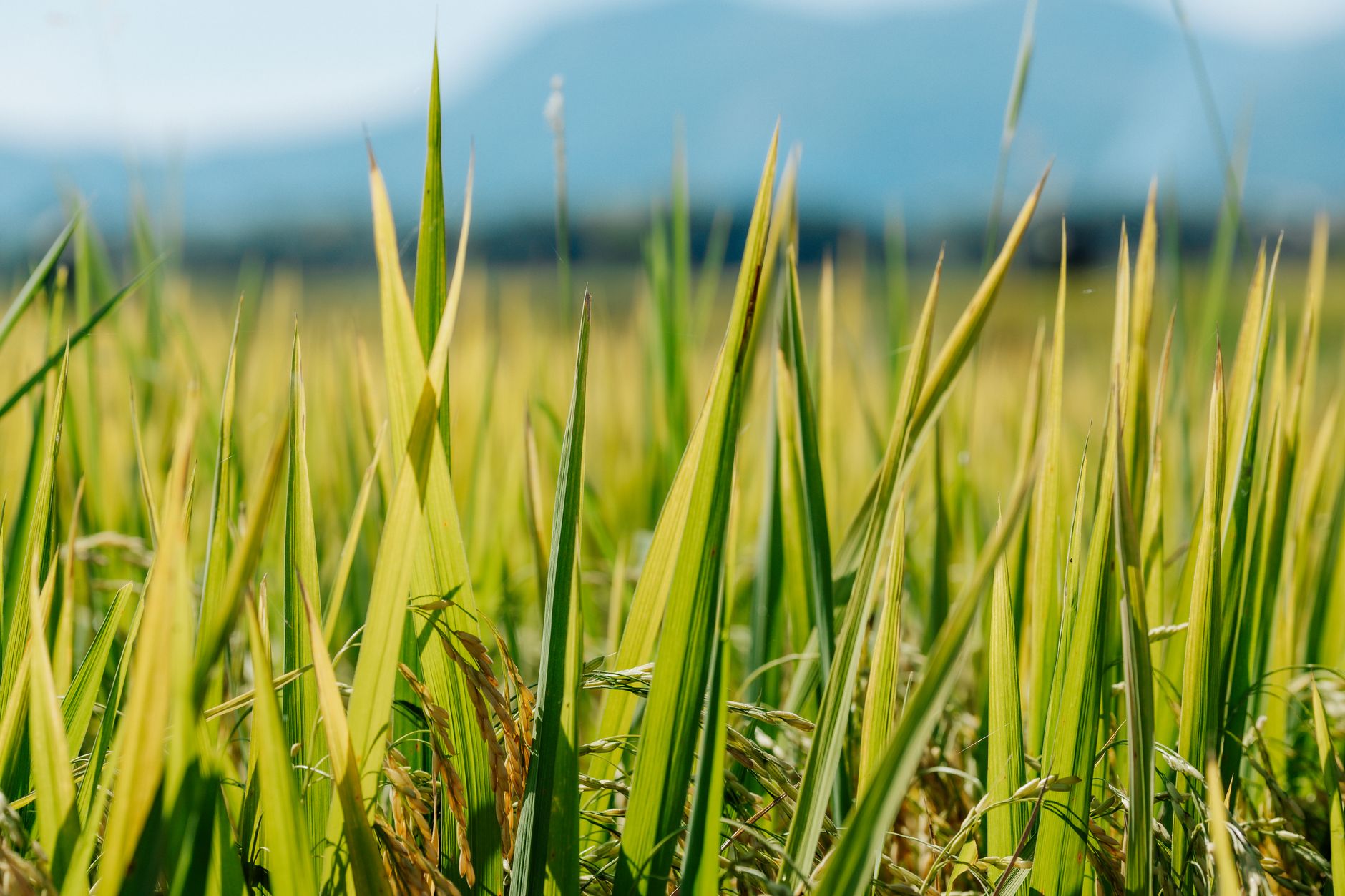
Photo by Thái Trường Giang on Pexels