








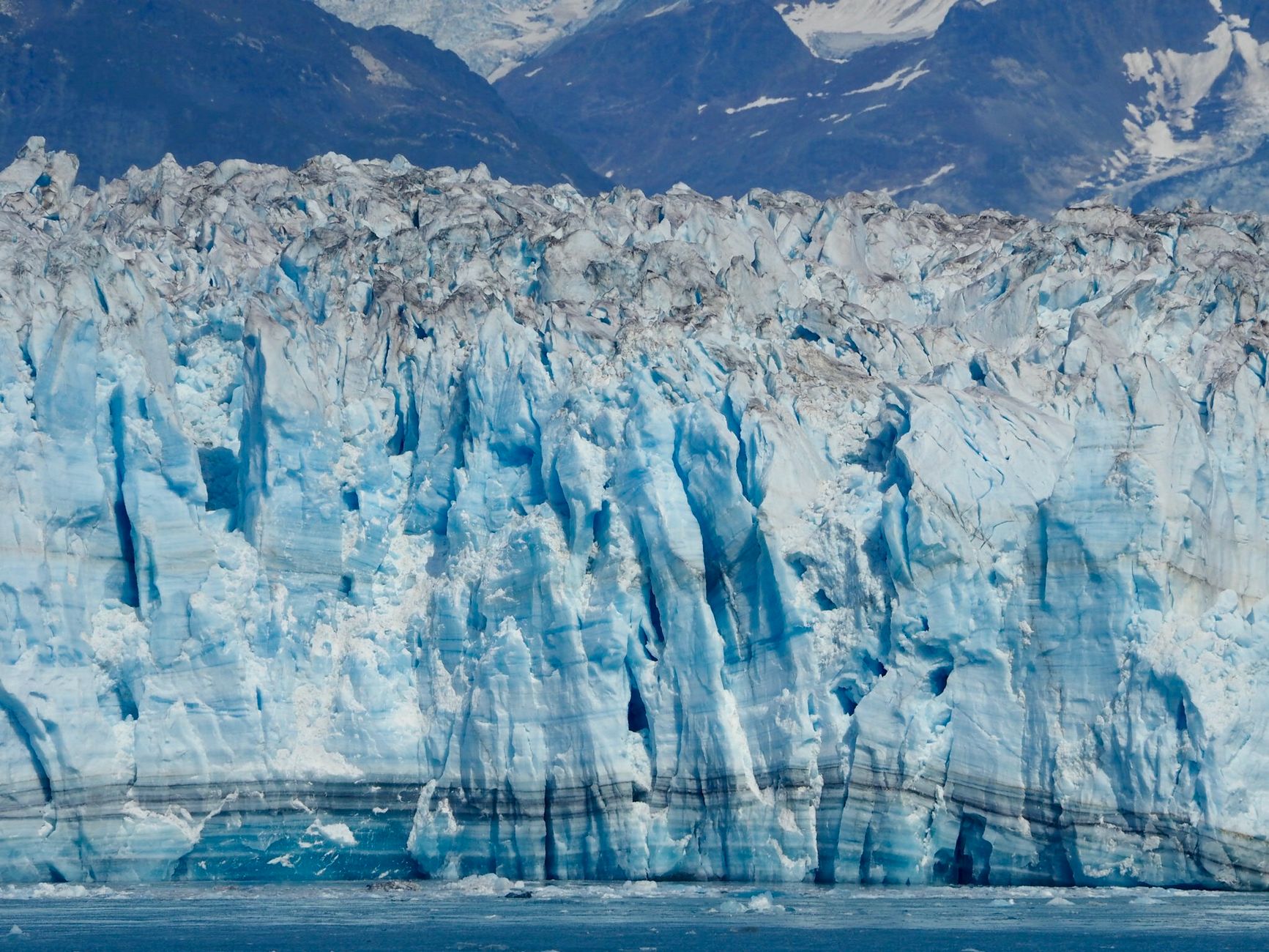
Alaska turning blue is becoming a hot topic as Republicans fret over Sullivan’s path to reelection. With changing political dynamics, the state may be shifting away from traditional party lines.
Current Political Climate in Alaska
The current political climate in Alaska is shifting, with many observers noting that Alaska is turning blue. This trend has raised concerns among Republican leaders, particularly regarding Senator Dan Sullivan’s path to reelection.
Recent polls indicate a growing preference for Democratic candidates, highlighting a few key factors:
- Demographic Changes: An influx of younger voters and diverse communities has altered the electorate’s makeup.
- Economic Issues: Alaskans are increasingly focused on economic stability and environmental policies, areas where Democratic candidates have gained traction.
- National Trends: The national political landscape is influencing local dynamics, with increased voter engagement among traditionally underrepresented groups.
As the election approaches, Sullivan must navigate these challenges carefully to secure his position in a potentially transforming political landscape.
Republican Concerns Over Reelection
As the political landscape in Alaska shifts, concerns are mounting among Republican circles regarding Senator Dan Sullivan’s path to reelection. With recent polling indicating a potential lean toward Democratic candidates, many party members are voicing their apprehensions about Alaska turning blue.
Key issues driving this sentiment include:
- Voter Engagement: Increased mobilization efforts from Democratic groups have energized younger voters.
- Economic Challenges: Rising costs and economic instability are prompting residents to reconsider their political loyalties.
- Environmental Policies: Alaska’s unique environmental concerns are becoming a focal point for voters, with many favoring progressive reforms.
As Alaska’s political dynamics evolve, Republicans like Sullivan must adapt to survive in an increasingly competitive landscape.
Voter Sentiment Shifts
Recent polls indicate a significant shift in voter sentiment across Alaska, leading many to believe that Alaska is turning blue. This change is attributed to a growing dissatisfaction with current leadership and a desire for new policies that address pressing issues such as climate change, healthcare, and economic diversification.
Key factors influencing this shift include:
- Declining Approval Ratings: Many Alaskan voters express frustration over Senator Sullivan’s handling of local issues.
- Increased Democratic Engagement: Grassroots movements are mobilizing voters, especially among younger demographics.
- Concerns Over National Policies: Residents are increasingly wary of national Republican stances that do not align with state interests.
The combination of these elements poses a formidable challenge for Sullivan as he seeks to secure his seat in the upcoming election.
Implications for Future Elections
The recent shifts in voter sentiment have significant implications for future elections in Alaska. With many observers noting that Alaska is turning blue, the traditional Republican stronghold may face unprecedented challenges. Key factors influencing this transformation include:
- Demographic Changes: An influx of younger, more progressive voters is reshaping the electorate.
- Political Engagement: Increased grassroots activism has mobilized previously apathetic voters, particularly around issues like climate change and social justice.
- Candidate Appeal: As candidates adapt their platforms to resonate with evolving voter priorities, those who fail to connect may struggle to maintain support.
If current trends continue, Republicans will need to reassess their strategies to counter the momentum of a potentially bluer Alaska in upcoming elections.
As the political landscape shifts, many are concerned about Alaska turning blue and what that means for Republican incumbents. The implications of Alaska turning blue could reshape the state’s future and influence national elections.
Photo by Timon Cornelissen on Pexels
Read the original
Related stories
Canadian CEO pay increase: The Worst Rise Since 2022 · Hyundai Motor India Investment: Rs 11,000 Crore Plan · Top business stories: Today’s must-read updates