








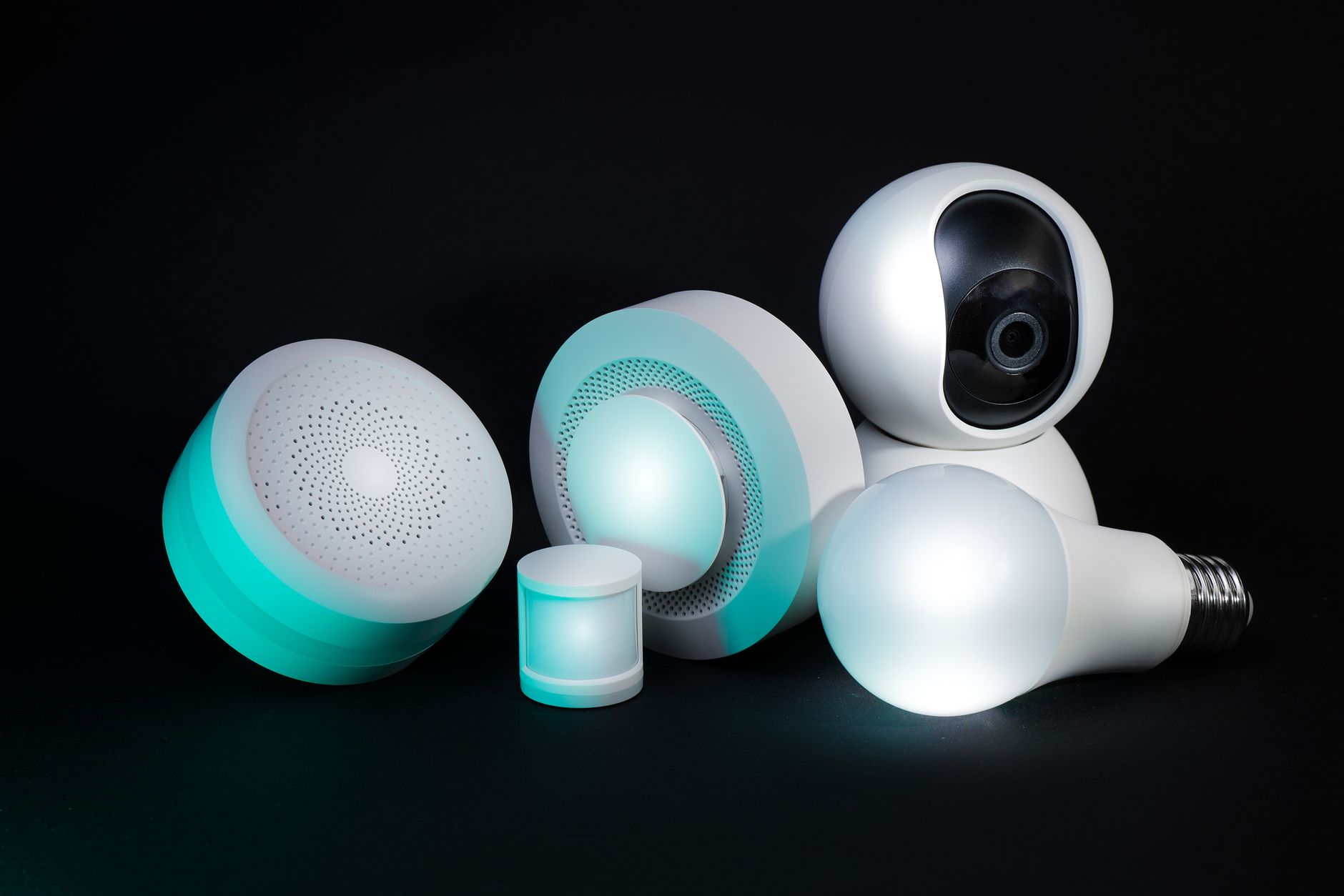
Microwave sensor information is transforming how we capture data, thanks to engineered atomic interactions that enhance performance dramatically.
What are microwave sensors?
Microwave sensors are advanced devices designed to detect and measure microwave radiation. These sensors operate by utilizing microwave frequencies, which allows them to capture detailed information about various objects and environments. Unlike traditional sensors, microwave sensors can penetrate through materials such as fog, dust, and smoke, making them highly effective in diverse conditions.
One of the key features of microwave sensors is their ability to operate in real-time, providing immediate feedback and data analysis. This capability makes them ideal for applications in fields like automotive technology, security systems, and environmental monitoring.
The recent advancements in engineered atomic interactions have significantly enhanced the performance of microwave sensors. They can now capture three times as much information compared to earlier models, leading to improved accuracy and reliability. As researchers continue to innovate, microwave sensor information is becoming increasingly valuable, raising questions about whether this technology is the best proven option in its field.
How engineered atomic interactions work
Engineered atomic interactions play a crucial role in enhancing the capabilities of microwave sensors. These sensors utilize the principles of quantum mechanics to manipulate atomic states, allowing them to capture and process information with remarkable efficiency. By finely tuning the interactions among atoms, researchers can optimize the response of microwave sensors, enabling them to detect a wider range of signals.
One significant advancement in this area is the development of techniques that increase the sensitivity of microwave sensors, leading to a threefold increase in the amount of information captured. This improvement stems from the ability to control the energy levels of atoms, which enhances signal clarity and reduces noise interference.
As engineers continue to refine these atomic interactions, the potential applications for microwave sensors expand significantly, ranging from telecommunications to environmental monitoring. The advancements in microwave sensor information suggest that this technology is not only viable but may also set new standards in precision and reliability.
Benefits of enhanced data capture
The advancements in microwave sensor technology offer several benefits that enhance data capture significantly. With the ability to gather more information than ever before, these sensors are proving to be a game-changer in various applications.
- Increased Precision: Microwave sensors provide precise measurements, allowing for more accurate data collection in diverse environments.
- Broader Range: The enhanced capability enables the detection of a wider range of signals, which is crucial for applications in communications and environmental monitoring.
- Real-time Data Processing: These sensors can process information in real-time, facilitating immediate decision-making and responsiveness, especially in critical situations.
- Improved Versatility: Microwave sensors can be adapted for various uses, from industrial monitoring to smart home applications, making them a flexible choice for many industries.
Overall, the benefits of enhanced data capture through microwave sensors not only improve existing systems but also open doors to new possibilities in technology and innovation.
Applications of microwave sensors
Microwave sensors have a wide range of applications across various industries, showcasing their versatility and effectiveness. These sensors utilize advanced technology to capture data more efficiently, making them invaluable in numerous settings.
- Automotive Industry: Microwave sensors are instrumental in enhancing vehicle safety features, such as adaptive cruise control and collision avoidance systems.
- Healthcare: In medical applications, they are used for monitoring patient vitals and detecting movements, ensuring timely interventions.
- Smart Home Technology: These sensors enable automated systems that adjust lighting and heating based on occupancy, increasing energy efficiency.
- Aerospace: In aviation, microwave sensors play a critical role in radar systems, providing crucial information for navigation and safety.
- Industrial Automation: They are used in manufacturing processes to monitor equipment performance and ensure quality control.
Overall, microwave sensor information indicates a growing trend towards reliance on this technology for enhanced data collection and operational efficiency.
Future of microwave sensor technology
The future of microwave sensor technology appears promising, as advancements continue to enhance their capabilities and applications. With engineered atomic interactions improving data capture, the potential for these sensors to revolutionize various industries is significant. As research progresses, we can expect new innovations that further increase the sensitivity and accuracy of microwave sensors.
Experts predict that the integration of artificial intelligence and machine learning will play a crucial role in optimizing microwave sensor information. These technologies can analyze vast amounts of data, enabling real-time decision-making and predictive analytics.
Additionally, the move towards smart cities and automated systems will likely drive demand for robust microwave sensors. As infrastructure evolves, their role in traffic management, environmental monitoring, and public safety will expand.
In conclusion, microwave sensors stand on the brink of a technological leap, with continued research and development positioning them as a vital tool for future applications.
Comparing traditional sensors
When evaluating microwave sensor information, it’s essential to compare these devices with traditional sensors. Traditional sensors, such as infrared and ultrasonic, have been widely used across various applications. However, they come with limitations in terms of data capture and environmental adaptability.
- Infrared Sensors: These sensors primarily rely on detecting heat emitted from objects. While effective in certain settings, they can struggle in direct sunlight or obstructed views.
- Ultrasonic Sensors: Utilizing sound waves, these sensors are useful for distance measurement. Yet, their performance can be hindered by temperature fluctuations and obstacles in the path of the sound waves.
- Microwave Sensors: In contrast, microwave sensors offer superior capabilities, such as enhanced penetration through various materials and less sensitivity to environmental conditions.
This comparison highlights the advantages of microwave sensors, particularly their ability to capture three times as much information, making them a more robust choice for many applications.
Recent advancements in sensor technology
Recent advancements in sensor technology have significantly improved the performance and capabilities of microwave sensors. Innovations in engineered atomic interactions have allowed these devices to capture three times as much information compared to previous models. This increase in sensitivity and data accuracy positions microwave sensor information at the forefront of technological development.
One of the key breakthroughs involves the use of advanced materials that enhance the interaction between microwaves and their environment. These materials enable a more precise measurement of various physical parameters, thereby expanding the potential applications of microwave sensors.
Additionally, integration with artificial intelligence and machine learning has enabled real-time data analysis, further optimizing sensor performance. This combination of technologies not only enhances data capture but also improves decision-making processes in various industries such as automotive, healthcare, and environmental monitoring.
As microwave sensor technology continues to evolve, its role in modern sensor applications is likely to grow, paving the way for smarter, more efficient systems.
When considering the effectiveness of various detection technologies, microwave sensor information plays a crucial role in understanding their capabilities. Additionally, analyzing microwave sensor information can help determine if it truly stands out as the best proven technology in the market.
Photo by Jakub Zerdzicki on Pexels