







Climate reality is becoming a pressing issue as the old COP agenda struggles to keep pace with current environmental challenges. Policymakers are now faced with adapting to this new climate landscape.
Understanding Climate Reality
The ongoing discussions surrounding the COP agenda have increasingly been overshadowed by the stark climate reality facing the world today. As countries gather to negotiate solutions, they must confront a rapidly changing environment that often seems to outpace policy efforts.
Experts warn that the traditional frameworks for addressing climate change may no longer be sufficient. Key factors influencing this shift include:
- Extreme Weather Events: The frequency and intensity of storms, droughts, and heatwaves are on the rise, leading to significant economic and social impacts.
- Melting Ice Caps: The alarming rate at which polar ice is melting contributes to rising sea levels, threatening coastal communities worldwide.
- Loss of Biodiversity: Ecosystems are under immense pressure, resulting in species extinction and diminished natural resources.
As the world grapples with these challenges, the need for a revamped approach to the COP agenda becomes increasingly evident. Recognizing the new climate reality is essential for effective global cooperation and sustained progress.
The Evolution of the COP Agenda
The evolution of the COP agenda reflects the growing urgency of addressing climate reality. Initially, the Conference of the Parties (COP) focused on setting long-term goals and frameworks for reducing greenhouse gas emissions. However, as scientific evidence mounts and the consequences of climate change become increasingly apparent, the agenda has shifted significantly.
Recent COP meetings have highlighted several key themes:
- Immediate Action: There is a pressing need for countries to implement policies that lead to rapid emissions reductions.
- Equity: The agenda now emphasizes the importance of equitable solutions, particularly for developing nations that are disproportionately affected by climate change.
- Adaptation: Increasing focus is placed on adapting to the impacts of climate change, rather than solely preventing it.
- Collaboration: International cooperation is deemed essential to tackle this global challenge effectively.
As the world grapples with this new climate reality, the COP agenda continues to evolve, striving to meet the demands of a rapidly changing environment.
Key Challenges Ahead
The upcoming COP agenda faces significant hurdles as the world grapples with a new climate reality. This evolving situation presents a series of challenges that delegates must address effectively to make meaningful progress.
- Inadequate Emission Reduction Targets: Many countries are still falling short of their commitments, which undermines the collective effort to combat climate change.
- Funding and Resources: Developing nations often lack the financial support needed to implement sustainable practices, creating an imbalance in global efforts.
- Public Awareness and Engagement: There is a growing need to educate the public about the impacts of climate change, as widespread apathy can hinder action.
- Political Will: The intersection of climate policies with domestic politics can create barriers, making it difficult to achieve consensus among nations.
As negotiators prepare for discussions, acknowledging these challenges is crucial for adapting the COP agenda to our current climate reality and ensuring that collective goals are not only set but also achieved.
Impact on Global Policies
The impact of climate reality on global policies is becoming increasingly evident as nations grapple with the urgency of the climate crisis. Policymakers are now faced with difficult decisions that challenge existing frameworks and commitments.
In recent years, climate reality has shifted significantly, leading to a reevaluation of strategies designed to mitigate its effects. Governments are compelled to:
- Adapt regulations: New scientific data necessitates changes in environmental laws and policies.
- Increase funding: Financial investments in renewable energy and sustainable practices are essential to meet current demands.
- Enhance global cooperation: Nations must work collaboratively to address transboundary climate issues, recognizing that no country can solve this crisis alone.
Moreover, the failure to align international agreements with the realities of climate change could result in severe consequences, including economic instability and increased social unrest. As climate reality continues to outrun the old COP agenda, it is crucial that policymakers prioritize effective solutions to ensure a sustainable future for all.
Public Response to Climate Change
The increasing severity of climate change has prompted a significant public response, highlighting the urgency of addressing climate reality. Citizens around the globe are becoming more aware of the consequences of inaction, leading to a surge in activism and advocacy.
Recent surveys indicate that a majority of people now view climate change as a pressing issue that demands immediate action. This shift in public perception is reflected in various forms of engagement, including:
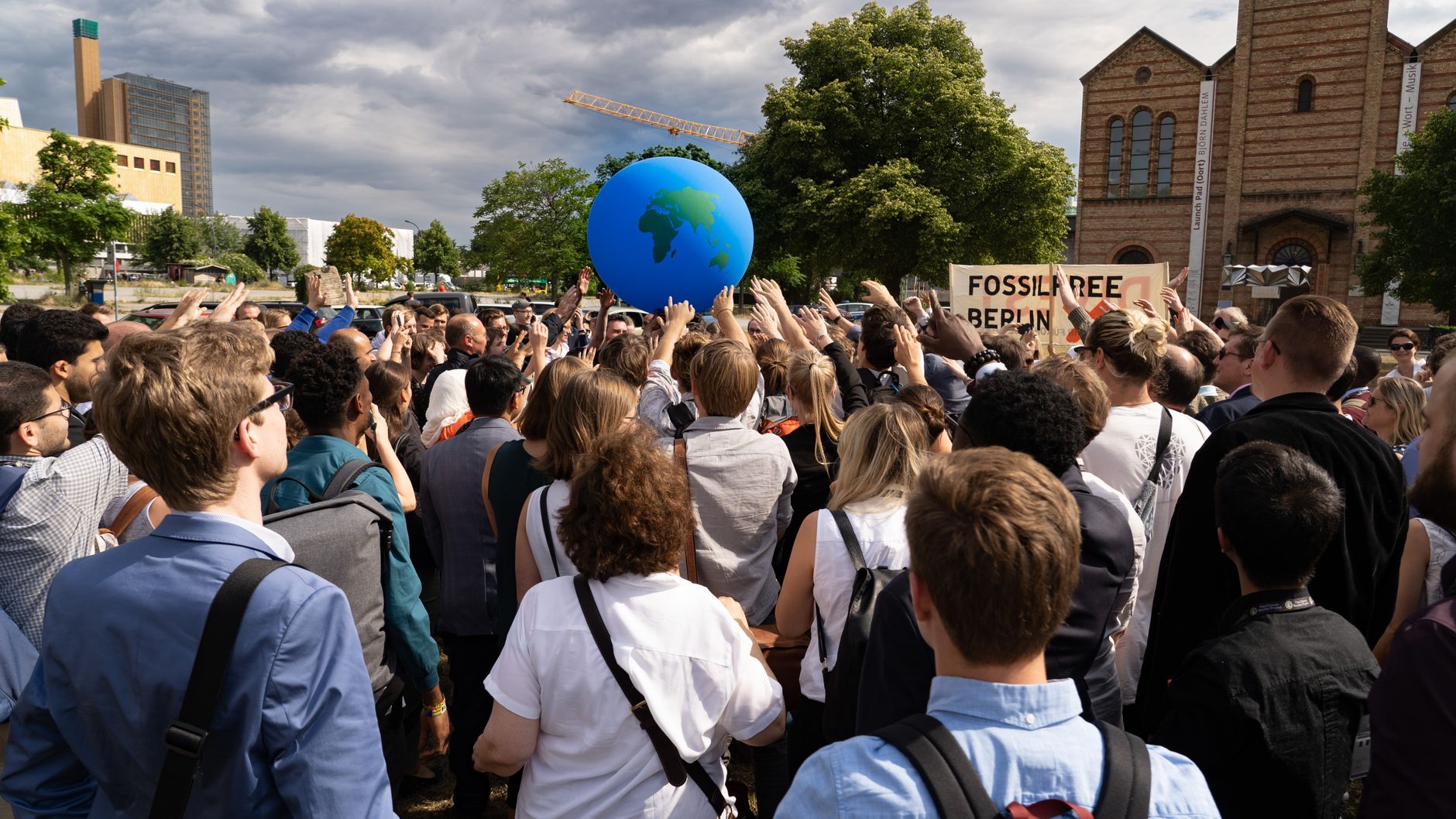
- Protests and demonstrations in major cities, where individuals rally for stronger climate policies.
- Grassroots initiatives aimed at educating local communities about sustainable practices and climate adaptation.
- Social media campaigns that raise awareness and mobilize support for climate-related causes.
Moreover, there is a growing demand for accountability from governments and corporations. Many citizens are calling for transparency in climate commitments and urging leaders to prioritize environmental sustainability over short-term economic gains. The public’s response underscores the importance of aligning the COP agenda with the realities of climate change, ensuring that effective solutions are pursued without delay.
Innovative Solutions Emerging
As the global community grapples with the stark climate reality, innovative solutions are emerging to address the challenges outlined in the COP agenda. Various stakeholders, from governments to private enterprises, are recognizing the need for transformative approaches to mitigate the effects of climate change.
Several key innovations are gaining traction:
- Renewable Energy Technologies: Advancements in solar, wind, and other renewable sources are becoming more efficient and cost-effective, paving the way for a transition away from fossil fuels.
- Carbon Capture and Storage: Techniques to capture carbon emissions from industrial sources are evolving, providing a potential pathway to reduce atmospheric CO2 levels.
- Circular Economy Models: Emphasizing sustainability, these models aim to minimize waste through reusing and recycling materials, promoting a more sustainable economic framework.
- Climate-Resilient Infrastructure: Investments in infrastructure that can withstand the impacts of climate change are becoming crucial for urban planning and development.
These innovative solutions represent a shift towards a more proactive stance on adapting to our new climate reality, underscoring the urgency of action in upcoming COP discussions.
Future of Climate Negotiations
The future of climate negotiations is increasingly shaped by what many refer to as the new climate reality. As the impacts of climate change become more pronounced, the existing COP agenda is being challenged to adapt swiftly to these evolving conditions. The traditional frameworks, which once served as the foundation for global discussions, are now seen as insufficient in addressing the urgency of climate-related crises.
Global leaders must now focus on integrating innovative strategies that reflect this climate reality. This includes:
- Enhancing collaborative efforts among nations to share technologies and resources.
- Implementing more aggressive emission reduction targets that are aligned with scientific recommendations.
- Fostering resilience in vulnerable communities through sustainable development initiatives.
Moreover, the engagement of various stakeholders, including businesses and civil society, is crucial in shaping effective policies. As negotiations progress, there is a growing recognition that a multifaceted approach is necessary to ensure that the COP agenda remains relevant and impactful in the face of a rapidly changing climate landscape.
Conclusion: Adapting to New Realities
As the world grapples with the escalating impacts of climate change, it is increasingly clear that the climate reality we face is much harsher than anticipated. The urgency to adapt to these new realities has never been more critical, particularly in the context of the COP agenda, which must evolve to meet the challenges presented by shifting climate patterns.
To effectively address this pressing issue, global leaders must prioritize:
- Collaboration among nations to share resources and technology aimed at mitigating climate risks.
- Investment in sustainable infrastructure that can withstand the impacts of extreme weather events.
- Community engagement to ensure that local voices are included in climate action plans, recognizing that those most affected often have the best insights.
- Education initiatives aimed at raising awareness about climate realities and fostering a culture of sustainability.
In conclusion, adapting to the new climate reality will require not only innovative solutions but also a commitment from all sectors of society to work together towards a sustainable future.
Photo by skigh_tv on Pexels