

Bariatric surgery options are evolving rapidly in today’s healthcare landscape. As weight-loss drugs gain popularity, many are questioning how these treatments fit into obesity management strategies.
Understanding Bariatric Surgery
Bariatric surgery has emerged as a prominent option for individuals struggling with obesity, particularly when traditional weight loss methods have proven ineffective. Understanding the various bariatric surgery options is crucial for patients considering this life-altering decision.
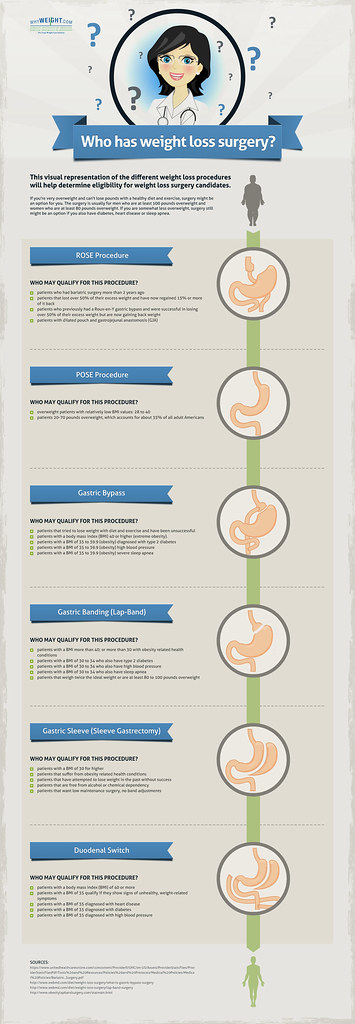
These procedures are designed to help patients lose weight by making changes to their digestive system, which can result in significant and sustained weight loss. The most common types of bariatric surgery include:
- Gastric Bypass: This procedure involves creating a small pouch from the stomach and connecting it directly to the small intestine, which limits food intake and nutrient absorption.
- Gastric Sleeve: In this surgery, a large portion of the stomach is removed, leaving a smaller, sleeve-shaped stomach that restricts food consumption.
- Adjustable Gastric Band: This option includes placing an adjustable band around the upper part of the stomach to create a small pouch that limits food intake.
- Biliopancreatic Diversion with Duodenal Switch: This complex procedure involves both sleeve gastrectomy and a bypass of a significant portion of the small intestine, promoting weight loss by altering both food intake and digestion.
Each of these bariatric surgery options presents different risks and benefits, which patients should discuss thoroughly with their healthcare provider to determine the most appropriate choice for their individual needs.
The Rise of Weight-Loss Drugs
In recent years, there has been a significant shift in the landscape of obesity treatment, with the emergence of weight-loss drugs offering new alternatives to traditional methods. These medications, which often assist in appetite suppression and metabolic changes, have gained popularity due to their non-invasive nature and promising results. However, as the effectiveness of these drugs continues to be evaluated, many are left wondering how they compare to more established solutions like bariatric surgery options.
While weight-loss drugs may provide a temporary solution for some individuals, the durability and long-term success associated with bariatric surgery remain compelling. Surgical procedures, such as gastric bypass and sleeve gastrectomy, have a proven track record in achieving substantial and lasting weight loss for those struggling with obesity.
As the conversation around obesity management evolves, healthcare professionals emphasize the importance of personalized treatment plans. Factors such as an individual’s health status, weight loss goals, and preferences play critical roles in determining the most suitable approach.
Despite the allure of quick fixes through medication, many patients find that understanding the full spectrum of bariatric surgery options allows for informed decisions that align with their long-term health objectives. This nuanced dialogue between surgical and pharmaceutical interventions continues to shape the future of obesity treatment.
Comparing Treatment Effectiveness
When considering bariatric surgery options, it is essential to evaluate the effectiveness of each procedure for long-term weight loss and health improvement. Various surgical techniques have emerged, each with distinct mechanisms and outcomes.
Among the most common procedures are:
- Gastric Bypass: This method involves creating a small stomach pouch and rerouting the small intestine. It is known for significant weight loss and improvements in obesity-related conditions, such as type 2 diabetes.
- Gastric Sleeve: In this procedure, a large portion of the stomach is removed, resulting in a sleeve-like structure. Patients often experience substantial weight loss, and it carries a lower risk of complications compared to gastric bypass.
- Adjustable Gastric Band: This involves placing an adjustable band around the upper part of the stomach to limit food intake. While it is less invasive, many patients may not achieve the same level of weight loss as with other methods.
Recent studies indicate that the effectiveness of bariatric surgery can be influenced by factors such as patient motivation, adherence to post-operative guidelines, and support systems. Furthermore, the advent of weight-loss drugs has introduced new dynamics into the treatment landscape, prompting many to reassess which bariatric surgery options might be most suitable for their individual needs.
Patient Experiences and Outcomes
Patient experiences with bariatric surgery options vary significantly, with many reporting life-changing outcomes. A survey conducted among patients who underwent the procedure revealed that over 80% experienced substantial weight loss, with many achieving their weight loss goals within the first year.
Success is often measured not just in pounds lost, but also in improvements in overall health. Many patients noted a reduction or complete resolution of obesity-related conditions such as type 2 diabetes, hypertension, and sleep apnea. Furthermore, psychological benefits have been reported, including enhanced self-esteem and improved quality of life.
However, it’s essential to consider the individual nature of these outcomes. Factors such as age, pre-existing health conditions, and adherence to post-operative guidelines significantly influence results. One patient shared that while the weight loss was gratifying, the ongoing support from medical professionals and engaging in a healthy lifestyle were crucial for long-term success.
Additionally, some patients emphasize the importance of selecting the right type of surgery, as various bariatric surgery options come with unique benefits and risks. Understanding which procedure aligns best with personal health goals is key. As such, potential candidates are encouraged to have thorough discussions with healthcare providers to assess the most suitable approach for their individual circumstances.
Future Trends in Obesity Treatment
The landscape of obesity treatment is rapidly evolving, with bariatric surgery options continuing to play a significant role amid the rise of innovative weight-loss drugs. As research progresses, several trends are emerging that may redefine how patients approach their weight loss journeys.
One of the most notable trends is the integration of technology in pre- and post-operative care. Wearable devices and mobile applications are being utilized to monitor patients’ progress, helping them adhere to dietary and exercise regimens. This technology not only enhances accountability but also allows healthcare providers to tailor support based on individual patient needs.
Additionally, there is a growing emphasis on personalized medicine. This approach takes into account genetic, environmental, and lifestyle factors that may affect a patient’s response to various bariatric surgery options. By customizing treatment plans, healthcare professionals aim to improve outcomes and reduce the likelihood of complications.
Furthermore, the collaboration between different specialties is becoming more common. Surgeons, nutritionists, and mental health professionals are increasingly working together to provide comprehensive care, ensuring that all aspects of a patient’s well-being are addressed.
In summary, the future of obesity treatment will likely see a more holistic approach that combines the best practices of bariatric surgery options with advancements in technology and personalized care, ultimately leading to better patient outcomes.
By Chris Morris CA via Openverse
Read the original
Related stories
Nanotyrannus skeleton auction: Worth a Proven $9 Million · Indian Chess Prodigy Breaks Record with Proven Skills · Alzheimer’s classification: Proven AI models show promise