







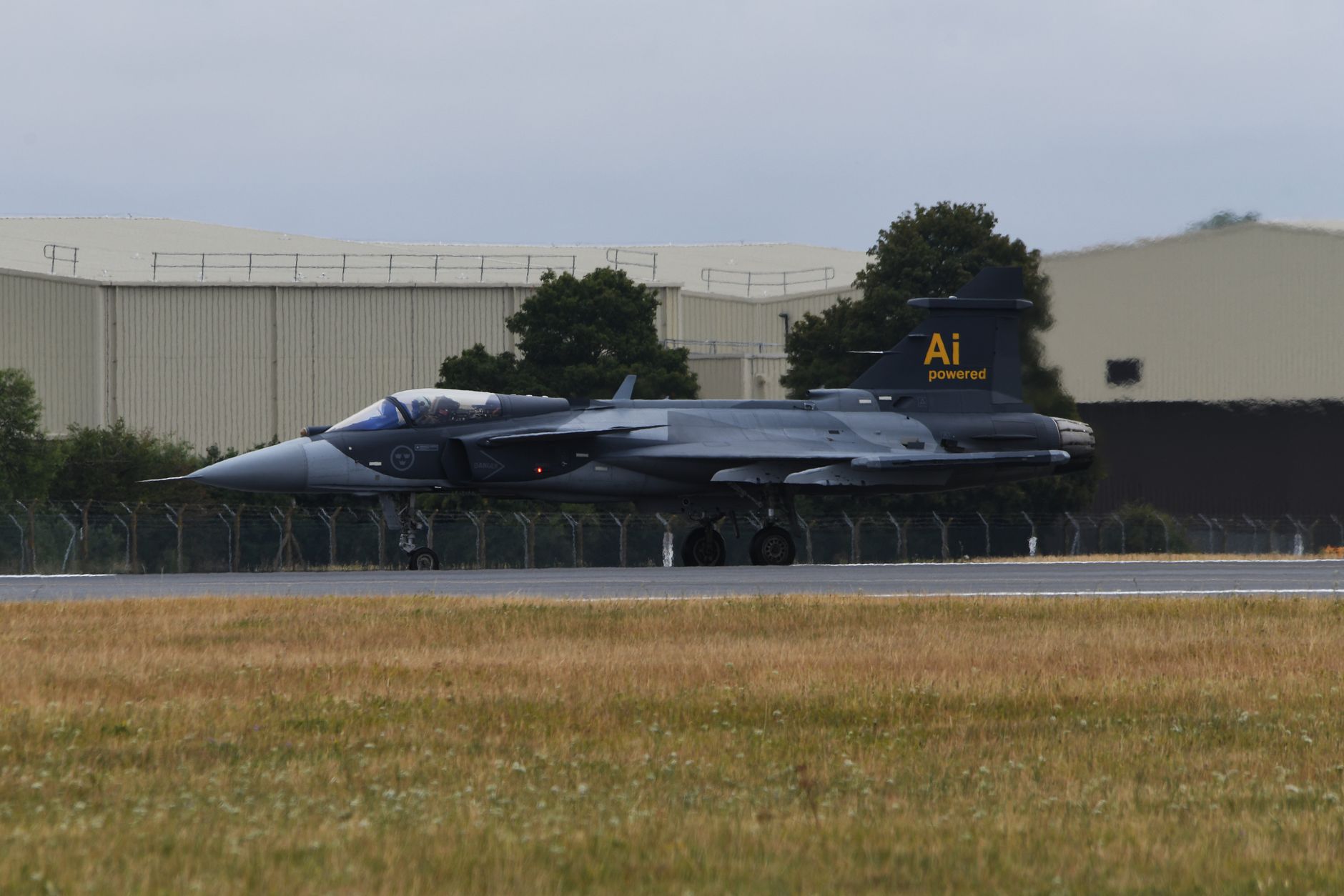
AI-piloted fighter aircraft are set to revolutionize military aviation. The launch of the FWD Supreme program marks a significant advancement in defense technology.
What is the FWD Supreme program?
The FWD Supreme program is an ambitious initiative launched by Flying Wedge, aimed at revolutionizing modern warfare through the integration of artificial intelligence. The program is designed to develop AI-piloted fighter aircraft that can operate autonomously in complex combat scenarios, enhancing both efficiency and effectiveness on the battlefield.
Key features of the FWD Supreme program include:
- Autonomous Operations: The aircraft are engineered to perform missions without direct human control, utilizing advanced algorithms to make real-time decisions.
- Enhanced Combat Capabilities: Equipped with cutting-edge technology, these AI-piloted fighter aircraft can assess threats and engage targets with precision.
- Cost Efficiency: By reducing the need for human pilots, the program aims to lower operational costs and minimize risk to personnel.
- Adaptability: The AI systems are designed to learn from their environments, allowing the aircraft to adapt to various combat conditions and tactics.
As military forces around the globe look to modernize their fleets, the FWD Supreme program positions itself at the forefront of this technological shift. However, the question remains: will AI-piloted fighter aircraft be the best choice for defense, or will human oversight continue to be indispensable in combat scenarios?
Benefits of AI in military aviation
The integration of artificial intelligence in military aviation has sparked considerable interest, particularly with the unveiling of the AI-piloted fighter aircraft as part of the FWD Supreme program. This innovation offers several key benefits that may transform modern aerial combat.
One of the most significant advantages of AI-piloted fighter aircraft is their ability to process vast amounts of data in real-time. This capability allows for quicker decision-making in high-pressure situations, enhancing situational awareness for pilots and ground control. Additionally, AI can analyze enemy movements and predict their strategies, providing a tactical advantage.
- Increased Efficiency: AI systems can optimize flight paths and fuel usage, thereby increasing operational efficiency.
- Reduced Human Error: The automation of certain tasks minimizes the risk of human mistakes, which can be critical in combat scenarios.
- Enhanced Training: AI technology can be utilized in simulators to train pilots more effectively, allowing them to experience scenarios that might be too dangerous or impractical in real life.
- Cost-Effectiveness: Over time, AI-piloted systems could reduce the costs associated with pilot training and mission execution.
As nations explore these advancements, the potential of AI in military aviation continues to grow, leading many to consider whether AI-piloted fighter aircraft might indeed be the best choice for future defense strategies.
Challenges faced by AI-piloted aircraft
The introduction of AI-piloted fighter aircraft presents a range of challenges that must be addressed to ensure their effective integration into military operations. As defense agencies explore the potential of these advanced systems, several key issues have emerged.
- Reliability and Safety: The primary concern surrounding AI-piloted fighter aircraft is their reliability. Ensuring that these systems can operate safely in complex combat environments is critical.
- Ethical Considerations: The deployment of AI in military settings raises ethical questions about accountability and decision-making in combat scenarios. Who is responsible for actions taken by an AI system?
- Technological Limitations: Current AI technology is not infallible. Limitations in processing power and the ability to adapt to unforeseen circumstances can hinder the effectiveness of AI-piloted aircraft.
- Cybersecurity Risks: As AI systems become more prevalent, the risk of cyber attacks on these aircraft increases. Ensuring robust cybersecurity measures is essential to prevent enemy interference.
- Integration with Human Pilots: Finding the right balance between AI autonomy and human oversight is crucial. Effective collaboration between AI and human pilots is a challenge that needs to be navigated carefully.
Addressing these challenges will be vital for the successful implementation of AI-piloted fighter aircraft in modern defense strategies.
Comparing traditional vs. AI-piloted fighters
As military technology evolves, the debate over AI-piloted fighter aircraft versus traditional manned fighters intensifies. Both options present distinct advantages and challenges that defense strategists must weigh carefully.
Traditional fighter jets have been the backbone of air defense for decades. Their strengths include:
- Human intuition: Experienced pilots can make split-second decisions based on instinct and experience, potentially outmaneuvering AI algorithms.
- Adaptability: Manned aircraft can adjust tactics on the fly, responding to the unpredictable nature of combat scenarios.
- Established technology: Existing infrastructure, training programs, and maintenance protocols are already in place, ensuring reliability and ease of integration.
On the other hand, AI-piloted fighter aircraft offer revolutionary capabilities:
- Speed and precision: AI systems can process data and execute maneuvers faster than a human pilot, potentially enhancing combat effectiveness.
- Reduced risk: Deploying AI pilots eliminates the risk to human life in high-stakes missions, allowing for more daring operations.
- Cost efficiency: Over time, AI pilots could reduce operational costs associated with training and maintaining human pilots.
Ultimately, the choice between traditional and AI-piloted fighters will depend on the evolving landscape of warfare and the specific needs of defense organizations.
Future of AI in the defense sector
The future of AI in the defense sector is poised for significant transformation, particularly with the advent of AI-piloted fighter aircraft. As military forces around the globe explore innovative technologies, the integration of artificial intelligence into aviation is becoming a focal point for enhancing operational efficiency and effectiveness.
Many defense experts believe that AI-piloted fighter aircraft could redefine modern warfare, offering advantages such as:
- Increased response times: AI systems can process data and react to threats faster than human pilots, potentially improving mission success rates.
- Cost efficiencies: Reducing the need for human pilots may lower training and operational costs, allowing for the reallocation of resources to other critical areas.
- Enhanced multitasking: AI can simultaneously manage multiple systems and engage in complex decision-making, improving combat tactics.
However, the reliance on AI-piloted fighter aircraft also raises ethical and strategic concerns. The decision-making capabilities of AI raise questions about accountability in combat scenarios. Moreover, potential vulnerabilities to hacking and technological failures must be addressed to ensure national security.
As the defense sector navigates these challenges, the balance between leveraging AI advancements and maintaining human oversight will be critical in shaping the future of military aviation.
Photo by Planespotter Geneva on Pexels