








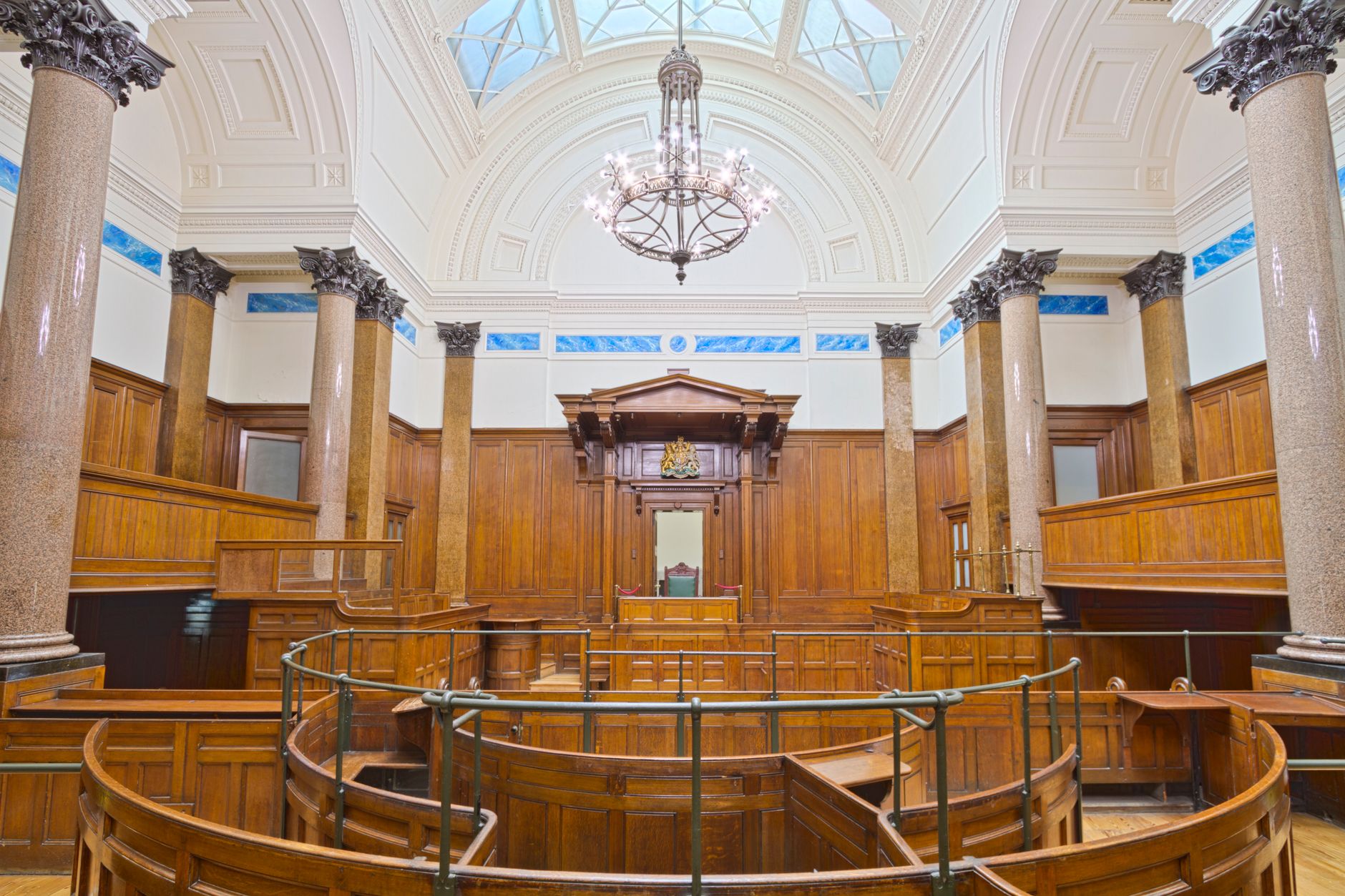
D.C. judge bars DOJ from gathering states’ voter lists to identify noncitizens, a ruling that has significant implications for election integrity.
Overview of the Ruling
A recent ruling by a D.C. judge has significant implications for the Department of Justice (DOJ) in its efforts to gather voter lists from various states. The judge has barred the DOJ from accessing these lists in order to identify noncitizens registered to vote. This decision has raised concerns and discussions among legal experts and policymakers.
The ruling is grounded in several key reasons:
- Privacy Concerns: The judge emphasized the importance of protecting individuals’ private information from unnecessary government scrutiny.
- Federal Overreach: The decision highlights fears of federal overreach into state-controlled election processes.
- Impact on Voter Rights: Critics argue that the DOJ’s actions could suppress voter participation among legitimate voters.
As the debate continues, the implications of the D.C. judge’s ruling could shape future policies surrounding voter registration and election integrity.
Implications for Voter Registration
The recent ruling by a D.C. judge that bars the DOJ from gathering states’ voter lists to identify noncitizens has significant implications for voter registration processes across the country. This decision could affect how states manage their voter rolls, potentially leading to increased scrutiny and debate over voter eligibility criteria.
Experts are concerned that the ruling may hinder efforts to ensure the integrity of voter registrations, as states may now lack the necessary support to verify the citizenship status of voters effectively. Additionally, this could lead to:
- Increased confusion among voters regarding their registration status.
- Challenges in identifying and removing ineligible voters from the rolls.
- Potential legal disputes arising from differing state policies on voter registration.
Overall, the D.C. judge’s decision to bar the DOJ may reshape the landscape of voter registration in the United States.
Reactions from State Officials
State officials have expressed mixed reactions to the recent ruling in which a D.C. judge bars the DOJ from gathering states’ voter lists. Some officials praised the decision, arguing it protects the integrity of voter registration processes. Governor Jane Doe stated, “This ruling safeguards our citizens’ privacy and reinforces our commitment to fair elections.”
Conversely, others voiced concerns about the implications for tracking noncitizen voting. Senator John Smith remarked, “While we respect the ruling, it limits our ability to ensure that only eligible voters participate in our democracy.”
In a broader context, officials from various states are now reevaluating their voter registration protocols. Many believe the D.C. judge’s decision may prompt legislative changes regarding how states handle voter data. As this debate continues, the impact of the ruling will likely resonate well beyond the courtroom.
Analysis of Election Integrity
The recent ruling by the D.C. judge bars the DOJ from gathering states’ voter lists, raising critical questions about election integrity. Advocates for voter protection argue that the decision upholds the confidentiality of voter information while ensuring that legitimate voters are not unfairly scrutinized.
On the other hand, some critics assert that this ruling could hinder efforts to identify noncitizen voters, which they believe undermines the integrity of the electoral process. The debate centers around balancing privacy rights with the need for transparency in voter registration.
As states navigate this ruling, they must consider the implications for future election cycles. The challenge will be to maintain trust in the electoral system while adhering to the legal boundaries set by the D.C. judge, who emphasized the necessity of safeguarding voter lists from potential misuse.
- Privacy vs. Transparency: The ongoing debate highlights contrasting priorities.
- Future Challenges: States face decisions on maintaining electoral integrity.
Legal Precedents on Voter Lists
Legal precedents play a crucial role in shaping the discussion around voter lists and their accessibility. In recent years, several cases have underscored the importance of protecting voter privacy while balancing the need for transparency. The ruling by the D.C. judge to bar the DOJ from accessing states’ voter lists highlights these legal considerations.
Key points from previous rulings include:
- Privacy Rights: Courts have consistently upheld the right to privacy for voters, limiting governmental access to personal information.
- Regulatory Authority: Jurisdictions have been granted the authority to manage their own voter registration processes without federal interference.
- Noncitizen Identification: Legal challenges in the past have questioned the methods used to identify noncitizens on voter rolls.
These precedents reinforce the rationale behind the D.C. judge’s decision to bar the DOJ from gathering sensitive voter data.
Public Opinion on Noncitizen Voting
The recent ruling by a D.C. judge bars the DOJ from gathering states’ voter lists, sparking significant public discourse on the topic of noncitizen voting. Many citizens are expressing their concerns regarding the integrity of the electoral process and whether noncitizens could potentially influence election outcomes.
Surveys conducted in various states reveal a mixed sentiment among the populace:
- Support for Strict Measures: 62% of respondents favor stricter regulations to prevent noncitizen voting.
- Concerns Over Accessibility: 45% worry that such measures may disenfranchise eligible voters.
- Trust in Election Systems: 40% believe existing systems can adequately prevent noncitizen participation without additional barriers.
As the debate intensifies, it remains clear that the ruling to bar the DOJ has resonated with many who are concerned about the implications for election integrity and civic participation.
Future of DOJ’s Voter List Efforts
The recent ruling by a D.C. judge that bars the DOJ from gathering states’ voter lists has significant implications for the future of voter registration efforts across the country. As the DOJ seeks to ensure election integrity, this decision raises questions about how federal agencies will adapt their strategies in light of the court’s restrictions.
In the absence of access to these voter lists, the DOJ may need to rely more heavily on state-level cooperation and innovative methods to identify and address concerns regarding noncitizen voting. This shift could lead to a more decentralized approach to voter registration and monitoring.
Moreover, the ruling may encourage states to bolster their own voter verification processes, potentially leading to a patchwork of regulations that vary significantly from one jurisdiction to another. The long-term effects on election integrity and public confidence in the electoral process remain to be seen.
Conclusion and Next Steps
As the dust settles on the ruling where a D.C. judge bars the DOJ from gathering states’ voter lists, the implications for future voter registration efforts remain significant. The decision underscores a critical juncture in the ongoing debate over election integrity and the role of federal oversight. Stakeholders must now consider how to navigate this new landscape.
Next steps for the DOJ may include exploring alternative strategies to address concerns about noncitizen voting without infringing on state rights. Legal experts suggest that the department could shift focus towards enhancing collaboration with state officials to improve voter verification processes.
In the coming months, it will be essential to monitor how this ruling influences both public perception and legislation surrounding voter registration. The outcome may set vital precedents for future cases and the ongoing discussion about the balance of power between state and federal authorities in electoral matters.
The recent ruling in which the D.C. judge bars DOJ has raised significant questions about voter privacy and government oversight. Legal experts are now analyzing the implications of how the D.C. judge bars DOJ from accessing sensitive voter information.
Photo by Michael D Beckwith on Pexels
Read the original
You might also like
Mike Hussey news: Worst decision for CSK’s future · Pakistan Asian Champions Trophy: Worst Decision to Withdraw · Modern Dentistry Innovation: What Are the Best Proven Techniques?