

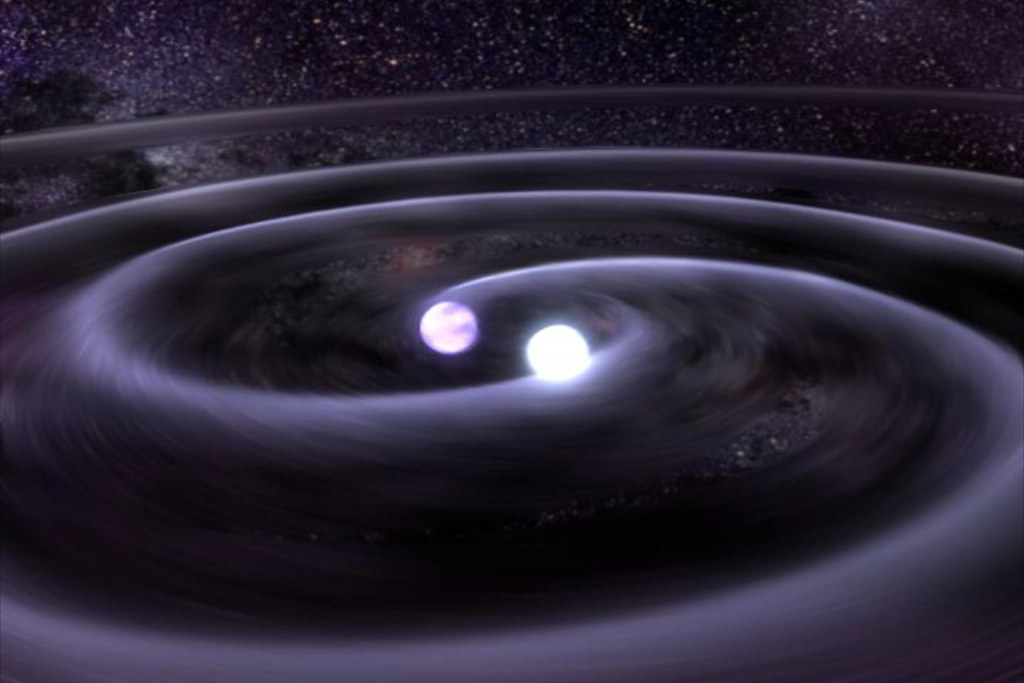
Chandra X-ray Observatory has unveiled a breathtaking new view of our galaxy’s center. This remarkable observation sheds light on the chaotic and vibrant nature of our cosmic neighborhood.
What is the Chandra X-ray Observatory?
The Chandra X-ray Observatory is a powerful space telescope launched by NASA in 1999. It is designed to observe X-rays emitted by high-energy regions of the universe, providing crucial insights into the structure and behavior of galaxies, stars, and black holes.
Operating in a highly elliptical orbit around the Earth, Chandra is equipped with advanced instruments that detect X-rays from cosmic sources. Its unique capabilities allow scientists to explore phenomena such as:
- The formation and evolution of galaxy clusters
- The behavior of gas around black holes
- Supernova remnants and their role in the cosmic ecosystem
- The distribution of dark matter in the universe
One of the most significant contributions of the Chandra X-ray Observatory is its ability to provide detailed images and spectra of X-ray emissions. These observations have revolutionized our understanding of the universe’s energetic processes and have led to important discoveries about the Milky Way and its center.
With its ongoing mission, Chandra continues to unveil new perspectives on the cosmos, making it an invaluable tool for astronomers and astrophysicists alike.
New discoveries from the galaxy’s center
The Chandra X-ray Observatory has unveiled new discoveries from the center of our galaxy, providing unprecedented insights into the chaotic environment surrounding the supermassive black hole known as Sagittarius A*. Researchers utilized the observatory’s advanced X-ray imaging capabilities to map the dynamics of gas and dust swirling around this cosmic giant.
Among the key findings are:
- High-energy phenomena: The data reveals intense X-ray emissions indicative of powerful processes occurring near the black hole.
- Star formation: Observations suggest that despite the harsh conditions, new stars are still being born in the vicinity of Sagittarius A*.
- Interstellar gas clouds: The study highlights the behavior of gas clouds that are influenced by the gravitational pull of the black hole, contributing to a deeper understanding of galactic dynamics.
These revelations from the Chandra X-ray Observatory not only enhance our knowledge of the galaxy’s center but also challenge existing theories about black hole interactions and star formation in extreme environments. As researchers continue to analyze the data, further surprises may await in this bustling corner of the cosmos.
The importance of X-ray observations
X-ray observations are crucial for understanding the universe, as they reveal phenomena that are often invisible in other wavelengths of light. The Chandra X-ray Observatory has significantly advanced our ability to observe high-energy processes in space. Through its sensitive instruments, Chandra captures X-rays emitted by some of the most energetic objects in the universe, including black holes, neutron stars, and supernova remnants.
These observations provide insights into the life cycles of stars and the dynamics of galaxies. For instance, the X-ray data collected by Chandra allows astronomers to study the interactions between different cosmic phenomena, such as how gas is heated to millions of degrees in the vicinity of black holes. This information is invaluable for building a comprehensive picture of the universe’s evolution.
Moreover, X-ray observations help scientists understand the distribution of dark matter and the formation of large-scale structures in the cosmos. By analyzing the X-ray emissions from clusters of galaxies, researchers can infer the presence of unseen mass, which plays a vital role in the universe’s overall dynamics.
In summary, the importance of X-ray observations, particularly from the Chandra X-ray Observatory, cannot be overstated as they unveil secrets of the universe that would otherwise remain hidden.
How the data was collected
The Chandra X-ray Observatory has revolutionized our understanding of the universe by capturing high-energy X-ray emissions from celestial objects. To collect this data, the observatory employs a sophisticated array of instruments that are designed specifically for detecting X-rays, which are often emitted by some of the hottest and most energetic phenomena in the universe.
During its recent observations, the Chandra X-ray Observatory utilized a technique called time tagging, allowing scientists to record the precise timing of each X-ray photon detected. This method is crucial for studying transient events, such as supernovae or flares from black holes.
Additionally, the observatory’s mirrors are coated with a special material that reflects X-rays, enabling it to capture detailed images of the galaxy’s center. The data is collected over long periods, often spanning several days, to build a comprehensive view of dynamic processes occurring in our galaxy.
Scientists then analyze the gathered data using advanced software, which helps to identify patterns and anomalies. This meticulous process not only enhances our understanding of the galaxy’s center but also reinforces the vital role of the Chandra X-ray Observatory in modern astrophysics.
Implications for future research
The recent findings from the Chandra X-ray Observatory carry significant implications for future astronomical research. As scientists analyze the new data, they anticipate several advancements in our understanding of the galaxy’s structure and behavior.
One major area of interest is the study of black holes, particularly at the center of our galaxy. The data provided by the Chandra X-ray Observatory will allow researchers to refine their models of black hole formation and growth, potentially revealing new phenomena previously obscured by conventional observations.
Additionally, the X-ray emissions captured by the observatory can shed light on the processes occurring in the hot gas surrounding black holes. This could lead to breakthroughs in understanding how these massive objects influence their environment and the rate of star formation in the galaxy.
Moreover, the insights gained from the observatory’s findings may pave the way for future missions. As scientists continue to build on this knowledge, they aim to develop more sophisticated instruments that will enhance our ability to observe distant galaxies and their formation processes.
In summary, the implications of the Chandra X-ray Observatory’s discoveries extend far beyond immediate observations, shaping the direction of future research in astrophysics.
Public reaction to the new images
The release of new images from the Chandra X-ray Observatory has generated significant excitement among both the scientific community and the public. Many are expressing awe at the stunning visuals that reveal intricate details of our galaxy’s center.
Social media platforms have been buzzing with reactions, including:
- “These images are breathtaking! It’s amazing to see what lies at the heart of our galaxy.”
- “The Chandra X-ray Observatory continues to amaze me with its capabilities. The detail is just phenomenal!”
- “I never knew our galaxy was so dynamic and complex. Thank you, Chandra!”
Experts also highlighted the importance of these observations. Dr. Emily Carter, an astrophysicist, stated, “The public’s enthusiasm shows how vital it is to make scientific discoveries accessible and engaging.” The new images not only serve as a reminder of the wonders of the universe but also inspire future generations to explore the field of astronomy.
By pingnews.com via Openverse