





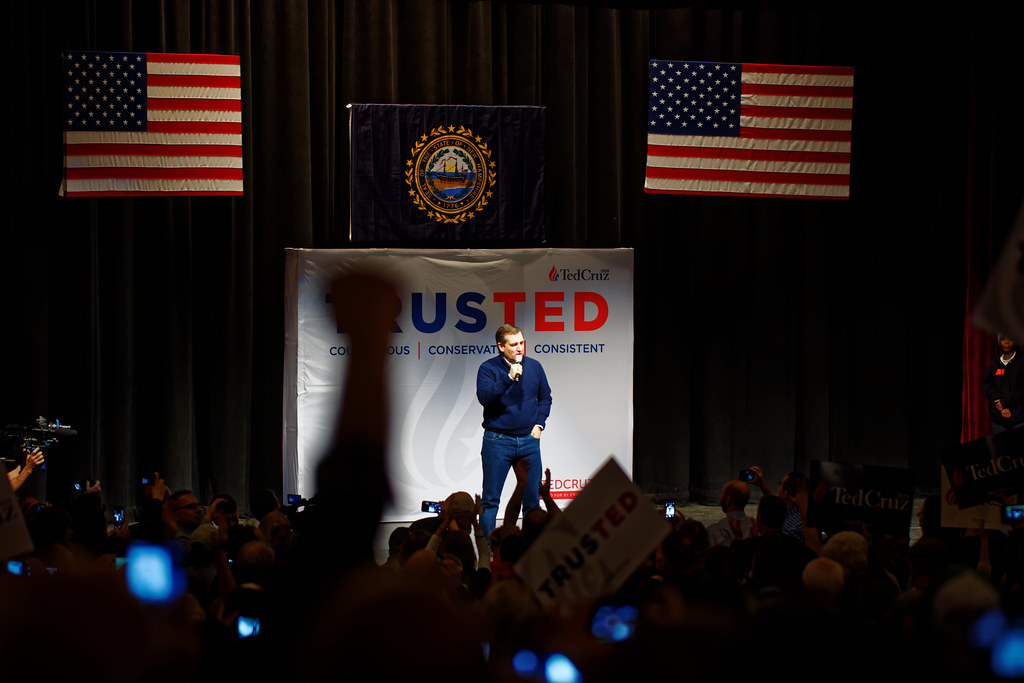
The Trump reporter confrontation reveals growing tensions between the former president and the media. During a recent event, Trump told a female MS Now reporter to ‘be quiet’ while discussing the press pool ban.
Background of the Press Pool Ban
The recent confrontation between former President Donald Trump and a reporter has drawn significant attention, particularly regarding the ongoing press pool ban. This incident occurred when Trump was questioned by a female reporter from MS Now about the limitations imposed on press access. During the exchange, Trump instructed her to “be quiet,” which escalated tensions within the press pool.
The press pool ban has been a contentious issue, with many journalists advocating for greater transparency and access to the former president. Critics argue that these restrictions undermine the fundamental principles of a free press. The following points highlight key aspects of the situation:
- Background: The press pool ban has been in place since Trump’s presidency, limiting reporters’ ability to cover events and ask questions.
- Reactions: Many journalists and media organizations have condemned the ban, arguing it stifles accountability.
- Impact: The confrontation serves as a reminder of the ongoing struggles journalists face in seeking access to public figures.
Reactions from the Media
Reactions from the media regarding the recent Trump reporter confrontation have been swift and intense. Many journalists and media organizations have condemned the incident, arguing that it highlights a growing tension between the Trump administration and the press. The confrontation occurred when Trump told a female reporter from MS Now to “be quiet” while she attempted to question him about the controversial press pool ban.
In response, several news outlets issued statements emphasizing the importance of press freedom and the role of journalists in holding public figures accountable. Some key reactions include:
- The White House Correspondents’ Association: “This type of behavior is unacceptable and undermines the essential role of the press.”
- Reporters Without Borders: “The treatment of journalists during this administration poses a serious threat to democracy.”
- Media advocates: “We must stand together against any attempts to silence the press.”
As the dialogue continues, many are calling for increased support for journalists working in challenging environments.
Analysis of Trump’s Statement
In a recent confrontation with a female reporter from MS Now, former President Donald Trump exhibited a dismissive attitude that has caught the attention of many in the media landscape. Trump’s directive for the reporter to “be quiet” not only highlights his contentious relationship with the press but also raises questions about transparency and accountability during his administration.
Critics argue that this incident is emblematic of a broader pattern in which Trump often targets individual journalists, particularly women and those from minority backgrounds, as a means of deflecting scrutiny. By dismissing questions related to the controversial press pool ban, Trump reinforces the perception of hostility towards media inquiry.
Some analysts suggest that such confrontations are strategic, aimed at rallying his base by portraying the press as antagonistic. This tactic may resonate with supporters who view the media as biased against Trump, but it also risks alienating moderate voters who value a free press.
As the fallout from the Trump reporter confrontation continues, the implications for journalistic freedom remain a pressing concern.
Impact on Press Freedom
The recent Trump reporter confrontation has raised significant concerns regarding the state of press freedom in the United States. Many journalists and press advocates argue that such incidents highlight a growing trend of hostility towards the media, particularly from political figures. The confrontation, which saw Trump telling a female reporter to “be quiet,” has been interpreted as an attempt to silence dissent and control the narrative surrounding his administration.
Critics argue that when a president dismisses questions from the press, it undermines the fundamental principles of democracy and accountability. This hostility can create a chilling effect on journalists, discouraging them from asking tough questions or pursuing critical stories. Furthermore, the press pool ban implemented by Trump’s administration has intensified these concerns, as it limits access to information and restricts the ability of reporters to do their jobs effectively.
As the ramifications of this confrontation unfold, it is essential for the media and the public to recognize the importance of protecting press freedoms. The ability to question and hold power accountable is vital for a healthy democracy.
Public Response to the Incident
The recent confrontation between Trump and a reporter has sparked significant public interest and debate. Many citizens took to social media to express their opinions on the incident, particularly in light of the press pool ban that was implemented. The reaction has been mixed, with some supporting Trump’s decision to challenge the reporter, while others criticized his approach as dismissive and disrespectful.
- Supporters of Trump argue that he is right to prioritize his message and control the narrative, viewing the confrontation as a necessary stand against what they perceive as biased questioning.
- Conversely, critics see the incident as an alarming indication of the current administration’s relationship with the press, arguing that such actions undermine the fundamental principles of democracy.
- Many commentators have pointed out that this Trump reporter confrontation reflects broader tensions between political figures and the media.
As discussions continue, it is clear that the public’s response will play a crucial role in shaping the ongoing narrative surrounding press freedom and accountability in journalism.
Future of Media Relations
The future of media relations in the context of the recent Trump reporter confrontation raises significant concerns regarding transparency and accountability. As the relationship between political figures and the press evolves, the implications of the press pool ban become increasingly apparent. Journalists are tasked not only with reporting the news but also with acting as watchdogs in a democratic society. The recent incident has sparked discussions about the importance of maintaining an open dialogue between the media and public officials.
Many experts argue that such confrontations can hinder the flow of information, ultimately affecting the public’s right to know. In light of Trump’s directive to a reporter to “be quiet,” the dynamics of press interactions may shift further.
- Trust Erosion: Continued confrontations may lead to a growing distrust between journalists and government representatives.
- Media Accountability: The role of the press in holding power to account could be jeopardized.
- Public Engagement: Citizens may become less informed if press access is limited.
This situation emphasizes the need for a constructive relationship built on respect and open communication.
The Trump reporter confrontation has sparked widespread debate about press freedoms and the responsibilities of journalists. Many are questioning how such a reaction could influence future interactions between the press and political figures, particularly in light of the recent Trump reporter confrontation.
By Michael Vadon via Openverse