








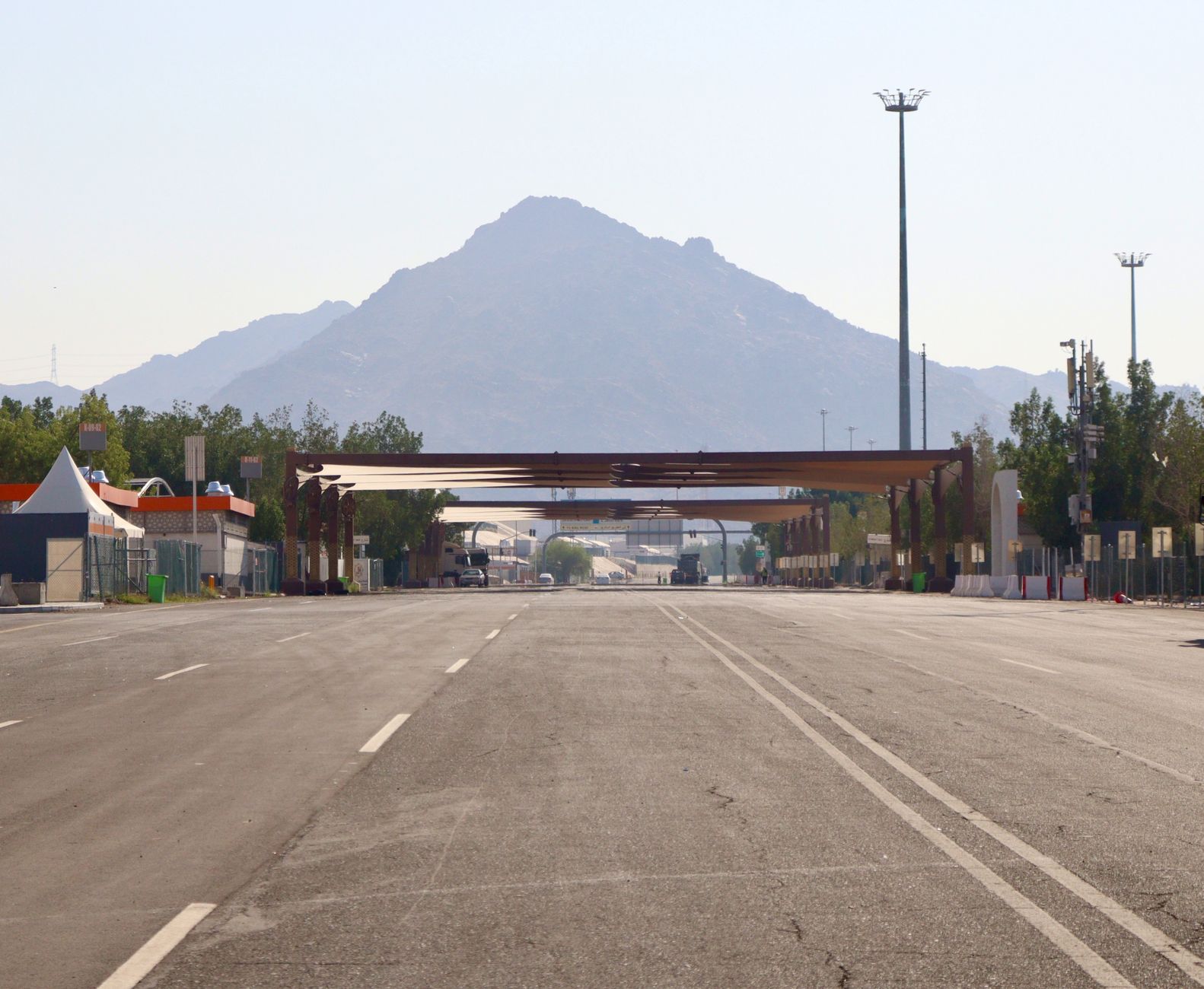
Saudi Arabia oil routes are becoming increasingly important as the nation explores alternatives to traditional pathways. This shift is crucial for energy security and economic strategy in the region.
Overview of Saudi Arabia’s Oil Routes
Saudi Arabia’s oil routes play a crucial role in the global energy market, facilitating the transport of crude oil from the kingdom to various international destinations. With increasing geopolitical tensions and the need for diversified supply chains, the exploration of alternative oil routes has gained significant attention.
One of the primary routes is the pipeline connecting the eastern oil fields to the Red Sea port of Yanbu. This route allows for a direct export path, minimizing the transit time to key markets in Europe and the Americas. Additionally, the kingdom has been investing in infrastructure to enhance its maritime routes.
Among the notable alternatives is the potential route from Yanbu to Sohar in Oman. This path could provide an essential link to Asian markets while reducing reliance on traditional shipping lanes that are more susceptible to disruptions.
As the global demand for oil continues to evolve, Saudi Arabia’s oil routes are adapting to ensure a stable supply. The kingdom’s efforts to diversify its transportation options highlight the importance of resilience in an ever-changing geopolitical landscape.
- Yanbu to Red Sea ports
- Yanbu to Sohar
Importance of Alternative Oil Routes
The importance of alternative oil routes for Saudi Arabia cannot be overstated. As global demand for oil continues to evolve, the need for reliable and secure pathways to transport this vital resource has become increasingly critical. The strategic positioning of Saudi Arabia oil routes plays a key role in the country’s economy and its relationships with global markets.
One of the primary reasons for exploring alternative routes is the potential risk associated with shipping through traditional channels. Factors such as geopolitical tensions, piracy, and natural disasters can disrupt supply chains, leading to significant economic repercussions. Therefore, diversifying the routes helps mitigate these risks.
Key advantages of developing alternative oil routes include:
- Enhanced Security: Reducing dependence on a single route minimizes vulnerability to external threats.
- Cost Efficiency: New routes may offer more economical transportation options, decreasing overall operational costs.
- Market Access: Alternative routes can open up new markets, increasing Saudi Arabia’s global footprint in the oil industry.
In conclusion, investing in alternative oil routes is essential for ensuring the long-term sustainability and growth of Saudi Arabia’s oil sector.
Key Players in the Oil Market
The oil market is dominated by several key players that shape the dynamics of supply and demand. Understanding these players is essential for comprehending the significance of Saudi Arabia oil routes.
- Saudi Aramco: As the world’s largest oil producer, Saudi Aramco is a pivotal player, controlling vast reserves and shaping global oil prices.
- OPEC: The Organization of the Petroleum Exporting Countries, which includes Saudi Arabia, plays a crucial role in regulating oil production levels to stabilize the market.
- International Oil Companies (IOCs): Companies like ExxonMobil and BP are significant investors in oil extraction and technology, influencing market trends and innovations.
- Refining Giants: Major refiners such as Valero and Phillips 66 impact demand for crude oil, including supplies transported via Saudi Arabia’s alternative oil routes.
- Emerging Markets: Countries like China and India are becoming increasingly important consumers of oil, directly affecting the strategic decisions of oil-producing nations.
These players collectively influence not just oil prices but also the strategic importance of Saudi Arabia oil routes in a rapidly evolving global energy landscape.
Economic Impact of New Routes
The economic impact of new oil routes in Saudi Arabia is significant, as these alternative pathways may reshape the global energy landscape. By diversifying its oil routes, Saudi Arabia aims to enhance its resilience against geopolitical tensions and market fluctuations.
Experts suggest that the introduction of new routes could lead to a more stable supply chain, potentially lowering transportation costs. This is crucial for maintaining competitive pricing in the international market. Furthermore, Saudi Arabia oil routes that connect to emerging markets could open up lucrative trade opportunities, fostering economic growth both domestically and in partner countries.
In addition to direct economic benefits, these routes may also stimulate investments in infrastructure, including refineries and shipping facilities. This could create jobs and bolster local economies in regions surrounding new routes.
However, challenges remain. The need for secure and efficient operations along these routes cannot be overstated, as any disruptions could have ripple effects on global oil prices. As Saudi Arabia continues to explore its options, the implications of these new routes will be closely monitored by industry analysts and policymakers alike.
Challenges Faced by Saudi Arabia
Saudi Arabia faces several challenges in securing its oil routes amid rising geopolitical tensions and shifting market dynamics. The country’s reliance on traditional shipping lanes has made it vulnerable to disruptions that could impact oil exports.
One significant challenge is the threat of piracy and maritime security issues in key shipping areas. This has prompted Saudi Arabia to invest in enhancing naval capabilities to protect its oil routes and ensure safe passage for tankers.
Another concern is the increasing competition from alternative energy sources and the global push towards sustainability. As countries focus on reducing carbon emissions, Saudi Arabia must adapt its strategies to maintain its position in the oil market.
Additionally, the development of new oil routes requires substantial investment in infrastructure. This includes building pipelines and refineries to facilitate the transportation of crude oil to alternative destinations.
Moreover, the fluctuating prices of oil, influenced by both OPEC decisions and global economic conditions, pose a risk to the profitability of these new routes. In conclusion, navigating these challenges is crucial for Saudi Arabia to secure its oil routes and ensure continued market dominance.
Future of Oil Transportation
The future of oil transportation in Saudi Arabia is poised for transformation as the nation seeks to diversify its oil routes amid rising geopolitical tensions and market fluctuations. With a strong commitment to maintaining its position as a leading oil exporter, Saudi Arabia is exploring innovative strategies to enhance its oil transportation capabilities.
Several factors contribute to the evolving landscape of Saudi Arabia’s oil routes:
- Infrastructure Development: Investment in modern pipelines and port facilities is crucial to ensure efficient transportation of oil to various markets.
- Enhanced Security Measures: As threats to oil shipments persist, the implementation of advanced security protocols will play a vital role in safeguarding these routes.
- Alternative Shipping Methods: Exploring options such as rail and maritime transport will provide more flexibility and reduce dependency on traditional routes.
- Sustainability Initiatives: Emphasis on environmentally friendly practices may lead to the adoption of cleaner technologies in oil transportation.
As these developments unfold, the future of oil transportation will significantly influence Saudi Arabia’s oil routes and its standing in the global oil market.
Comparing Yanbu and Sohar
The strategic positioning of Yanbu and Sohar plays a crucial role in the effectiveness of Saudi Arabia’s oil routes. Both ports offer unique advantages for oil transportation, making them essential nodes in the global energy market.
Yanbu, located on the Red Sea, serves as a vital outlet for Saudi oil exports. Its proximity to major shipping lanes allows for quicker access to European and American markets. Additionally, the port is equipped with advanced facilities that enhance loading efficiency and reduce turnaround times.
In contrast, Sohar, situated on the Sea of Oman, provides access to the Arabian Sea and beyond. This location is strategically important for reaching Asian markets, notably India and China, which are significant consumers of oil. The development of infrastructure in Sohar has also attracted various international shipping companies, ensuring competitive rates and reliable services.
Ultimately, the choice between Yanbu and Sohar hinges on factors such as destination, shipping costs, and logistical efficiencies. As Saudi Arabia continues to explore alternative oil routes, both ports are likely to play pivotal roles in shaping the future of oil transportation.
Global Reactions to Route Changes
The recent alterations to Saudi Arabia’s oil routes have spurred a variety of global reactions, particularly among key stakeholders in the energy sector. Many nations are closely monitoring these changes, as the flow of oil from Saudi Arabia significantly influences global markets.
Concerns over energy security have been raised, especially among countries heavily reliant on Saudi oil. Analysts suggest that the diversification of routes could lead to increased competition and potentially lower prices in the long run. However, some experts warn that disruptions in established routes could lead to instability in already volatile markets.
In response, several nations are exploring new partnerships and agreements to secure their oil supplies. For instance, countries in Asia are looking to strengthen ties with Saudi Arabia, taking into account the shifting dynamics of oil transportation and the evolving landscape of Saudi Arabia’s oil routes.
Furthermore, environmental concerns have also emerged, with a push towards more sustainable transport methods being emphasized. As these changes unfold, the global community remains vigilant, assessing the impact on both regional and international energy markets.
Exploring new trade partnerships can significantly enhance the efficiency of Saudi Arabia oil routes. Additionally, investing in alternative transportation methods may reduce reliance on traditional Saudi Arabia oil routes.
Photo by Fahad Puthawala on Pexels