


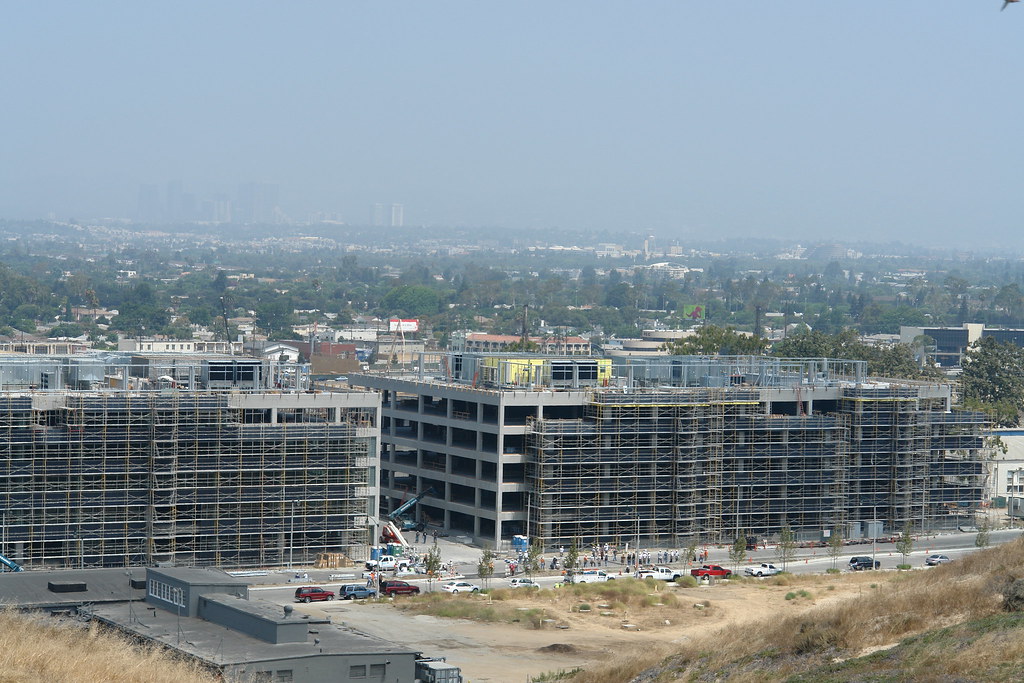
The Los Angeles earthquake has hit the area with a magnitude of 5, shaking buildings and alarming residents. Emergency services are assessing the damage and ensuring safety.
What caused the Los Angeles earthquake?
The recent earthquake in Los Angeles, which registered a magnitude of 5, has raised questions about its causes and implications. Seismologists explain that the primary reason for such seismic activity in the region is the complex network of fault lines running through Southern California. The most significant of these is the San Andreas Fault, which is known for its potential to generate large earthquakes.
Several factors contribute to the occurrence of earthquakes in this area:
- Tectonic Plate Movement: The Pacific Plate and the North American Plate constantly shift against each other, creating stress in the Earth’s crust.
- Fault Lines: The presence of numerous fault lines, including the San Andreas Fault, allows for the release of built-up energy, resulting in earthquakes.
- Geological Composition: The geological structure of the region, which includes various rock types, influences how seismic waves travel and can amplify the effects of earthquakes.
Experts warn that while this earthquake may not be the worst natural disaster ever, it serves as a reminder of the region’s vulnerability to such events. Preparedness and public awareness are crucial in mitigating the impact of future occurrences.
How residents are responding to the earthquake
In the aftermath of the recent Los Angeles earthquake, residents are grappling with the emotional and physical toll of the event. Many have taken to social media to share their experiences and seek comfort from their communities. The sense of uncertainty has led to an outpouring of support among neighbors, as people come together to assess damage and offer assistance.
Local businesses have also stepped up, providing free resources such as food and water to those affected. Community centers are opening their doors as temporary shelters, helping families who have lost their homes or are too afraid to return. Many residents report feeling a mix of fear and resilience, as they navigate the aftermath of the quake.
- Emergency preparedness: Residents are urged to review their emergency plans and supplies.
- Community gatherings: Support groups are forming to help individuals cope with anxiety and trauma.
- Safety checks: Many are conducting safety inspections of their homes to ensure structural integrity.
With the Los Angeles earthquake rattling the region, the focus has shifted to recovery and rebuilding, as residents find strength in unity and shared experiences.
Safety measures after the Los Angeles earthquake
In the wake of the recent Los Angeles earthquake, local authorities have implemented a series of safety measures to protect residents and ensure community resilience. The magnitude 5 earthquake has prompted both immediate and long-term responses aimed at mitigating further risks and enhancing preparedness.
Emergency services have been deployed to assess damages and assist those affected. Residents are encouraged to follow guidelines provided by local agencies, which include:
- Stay informed: Monitor local news and official announcements for updates on safety protocols and available resources.
- Check for damages: Inspect homes and buildings for structural integrity. Report any hazards to authorities immediately.
- Prepare emergency kits: Assemble supplies such as water, food, and first-aid materials to sustain households in case of aftershocks.
- Participate in community drills: Engage in local preparedness exercises to learn how to respond effectively during seismic events.
- Review insurance policies: Ensure coverage is adequate for earthquake damage and understand the claim process.
These initiatives reflect a commitment to safeguarding the community after the Los Angeles earthquake and fostering a culture of preparedness among residents.
Historical context of earthquakes in California
California has a long and tumultuous history with earthquakes, with the Los Angeles area being particularly vulnerable due to its location along the San Andreas Fault. This fault line has been the source of some of the most significant seismic events in the state’s history.
Notable earthquakes include:
- The 1906 San Francisco earthquake, which measured 7.9 in magnitude and resulted in widespread destruction and loss of life.
- The 1933 Long Beach earthquake, registering 6.4, led to the establishment of stricter building codes aimed at improving safety in urban areas.
- The 1994 Northridge earthquake, which struck with a magnitude of 6.7, causing extensive damage and costing billions in repairs.
Each of these events has shaped public perception and policy regarding earthquake preparedness. The recent Los Angeles earthquake, while measured at a magnitude of 5, has reignited conversations about the safety of infrastructure and the region’s readiness for larger seismic events.
With a history rich in seismic activity, California remains on high alert as scientists continue to monitor fault lines and develop improved early warning systems.
What to do during an earthquake
In the event of a Los Angeles earthquake, knowing how to react can significantly impact your safety. The following guidelines can help you stay protected during such a natural disaster:
- Drop, Cover, and Hold On: Immediately drop to your hands and knees, take cover under a sturdy piece of furniture, and hold on until the shaking stops. This position helps protect you from falling debris.
- Stay Indoors: If you are inside a building, remain there. Avoid running outside during the shaking, as many injuries occur from falling objects or debris.
- Stay Away from Windows: Keep clear of glass windows, mirrors, and any items that may shatter or fall. Move to an interior wall if possible.
- If Outside: Move to an open area away from buildings, trees, streetlights, and utility wires. Stay there until the shaking stops.
- If Driving: Pull over to a safe area, stop, and remain in the vehicle with your seatbelt fastened until the shaking stops.
These actions are crucial for minimizing injuries and ensuring safety during the unpredictable moments of a Los Angeles earthquake.
The Los Angeles earthquake has left many residents questioning the city’s preparedness for such disasters. As the aftermath unfolds, experts are analyzing whether this Los Angeles earthquake truly marks a turning point in urban disaster response.
By JebusHChrist via Openverse
References
The Guardian · Los Angeles earthquake
Vishwas Refoils IPO: Proven Steps to Invest Smartly · Pensions and Benefits Services: Worst Cyber Incident Update · Robbers Stop Car: Shocking Incident Leaves Indian Injured