


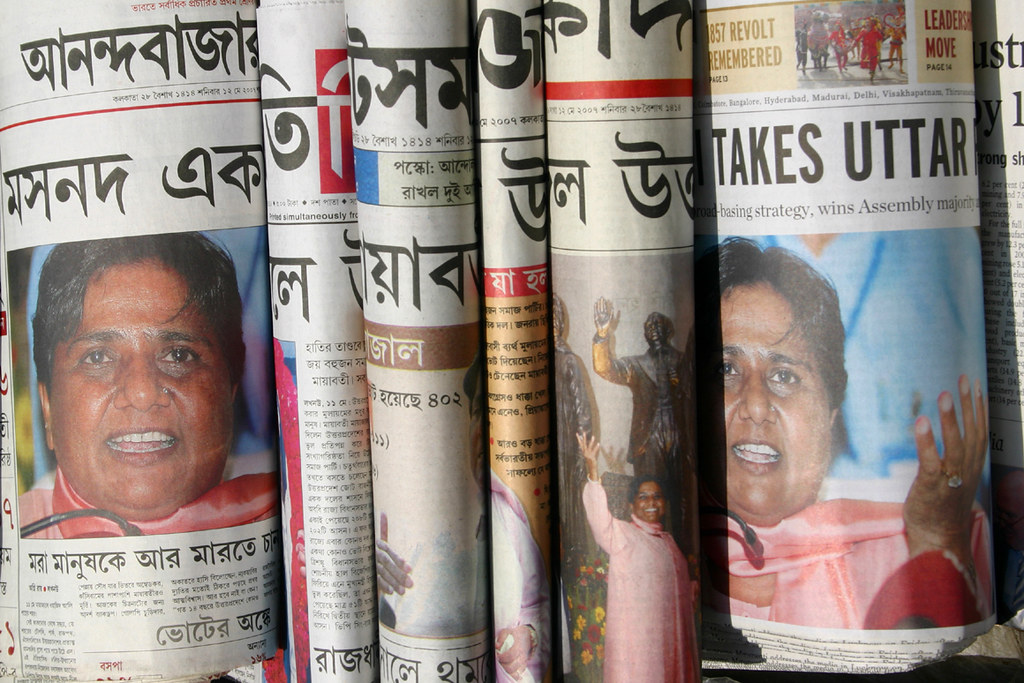
India election results have concluded a marathon election process that engaged millions of voters. This pivotal moment highlights the nation’s democratic spirit and voter participation.
Overview of the Election Process
The recent India election results have garnered significant attention, reflecting the democratic process that the nation undertakes every few years. This election cycle, characterized by its extensive logistics and widespread participation, showcases the importance of voter engagement in shaping the country’s political landscape.
The election process in India is a complex procedure that involves multiple steps:
- Voter Registration: Eligible citizens must register to vote, ensuring they are included in the electoral rolls.
- Campaigning: Political parties and candidates campaign vigorously across regions, presenting their manifestos and appealing to the electorate.
- Polling: On designated polling days, voters cast their ballots, often facing long queues, reflecting the high stakes of the election.
- Counting Votes: After polling concludes, votes are meticulously counted, and the results are tabulated to determine the outcome.
- Result Declaration: Finally, the election results are officially announced, revealing which candidates have secured seats in the government.
This year’s election saw a notable increase in voter turnout, a crucial factor that demonstrates the public’s engagement and interest in the democratic process. The India election results not only signify the choices made by the electorate but also highlight the evolving political dynamics within the country.
Key Voter Demographics
The India election results have revealed significant insights into voter demographics that may shape future political strategies. Understanding who participated in the elections is crucial for analyzing the implications of these results.
Key demographics that stood out during this election cycle include:
- Age Groups: Young voters aged 18-24 showed an increased turnout, reflecting their growing interest in the political landscape. This age group accounted for approximately 30% of the total votes cast.
- Gender Representation: Women voters demonstrated a notable rise in participation, with their turnout reaching nearly 50% for the first time. This shift indicates a changing dynamic in voter engagement and representation.
- Urban vs. Rural Divide: Urban areas exhibited a higher voter turnout compared to rural regions. However, rural voters showed a significant increase in participation, suggesting heightened awareness and interest in local issues.
- Educational Background: Voters with higher education levels were more likely to engage in the electoral process, highlighting the correlation between education and political participation.
These findings from the India election results not only reflect the current state of voter engagement but also point toward evolving trends that could impact future elections. Political parties may need to adapt their strategies to cater to these emerging voter demographics.
India Election Results Analysis
The recent India election results have revealed significant insights into voter turnout across various demographics and regions. Analysis shows a varied response from the electorate, highlighting trends that could shape future political landscapes. The overall voter turnout was reported at approximately 60%, a slight increase from the previous election cycle.
In urban areas, turnout rates were notably higher, with cities like Mumbai and Bengaluru registering upwards of 65%. This trend suggests a growing engagement among city dwellers, possibly influenced by targeted campaigning and increased accessibility to polling stations.
Conversely, rural regions experienced turnout rates closer to 55%, reflecting ongoing challenges such as logistical issues and voter awareness programs. Yet, some states, like Punjab and Kerala, saw higher participation, indicating localized factors driving voter interest.
Age demographics also played a crucial role in the election results. Voters aged 18-25 showed a surge in participation, with a turnout increase of 10% compared to the last election. This younger demographic appears to be more politically aware and motivated by issues like climate change and employment opportunities.
In conclusion, the latest India election results not only reflect voter preferences but also demonstrate the evolving dynamics of political engagement across the country.
Impact on Future Policies
The recent India election results have set the stage for significant shifts in the political landscape, influencing future policies across various sectors. As parties analyze the outcomes, there are critical areas where immediate policy changes are anticipated.
Economic Reforms: The voter turnout reflected a strong desire for economic stability and growth. With a majority endorsement, the ruling party is likely to push forward reforms aimed at boosting investment, enhancing infrastructure, and addressing unemployment challenges. Analysts suggest that the electorate’s focus on job creation will prompt targeted policies to stimulate economic activity.
Social Welfare Programs: The election results indicate a heightened demand for robust social welfare initiatives. Voters expressed concerns over health care, education, and poverty alleviation. In response, policymakers may expand access to essential services and increase funding for programs that directly impact vulnerable populations.
Environmental Policies: Another critical area is environmental sustainability. Voter engagement around climate issues has grown, leading to calls for more aggressive environmental policies. With the recent election results, there is a strong mandate for implementing green technologies and sustainable practices in the economy.
In conclusion, the implications of the India election results extend far beyond immediate party victories. As policymakers respond to the electorate’s expectations, the future will likely see a shift towards more inclusive, sustainable, and economically focused governance.
Reactions from Political Leaders
As the dust settles on the recent election, reactions from political leaders have begun to emerge, offering insights into the implications of the India election results. Leaders from various parties have taken to social media and press conferences to express their thoughts on the voter turnout and the overall electoral process.
- The Prime Minister highlighted the significance of the high voter turnout, stating, “This is a clear mandate from the people, showcasing their faith in democracy and governance.” He emphasized that the results reflect the collective aspirations of citizens.
- The Opposition Leader acknowledged the results but called for introspection within his party. He remarked, “While we respect the India election results, we must understand the underlying issues that led to this outcome. Voter engagement is critical for the future.”
- Regional Party Leaders expressed mixed feelings, with some celebrating victories in local constituencies while others voiced concerns over declining support in urban areas. “We need to reconnect with our base,” one leader stated.
- Analysts and Political Commentators echoed these sentiments, suggesting that the reactions from political leaders will shape future strategies. “The real challenge lies in addressing the concerns raised by voters,” noted one expert.
Overall, the reactions indicate a blend of celebration and contemplation, as leaders navigate the new political landscape forged by the recent election results.
What’s Next for India?
As India reflects on the recent election results, the focus now shifts to what lies ahead for the nation. With a record voter turnout, the results indicate a strong engagement from citizens, emphasizing the importance of public participation in the democratic process.
The new government will face several challenges and opportunities that could shape the country’s future. Key areas of focus will likely include:
- Economic Recovery: The need to stimulate growth and create jobs is paramount, especially in the wake of the global economic disruptions.
- Social Reform: Addressing issues like education, healthcare, and women’s rights will be critical in meeting the expectations of a diverse electorate.
- Climate Change Initiatives: With increasing awareness and concern over environmental issues, the government must prioritize sustainable development policies.
- National Security: Strengthening security measures and addressing regional tensions will remain a top priority for the new administration.
Furthermore, as the nation prepares for the implementation of these policies, the role of civil society and grassroots movements will be essential in holding the government accountable. In light of the recent India election results, citizens are expected to remain vigilant and active in advocating for their needs and aspirations.
The coming months will be crucial in determining how effectively the new leadership can navigate these challenges to foster a prosperous and inclusive India.
The India election results indicate a significant increase in voter turnout compared to previous years. Analysts are closely examining the implications of these India election results on future political strategies.
By counterclockwise via Openverse