








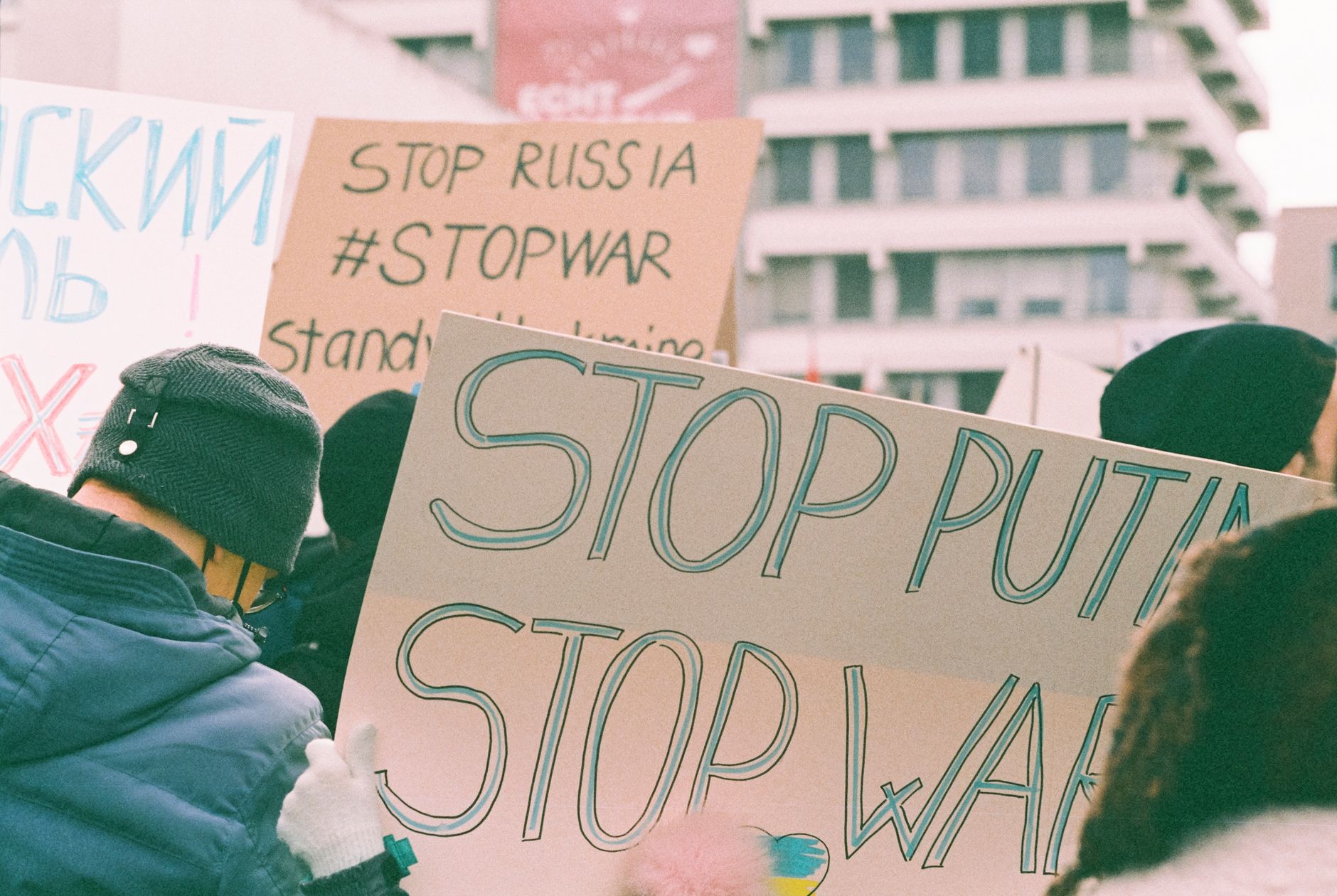
Putin’s side historic mistake is a statement made by Zelenskyy, emphasizing the grave consequences of U.S. support for Russia.
Zelenskyy’s Warning on U.S. Support
Ukrainian President Volodymyr Zelenskyy has issued a stark warning regarding the potential ramifications of U.S. support for Russia amid ongoing conflicts. He emphasized that aligning with Putin would constitute a historic mistake that could have dire consequences not just for Ukraine, but for global security.
Zelenskyy articulated his concerns during a recent press conference, stating that any perceived backing of Putin’s regime could embolden autocratic leaders worldwide. He urged the international community to recognize the risks associated with appeasing such powers.
In his remarks, he highlighted several key points:
- Global Stability: A shift in U.S. support could destabilize regions already facing turmoil.
- Democratic Values: The fight against tyranny is not just a Ukrainian issue; it is a battle for democratic principles everywhere.
- Historical Precedents: Past failures to confront authoritarianism have often led to larger conflicts.
Zelenskyy concluded by urging the U.S. to maintain its commitment to Ukraine, emphasizing that standing firm against Putin is essential to safeguarding freedom and democracy on a global scale.
The Implications of Choosing Sides
In a recent statement, Ukrainian President Volodymyr Zelenskyy emphasized the significant consequences of the United States potentially aligning with Russia, asserting that Putin’s side historic mistake would have far-reaching implications not only for Ukraine but for global democracy.
Zelenskyy articulated that such a decision could embolden authoritarian regimes worldwide, undermining international norms and values that support freedom and sovereignty. He warned that a shift in U.S. foreign policy could signal to other nations that aggression and territorial expansion are acceptable, destabilizing regions already fraught with tension.
Moreover, the Ukrainian leader pointed out specific areas that would be affected:
- Global Security: A shift in U.S. stance might encourage further military aggression from adversarial nations.
- Economic Stability: Nations may face increased economic uncertainty, leading to turmoil in vulnerable economies.
- Human Rights: An alignment with Russia could diminish efforts to uphold human rights standards worldwide.
Zelenskyy’s warning serves as a rallying cry for democratic nations to remain steadfast in their support for Ukraine, reminding them that the consequences of inaction could resonate far beyond Eastern Europe.
Understanding the Ukraine Conflict
The ongoing conflict in Ukraine, which began in 2014, has drawn the attention of the international community, highlighting the complexities of geopolitical alliances. Understanding the nuances of this situation is crucial, as the stakes are high for both Ukraine and its supporters, including the United States.
Ukrainian President Volodymyr Zelenskyy has frequently emphasized the importance of unwavering support from Western nations. He argues that any shift towards Putin’s side would not only undermine Ukraine’s sovereignty but also embolden authoritarian regimes worldwide. Zelenskyy’s warnings serve as a reminder of the potential consequences of inaction or misguided alliances.
Key factors contributing to the conflict include:
- Historical Tensions: The long-standing animosities between Russia and Ukraine have roots in cultural, political, and territorial disputes.
- International Intervention: The role of NATO and the European Union has been pivotal in shaping Ukraine’s response to Russian aggression.
- Economic Implications: The war has significant ramifications for global energy markets, particularly in Europe.
In light of these factors, Zelenskyy’s assertion that supporting Putin’s side would be a historic mistake resonates deeply within the context of international relations and security.
International Reactions to Zelenskyy’s Statement
International reactions to Ukrainian President Volodymyr Zelenskyy’s recent statement have been swift and varied, reflecting the heightened tensions surrounding the ongoing conflict in Ukraine. Many world leaders have expressed their support for Zelenskyy’s message, emphasizing the importance of unity against aggression.
European leaders highlighted the potential consequences of siding with Russia. German Chancellor Olaf Scholz stated that a decision to take Putin’s side would not only undermine democratic values but also embolden further aggression in Eastern Europe. Similarly, French President Emmanuel Macron warned that neglecting Ukraine’s sovereignty could lead to instability across the continent.
In contrast, some voices within international circles raised concerns over escalating military involvement. China’s foreign ministry called for dialogue and peaceful resolution, urging all parties to refrain from making what they described as “historic mistakes” that could exacerbate the conflict.
Analysts suggest that Zelenskyy’s remarks serve as a clarion call for the international community to remain vigilant. The phrase “Putin’s side historic mistake” resonates strongly, as leaders grapple with the implications of their choices in the face of ongoing geopolitical tensions.
Historical Context of U.S.-Russia Relations
The relationship between the U.S. and Russia has been fraught with tension and conflict for decades, marked by both cooperation and antagonism. Understanding this historical context is essential to grasp the implications of President Zelenskyy’s warning about the potential consequences of siding with Putin.
Since the Cold War, the dynamics of U.S.-Russia relations have evolved significantly. A few key moments include:
- The Cold War Era: A time characterized by ideological battles, military standoffs, and a nuclear arms race.
- The Fall of the Soviet Union: This event in 1991 shifted the geopolitical landscape, leading to a brief period of optimism in U.S.-Russia relations.
- The Post-9/11 Era: Initially marked by cooperation in combating terrorism, this phase soon deteriorated due to differing interests.
- Recent Conflicts: Events such as the annexation of Crimea and military involvement in Syria have further strained relations.
In this context, Zelenskyy’s assertion that siding with Putin would be a historic mistake serves as a reminder of the delicate balance in international relations and the potential fallout from miscalculations in judgment.
Public Opinion on U.S. Foreign Policy
Public opinion regarding U.S. foreign policy has become increasingly polarized, particularly in light of the ongoing conflict in Ukraine. As President Zelenskyy emphasizes the need for unwavering support, many Americans are questioning the implications of choosing sides. A growing number of voices argue that Putin’s side historic mistake should serve as a cautionary tale for U.S. policymakers.
Surveys indicate that while a significant portion of the population supports aiding Ukraine, there is a notable divide on how far that support should extend. Perspectives on military aid, sanctions against Russia, and diplomatic efforts vary widely:
- Support for Ukraine: Many believe that backing Ukraine is essential to uphold democracy and counter aggression.
- Concerns over escalation: Others fear that increased U.S. involvement could lead to further escalation of the conflict.
- Economic implications: Rising costs of living and inflation have led some to prioritize domestic issues over international conflicts.
As debates continue, experts warn that failing to recognize the stakes involved could result in significant repercussions for U.S. foreign policy and its global standing. Understanding these perspectives is crucial as the situation develops.
What Comes Next for Ukraine?
As the conflict in Ukraine continues to unfold, many are left pondering what comes next for the nation and its people. President Zelenskyy’s recent statements serve as a stark reminder of the potential consequences of global powers choosing sides in this conflict. His warning that taking Putin’s side would be a historic mistake resonates not only with Ukrainians but also with international observers.
In the wake of Zelenskyy’s remarks, several possible scenarios emerge for Ukraine:
- Continued Military Support: Should the U.S. and its allies maintain their support for Ukraine, the country may strengthen its defenses and reclaim occupied territories.
- Negotiated Peace: Another possibility is a renewed focus on diplomatic efforts, aiming for a ceasefire that could lead to a long-term resolution.
- Increased Tensions: Conversely, if external support wanes, Ukraine could face heightened military aggression from Russia, complicating the situation further.
The international community must tread carefully, as the choices made in the coming weeks will have lasting implications for Ukraine’s sovereignty and the broader geopolitical landscape. Zelenskyy’s warning emphasizes the urgency of making informed decisions that prioritize peace and stability.
As tensions escalate, many analysts believe that Putin’s side historic mistake could lead to unforeseen consequences for Russia’s future. Zelenskyy’s warning serves as a stark reminder of the potential fallout from Putin’s side historic mistake on global stability.
Photo by Markus Spiske on Pexels
References
You might also like
CJP leaders custody: Will they walk free today? · Vietnam basa fish: The Best Affordable Seafood Choice · Adobe NVIDIA AI alliance: Proven tools for creative speed