



The EU disinformation conference has been dropped, following a request from Trump officials, leading to significant debate over the implications for information integrity.
Background on the EU disinformation conference
The EU disinformation conference has become a focal point for discussions on the impact of misinformation in today’s digital landscape. Established to address the growing challenges posed by fake news and propaganda, the conference aimed to bring together policymakers, experts, and the public to develop strategies and solutions.
However, recent developments have raised concerns about the integrity of the event. Following pressure from Trump officials, the EU has decided to withdraw its sponsorship of the conference. Critics argue that this decision undermines the conference’s objectives and signals a troubling shift in how the EU addresses disinformation.
The decision has led to a backlash from various stakeholders who believe that combating disinformation is a critical issue that transcends political boundaries. They argue that the EU disinformation conference should remain a platform for open dialogue and collaboration among diverse voices.
Ultimately, the withdrawal of sponsorship may diminish the conference’s credibility and efficacy, leaving many to question the commitment of officials to tackle the pressing issue of disinformation in the digital age.
Reasons behind the drop
The recent decision by the European Union to withdraw sponsorship from the EU disinformation conference has raised eyebrows and sparked discussions about the motives behind this move. Several key factors contribute to the perception that this decision was ill-advised.
- Pressure from U.S. Officials: The request from Trump officials appears to have unduly influenced the EU’s stance, raising questions about the autonomy of European institutions.
- Impact on Credibility: By capitulating to external pressure, the EU risks undermining its commitment to combating misinformation, which is critical in today’s media landscape.
- Loss of Opportunity: The conference was an essential platform for addressing the challenges of disinformation, and its cancellation deprives stakeholders of a valuable dialogue.
- Public Perception: This decision may lead to public skepticism regarding the EU’s dedication to transparency and accountability, further complicating its relationship with citizens.
In conclusion, the withdrawal from the EU disinformation conference represents a significant setback for the EU’s efforts to tackle misinformation effectively.
Implications for political discourse
The recent decision by EU officials to withdraw sponsorship from the EU disinformation conference has raised significant concerns regarding the future of political discourse in Europe. This move is perceived not only as a capitulation to external pressures but also as a misstep that could undermine the integrity of democratic dialogue.
Several implications arise from this decision:
- Reduced Credibility: The EU’s withdrawal may lead to skepticism about its commitment to combating disinformation, potentially emboldening those who spread false narratives.
- Impact on Civil Society: By distancing itself from the conference, the EU risks alienating civil society organizations that play a crucial role in fostering informed discussions.
- Polarization of Opinions: Without a platform to address disinformation directly, political discourse may become more fragmented, fostering an environment where misinformation thrives.
- Challenges for Policymakers: Policymakers may find it increasingly difficult to navigate the complexities of disinformation without the collaborative insights that such conferences provide.
Ultimately, the implications of this decision could resonate far beyond the conference itself, shaping the landscape of political communication in Europe.
Responses from various stakeholders
Responses from various stakeholders regarding the EU disinformation conference have been mixed, reflecting the complexities of political maneuvering in the current climate. Many experts have voiced their concerns over the decision to drop sponsorship, emphasizing the potential impact on the integrity of information dissemination.
- Media Analysts: Several analysts argue that the EU disinformation conference was a vital platform for addressing misinformation and fostering dialogue among stakeholders. They believe that the withdrawal undermines efforts to counteract disinformation campaigns.
- Political Figures: Some politicians have praised the decision, claiming it reflects a move towards prioritizing national interests over external pressures. However, critics argue this stance could embolden disinformation actors.
- Academics: A number of scholars have expressed disappointment, stating that the decision sets a dangerous precedent for future discussions on disinformation. They emphasize the need for cooperation to combat the growing challenges.
In summary, the reactions highlight a deep divide on the importance of the EU disinformation conference and the broader implications for democratic discourse.
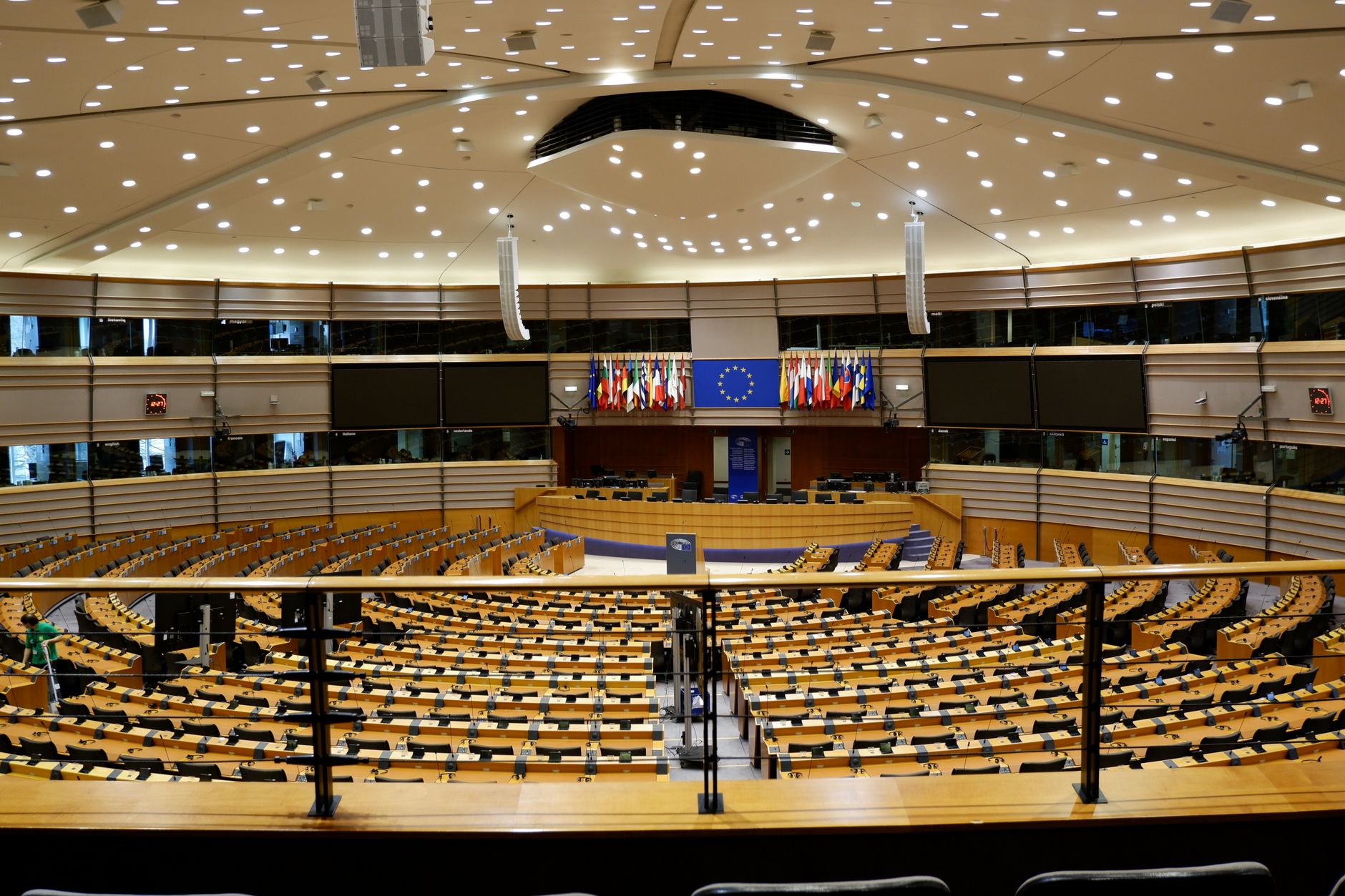
Photo by Jonas Horsch on Pexels